
The Lunar Return: Artemis Missions Seek to Recapture Moon Magic
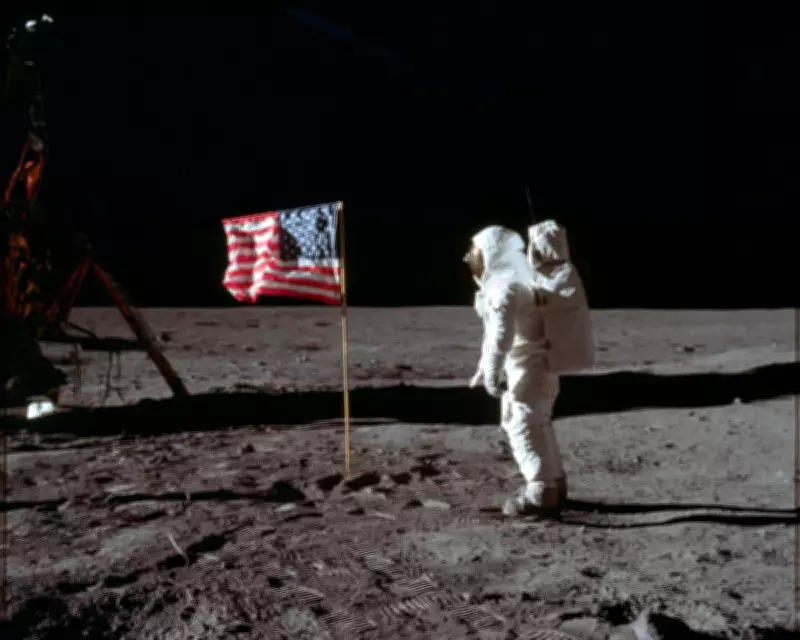
On July 21, 1969, Neil Armstrong descended from the Apollo 11 lunar module to deliver his immortal words: "That's one small step for man, one giant leap for mankind." This historic moment, occurring just 66 years after the Wright brothers' first flight, captivated hundreds of millions worldwide as humanity first touched another celestial body.
The Long Lunar Hiatus
Nearly 57 years have passed since that groundbreaking achievement, with no human returning to the lunar surface since Apollo 17's 1972 mission. This week marks a potential turning point as NASA prepares to launch Artemis II, sending four astronauts on a 10-day orbital journey around our celestial neighbor.
The Artemis II mission represents a significant step forward, though it won't include a lunar landing. That milestone awaits Artemis IV, still several years in development. The current crew will complete a circumlunar trajectory, testing systems and procedures for future surface missions.
Recapturing Lunar Fever
The original Apollo missions unfolded during the Cold War's peak, with the space race serving as a proxy battle between superpowers. President John F. Kennedy framed the lunar challenge in 1962 as embracing difficult tasks precisely because they were hard, tapping into humanity's fundamental drive to explore and compete.
Today's political landscape lacks that same urgency. NASA's objectives have oscillated between moon and Mars targets with each administration change. The Trump administration's 2017 refocus on lunar missions came with vague justifications about American leadership and economic development, lacking Kennedy's inspirational rhetoric.
Modern Challenges and Controversies
NASA initially highlighted Artemis's historic diversity, noting it would feature the first Black astronaut (Victor Glover) and first female astronaut (Christina Koch) to reach lunar proximity. However, political pressures led to the removal of these acknowledgments from official materials, reflecting contemporary cultural tensions.
The fundamental challenge remains: you cannot achieve "firsts" twice. Artemis missions will inevitably lack the world-historical significance of Apollo 11's initial breakthrough. An Artemis II orbital mission replicates what Apollo 8 accomplished in 1968, while any future landing would represent the seventh human visit rather than the pioneering first.
The Moon's Enduring Cultural Power
Despite these challenges, the moon maintains profound cultural resonance. From Neolithic artifacts to Romantic paintings, surrealist works, and musical compositions spanning Beethoven to contemporary artists, our celestial companion has inspired humanity for millennia.
This enduring fascination explains why lunar landing conspiracy theories emerged almost immediately after Apollo missions concluded. The psychological leap from symbolic object to physical destination proved so dramatic that some found fabrication more plausible than engineering achievement.
Scientific Legacy and Future Discoveries
Our understanding of the moon has evolved dramatically through exploration. Galileo's 17th-century sketches revealed its cratered surface, while 1959 Soviet probes first captured its far side. The 22 kilograms of lunar rocks returned by Apollo 11 provided crucial evidence supporting the collision theory of the moon's formation.
Original astronauts offered surprisingly nuanced perspectives on their experiences. Buzz Aldrin described Tranquility Base as "magnificent desolation," while Michael Collins perceived the moon as "almost a hostile place, a scary place." These reflections contrast with public celebrations and ticker-tape parades that greeted returning heroes.
Artemis Crew's Potential Impact
The Artemis II crew—Christina Koch, Victor Glover, Reid Wiseman, and Jeremy Hansen—may provide fresh perspectives when they view the moon from close proximity. Their experiences could reignite public interest, though likely not matching 1960s-scale lunar fever.
While future Mars missions or uncrewed probes to Jupiter's moons might generate greater excitement through potential discoveries of extraterrestrial life, the moon retains unique gravitational pull on human imagination. As Jorge Luis Borges observed in 1976: "Look at her. She is your mirror."
The Artemis program faces the complex task of balancing scientific objectives, political realities, and public engagement in an era of fragmented attention. Whether it can spark renewed lunar fascination remains uncertain, but the moon's enduring mystery ensures humanity will continue looking upward, seeking both scientific understanding and poetic inspiration from our closest celestial companion.




