
Meta Introduces AI-Powered Digital Clone of Mark Zuckerberg for Staff Communication
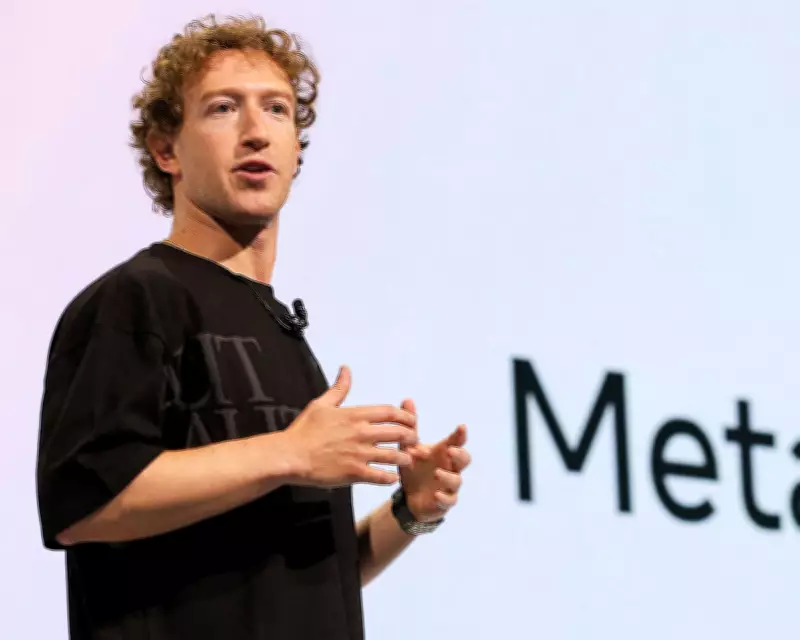
Meta, the parent company of Facebook and Instagram, is reportedly developing an artificial intelligence version of its founder and chief executive, Mark Zuckerberg, designed to interact with employees. This innovative project aims to create a digital avatar that can answer queries and foster a sense of connection among the company's 79,000 workers.
Training the AI on Zuckerberg's Characteristics
The AI clone is being meticulously trained on various aspects of Zuckerberg's persona, including his tone, mannerisms, public statements, and strategic thoughts. According to sources cited by the Financial Times, this initiative is intended to make employees feel more engaged with one of Silicon Valley's most influential leaders. A person familiar with the project revealed that the character will utilize images and voice recordings of Zuckerberg to enhance realism.
Historical Context and Technological Evolution
Mark Zuckerberg has a history of experimenting with digital representations of himself. In 2022, he shared an avatar within his metaverse concept, which faced public criticism for its graphical quality, prompting an upgraded version later. While Meta has scaled back its broader metaverse ambitions, it has shifted focus towards AI-generated 3D characters capable of everyday conversations. The 41-year-old executive, with a net worth exceeding $220 billion, is actively involved in training this animated AI.
Industry experts, such as those from Synthesia, a UK-based startup valued at $4 billion, note that using AI for executive presence is no longer science fiction. A spokesperson emphasized that realistic AI video and voice can significantly boost engagement and retention, as people respond better to familiar faces and voices.
Broader AI Integration and Corporate Strategy
This move is part of Meta's company-wide effort to invest heavily in AI to remain competitive with tech rivals. Zuckerberg is overseeing multi-billion dollar investments aimed at achieving "superintelligence," systems that outperform humans in cognitive tasks. Recently, Meta launched Muse Spark, an advanced AI model praised for language and visual understanding, though it lags in coding and abstract reasoning.
Internally, Meta is integrating AI to streamline operations, reduce costs, and accelerate work pace. Zuckerberg has advocated for flattening teams and elevating individual contributors to enhance efficiency. Additionally, a "CEO agent" AI system is being developed to help him prepare for meetings and access company information faster, as reported by the Wall Street Journal.
Legal and Social Challenges
Meta faces ongoing legal and social scrutiny. Last month, a New Mexico jury ordered the company to pay $375 million in civil penalties for misleading consumers about platform safety and enabling harms like child sexual exploitation. In a separate case, a California court found Meta responsible for making Instagram addictive, leading to harm for a young user. Political figures, including Keir Starmer, have called for action against addictive scrolling mechanisms on platforms like Instagram and TikTok, with potential bans for under-16s being considered in Britain.
Meta has not commented on these developments, but the AI Zuckerberg project highlights the company's ambitious push into artificial intelligence amidst a complex regulatory and social landscape.




