
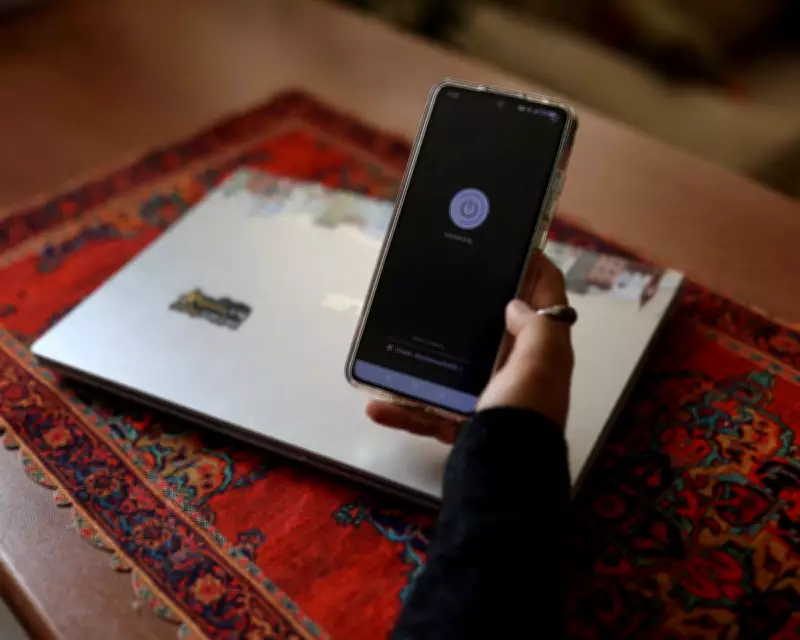
Iran has entered a critical phase of digital isolation, with authorities implementing a nationwide internet blackout that has now surpassed all previous records in duration since the Arab Spring uprisings. This unprecedented shutdown, which began on April 5, 2026, has effectively severed most of the country's online connectivity, impacting millions of citizens and businesses.
Unprecedented Scale and Duration
The current blackout represents the most extensive and prolonged internet disruption Iran has witnessed in over a decade. According to digital rights monitors, the shutdown has exceeded the duration of previous incidents during periods of political unrest, including those in 2019 and 2022. The scale of this disruption is comprehensive, affecting both mobile data networks and fixed-line broadband services across urban and rural areas.
Impact on Daily Life and Economy
The consequences of this digital blackout are far-reaching and multifaceted. Essential services that rely on internet connectivity, including banking, healthcare communications, and educational platforms, have been severely disrupted. Small businesses and tech startups, which form a growing segment of Iran's economy, face operational paralysis without access to cloud services, payment gateways, and communication tools.
Social media platforms, messaging applications, and news websites remain largely inaccessible, creating an information vacuum that has raised concerns among human rights organizations. The blackout has particularly affected journalists, activists, and ordinary citizens attempting to share information about current events within the country.
Global Reactions and Technical Analysis
International observers have documented the technical mechanisms behind the shutdown, noting that Iranian authorities have implemented a combination of bandwidth throttling, DNS manipulation, and complete disconnection of international gateways. This sophisticated approach makes circumvention through virtual private networks (VPNs) increasingly difficult for the average user.
Historical Context and Future Implications
The current shutdown's duration now exceeds that of internet disruptions during the 2011 Arab Spring, when several Middle Eastern nations implemented temporary blackouts amid political upheaval. Digital rights advocates warn that prolonged internet shutdowns set dangerous precedents for governmental control over information flow and could inspire similar actions in other nations facing political challenges.
As the blackout continues, questions mount about its eventual resolution and the potential long-term effects on Iran's digital infrastructure and international relations. The situation highlights the growing tension between national security concerns and fundamental digital rights in an increasingly connected world.




