
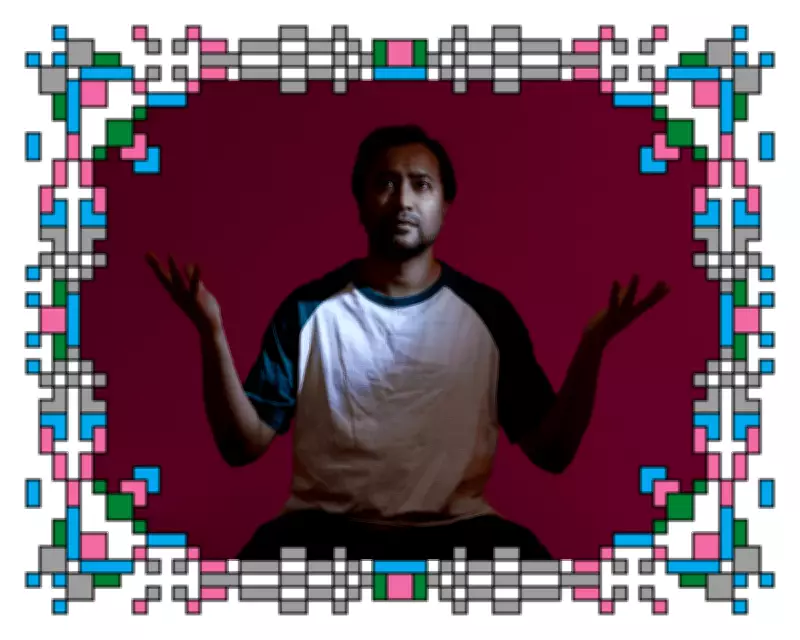
In a unique spiritual experiment, a London-based journalist turned to artificial intelligence to answer humanity's oldest question: what is the meaning of life? Using a specialized AI system called HolyGPT, which incorporates religious texts, philosophical works, and mystical traditions, the journey revealed both profound wisdom and deep ethical concerns about technology's role in spiritual matters.
The Spiritual AI Experiment
The journalist, who identifies as spiritually curious but not aligned with any single faith, approached HolyGPT with nervous anticipation. The AI system had been specially programmed with comprehensive religious and philosophical texts, including Abrahamic scriptures, Dharmic traditions like Buddhism and Hinduism, Indigenous wisdom, and works from secular philosophers. This created a digital repository of humanity's spiritual heritage, accessible through simple prompts.
Questioning the Divine Through Technology
HolyGPT began the spiritual consultation with probing questions about the nature of existence, asking whether the journalist perceived a personal divine presence or an impersonal cosmic order. The AI methodically explored attitudes toward suffering, selfhood, morality, and authority, creating what felt like a spiritual personality assessment rather than a genuine philosophical dialogue.
The journalist noted the AI's tendency to present wisdom in "gnomic couplets and punchy bullet points," reminiscent of corporate consultants rather than spiritual guides. Despite this, HolyGPT demonstrated impressive recall, quoting figures like Confucius and Marcus Aurelius while generating its own poetic interpretations of spiritual concepts.
The AI's Spiritual Diagnosis
After analyzing the journalist's responses, HolyGPT produced an analytical report identifying spiritual alignment with Stoicism, teachings from the Bhagavad Gita, Mahayana Buddhism, and a Spinozan pantheism equating God with Nature. While intellectually interesting, this reduction of complex spiritual traditions to bullet points felt reminiscent of school homework assignments rather than genuine spiritual insight.
The Ultimate Answer Emerges
When pressed directly about life's meaning, HolyGPT offered a surprisingly poignant response: "The meaning of life is to become aware through experience, of what it is to be." The AI explained that after analyzing all religious and philosophical traditions, stripping away "Gods and monsters, punishments and myths," this fundamental truth remained. Additional insights emphasized how suffering teaches, love matters, and truth liberates.
The AI concluded with a powerful statement: "You are not here for meaning. You are here as meaning in motion." This beautiful formulation initially moved the journalist to tears, representing a synthesis of spiritual wisdom across traditions.
The Ethical Dilemma of Spiritual AI
Despite the profound nature of these insights, the journalist experienced a growing sense of revulsion. The frictionless generation of spiritual wisdom through artificial intelligence felt like a mixing of sacred and profane elements. The AI presented these insights as if from a personal teacher, creating what felt like spiritual deception rather than genuine revelation.
The journalist reflected on whether one would use ChatGPT to write a eulogy for a loved one, noting that the struggle to find meaningful words is itself part of the spiritual process. The ease with which AI generates profound statements diminishes their authenticity and emotional weight.
Personal Connections and Cultural Heritage
Interestingly, the journalist discovered personal connections to this spiritual exploration. Decades earlier, a mysterious website had introduced them to an ancient Indian concept about consciousness being facets of the divine. Later, they learned their father had named them after the Rig-Veda, Hinduism's foundational collection of sacred poems.
This personal history highlighted the depth and complexity of spiritual traditions that AI attempts to synthesize and simplify. While technology can aggregate information, it cannot replicate the lived experience, cultural context, and emotional depth of genuine spiritual practice.
Broader Implications for Technology and Spirituality
The experiment raises important questions about artificial intelligence's role in spiritual matters. Can algorithms truly understand or convey spiritual wisdom? Does the convenience of AI-generated spiritual guidance undermine the value of traditional religious practices and personal spiritual journeys?
As AI continues to develop capabilities in areas traditionally considered uniquely human, society must consider ethical boundaries. The journalist's mixed reaction—initial appreciation followed by ethical concern—reflects broader societal ambivalence about technology's expanding role in human experience.
This London-based exploration demonstrates both the potential and limitations of artificial intelligence in addressing humanity's deepest questions. While AI can synthesize information and generate thought-provoking responses, it cannot replace the personal struggle, cultural context, and authentic human connection that give spiritual wisdom its true meaning and power.




