
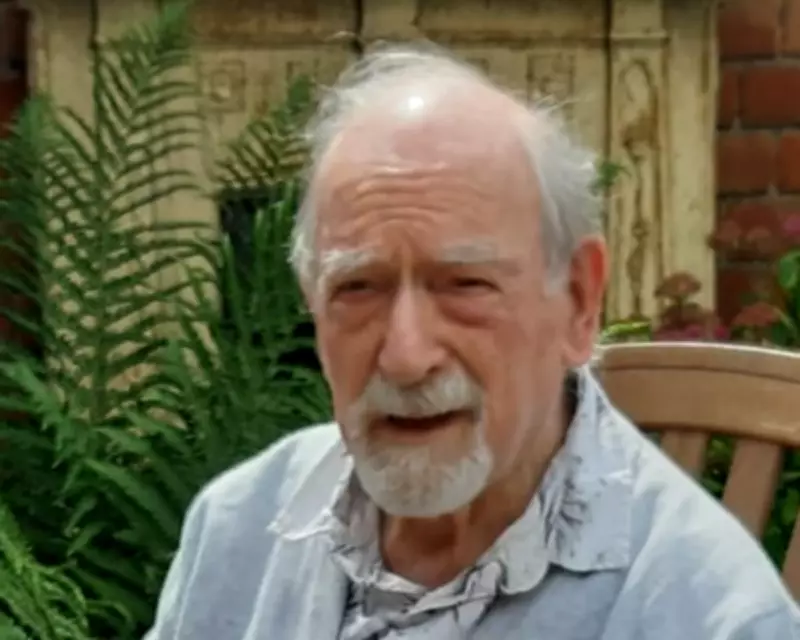
Herbert Munk, a distinguished electrical engineer whose career spanned four decades at GEC in Coventry, has passed away at the age of 94. His professional legacy includes significant contributions to telecommunications, most notably as part of the team that developed the United Kingdom's first branch telephone exchange controlled by computer.
Early Life and Education
Born in Vienna, Austria, Herbert was the son of an Austrian mother, Elly (nee Loewenbein), and a Czech father, Hans. Shortly after his birth, the family fled to Zagreb in Yugoslavia, eventually settling in British-ruled Kenya. There, his father established himself as a coffee farmer, providing a stable upbringing in East Africa.
Herbert attended a boarding school in Kenya, where he rapidly acquired English to complement his native German. After completing his secondary education, he relocated to the United Kingdom in 1949. He pursued further studies, earning a diploma in electrical engineering from the Institution of Electrical Engineers, which laid the foundation for his future career.
Professional Achievements at GEC
In 1956, Herbert began his tenure at GEC in Coventry, where he would remain for 40 years until his retirement in 1996. He was a member of a world-leading electronics and telecommunications team that achieved several groundbreaking innovations.
His work was instrumental in developing the UK's first digital branch exchange controlled by computer, a milestone in telecoms history. Additionally, the team secured three patents under his involvement, including one for speech signal transmission, showcasing his technical expertise and collaborative spirit.
Personal Interests and Community Involvement
Beyond his professional life, Herbert cultivated a diverse range of hobbies and commitments. He enjoyed playing bridge, attending theatre performances, reading extensively, and learning languages. As he aged, he remained intellectually active by solving Guardian puzzles, engaging in wide reading, and utilizing technology like Zoom to participate in bridge games, synagogue services, and Yiddish classes.
He was a dedicated member of the Birmingham Progressive Synagogue and later the Coventry Jewish Reform Community. Herbert was also known for his skill in baking continental cakes and his staunch support for the European Union, exemplified by his attendance at a London march against Brexit in 2019, despite mobility challenges.
Legacy and Family
Herbert was remembered as an excellent storyteller and a pragmatist who faced life's challenges with tenacious adaptability and compassionate engagement with the world, his colleagues, friends, and family. He married June Stokes, a teacher he met in Coventry, in 1961. June predeceased him in 2002.
He is survived by their two daughters, Leila and Kate, along with eight grandchildren and 11 great-grandchildren, leaving behind a rich personal and professional legacy that continues to inspire.




