
New AI-powered film studios are emerging in Hollywood, offering cheaper production and creative freedom, but raising concerns about job displacement and industry impact.
Promise Studio's AI-Enabled Horror Film
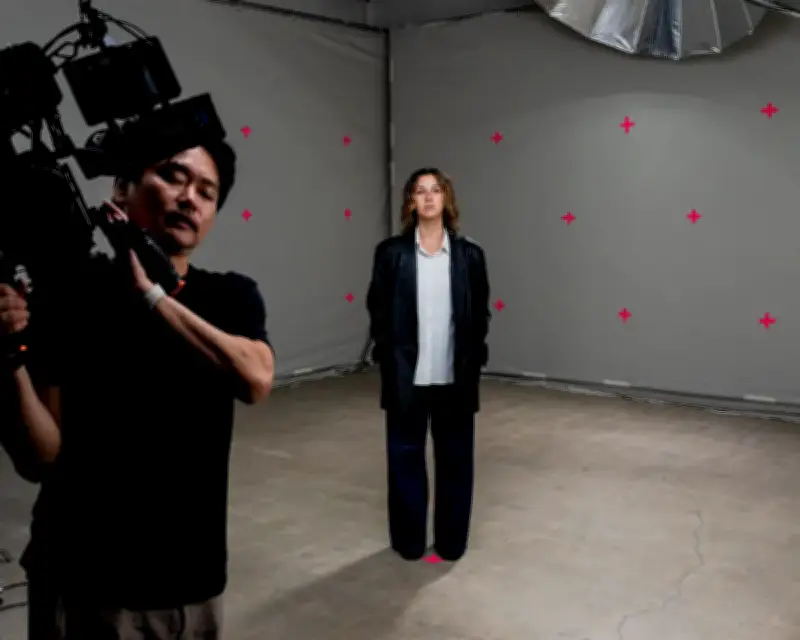
At Promise, a new studio backed by Google, venture capitalists, and Disney, a human actor, Tori Thomas, filmed scenes for the AI-enabled horror film Touch Grass with a budget in the low millions of dollars. The production used a Chinese AI model, Seedance 2.5, to generate backgrounds in real time, allowing for instant scene changes and reduced production times.
The studio's setup is modest, with a corner of an office hung with white sheets, but the technology allowed Thomas to see the AI-generated meadow or cavern on a monitor as she acted, making the experience immersive.
Industry Embrace and Criticism
Promise is part of a growing trend. Netflix reported using AI in 300 of its 1,000 titles in 2026. Director Ron Howard is set to release an AI-enabled animated documentary about Vietnam POWs, working with Obsidian, another AI studio. Brad Pitt noted that AI could help mid-budget films ($40m-$90m) get made.
However, critics like director Christopher Nolan have expressed public suspicion, and actors like Emily Blunt have called AI actors 'really, really scary.' The US actors' union Sag-Aftra has also raised concerns.
Cost Savings and Creative Potential
George Strompolos, CEO of Promise, estimates hybrid AI films could be 20% to 50% cheaper than conventional production. Obsidian's executive producer D Ryan Reeb cited 30% to 40% cost savings, noting that 'everyone's doing it but nobody wants to talk about it.'
Filmmaker Kavan Cardoza, who runs Phantom X studio, has gained 28 million YouTube views for his AI-generated fantasy series and believes AI enables a creative renaissance similar to the 1990s indie boom. He praised Chinese AI models, which he says are 'smoking everybody on everything,' and opposed potential US restrictions on Chinese open-source models, jokingly threatening to move to China.




