Damaged Russian LNG Tanker Enters Libyan Waters Amid Ecological Disaster Fears
A severely damaged Russian tanker transporting liquefied natural gas has drifted into Libyan territorial waters, escalating fears of a potential ecological catastrophe in the Mediterranean Sea. The vessel, identified as the Arctic Metagaz, was part of Russia's so-called "shadow fleet" used to evade sanctions imposed after the country's full-scale invasion of Ukraine in February 2022.
Suspected Drone Attack Leaves Tanker with Massive Hole
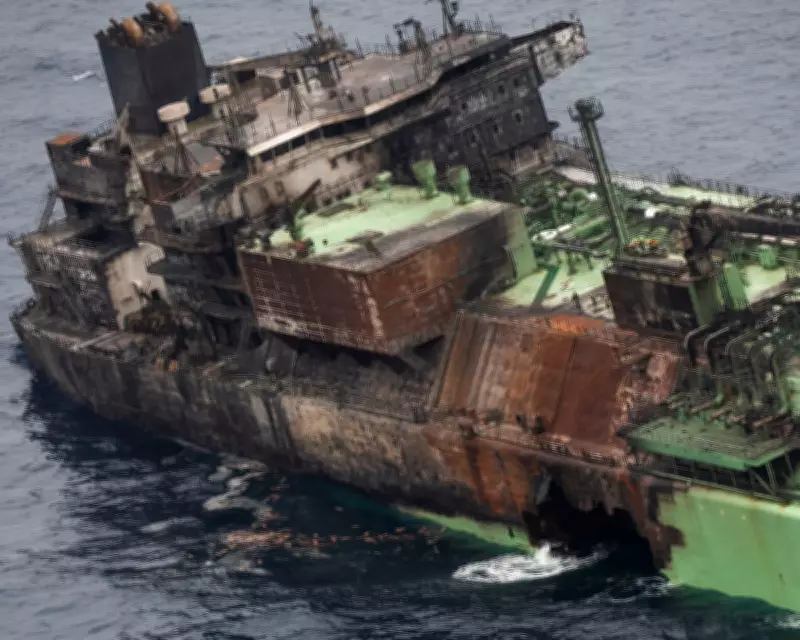
The Arctic Metagaz sustained significant damage earlier this month from what authorities suspect was a drone attack near Maltese waters. The assault left the tanker with a huge hole in its structure, compromising its integrity and navigation capabilities. Fortunately, the crew members were successfully rescued in operations conducted between Malta and Libya, preventing any immediate human casualties.
For approximately two weeks, the damaged vessel has been adrift in the Mediterranean, creating mounting anxiety among European nations about environmental safety. The tanker had been carrying LNG from the Arctic port of Murmansk before the incident occurred, adding to the complexity of the situation.

European Nations Issue Joint Warning to EU Commission
Earlier this week, as the tanker drifted between Malta and the Sicilian island of Lampedusa, six European governments took coordinated action. Italy, France, Malta, Spain, Greece, and Cyprus jointly wrote to European Commission President Ursula von der Leyen, expressing grave concerns about the vessel posing what they described as an "imminent and serious risk of a major ecological disaster."
The Italian civil protection agency, which has been closely monitoring the situation, confirmed on Wednesday that the Arctic Metagaz has now entered Libya's territorial waters. This development transfers primary responsibility for managing the crisis to Libyan authorities, though international cooperation continues to be crucial.
Libyan Authorities Issue Navigation Advisory
In response to the tanker's presence in its waters, Libya issued a navigation advisory on Wednesday to all vessels operating in the affected area. The warning urged maximum caution due to rough sea conditions currently prevailing in the region, according to reports from the Italian press.
A spokesperson for Italy's civil protection agency emphasized that while no leaks have been detected so far, the fundamental risk remains the "dispersion into the sea of the hydrocarbons onboard." The official clarified the specific dangers: "There are about 90 tonnes of heavy oil or diesel onboard, so we are more certain of this risk. The other danger is related to the gas that the tanker was transporting. We are less certain about its quantity, but there could be gas dispersion."
Russian Response and Conflicting Claims
Russia's foreign ministry has acknowledged that the Arctic Metagaz is adrift in the Mediterranean, stating that Moscow's involvement in resolving the situation would depend on "concrete circumstances." Meanwhile, Russia's transport ministry has made claims that the vessel was attacked by Ukrainian naval drones launched from the Libyan coast, though these allegations remain unverified by independent sources.
The incident highlights the ongoing geopolitical tensions in the region and the environmental vulnerabilities created by conflict-related disruptions to maritime transport. As the damaged tanker remains in Libyan waters, international attention focuses on preventing what could become a significant ecological disaster affecting Mediterranean marine ecosystems and coastal communities.