Oil Tanker Crews Stranded in Gulf Face Mental Health Crisis After Six Weeks
After six weeks stranded in the Gulf, one of the 20,000 seafarers trapped by Iran's chokehold on the Strait of Hormuz is reaching their absolute limit. The oil tanker worker, who first spoke to media outlets a month ago, revealed that any hope of soon being free to leave has completely evaporated, if it ever felt real at all.
'Impossible' Situation for Stranded Seafarers
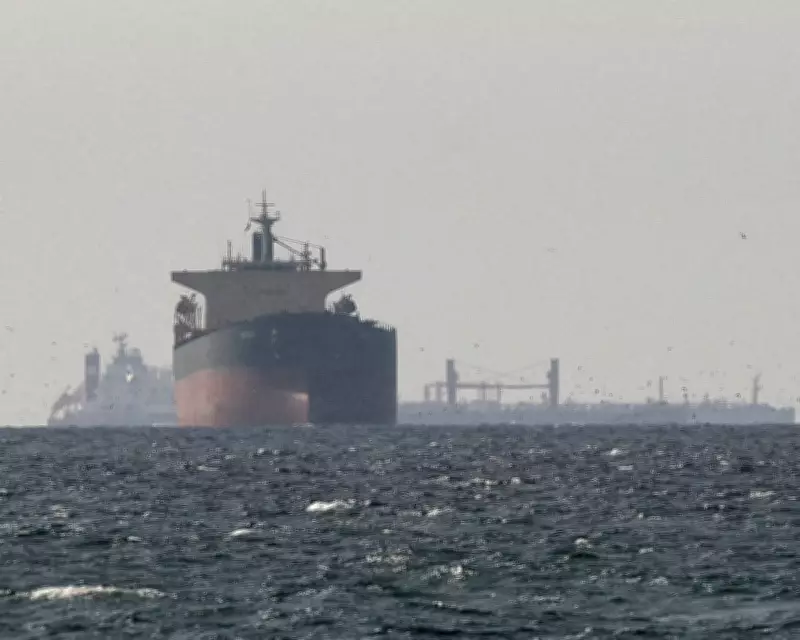
'You can try to minimise the impact that this situation has on your mental health but it's becoming impossible,' said the crew member, one of hundreds anchored off the coast of the United Arab Emirates with a clear view of the loaded Kuwaiti oil tanker set ablaze by an Iranian missile less than a fortnight ago.
'We're at anchor, near dozens of loaded tankers. No one has moved an inch,' the seafarer explained. Within hours of the fragile Middle East ceasefire being agreed, the tell-tale plumes of intercepted missiles streaked the sky above their vessels. After a month and a half of drone attacks and reports of underwater mines, many seafarers feel both unwilling and unable to traverse the strait - even if the ceasefire theoretically allowed them to do so.

Overwhelming Majority Refuse to Sail Through Danger Zone
'I gave my notice exactly one month ago,' the seafarer stated firmly. 'I've informed the master, I'm not willing to sail through the strait. It's about safety, it's all about safety.' Aboard the same tanker, most of the crew share this sentiment, with about 90% of those on board wanting to exercise their right to refuse to sail through the hazardous conflict zone.
The psychological toll has become devastatingly apparent. One crew member has suffered what colleagues describe as a 'mental breakdown' and is being checked on regularly by fellow seafarers. 'I've no doubt that this particular issue, this mental breakdown, is happening on tankers all around us from the stress of this situation,' the worker revealed. 'Seafarer support phone lines are trying to help, but from the beginning we have all known that it would not be enough.'
International Response and Union Involvement
Since the start of the conflict, the International Transport Workers' Federation has received approximately 1,000 inquiries from seafarers on 300 different vessels. About 20% of these contacts were from those seeking repatriation, while other concerns focused on pay issues or access to essential supplies like fuel, food and water.
After the recent attack on Kuwait's Al-Salmi oil tanker just a few miles away, the stranded seafarer called a helpline for the very first time. 'I was a bit overwhelmed and I wasn't sure if I could handle how I was feeling,' they admitted. 'It's important to me that others don't see me cry. It did help, just to vent out all the feelings to a stranger.'
Limited Effectiveness of Remote Support
However, there is only so much that advice and reassurance from a distance can accomplish, according to David Appleton, a senior leader at Nautilus, which represents ship staff. 'Everyone does their best to assist, but really what you want to do is get people out of the situation,' he emphasized.
'In addition to the mental toll that the threat of violence takes on people - the fact that you're sitting there almost as a sitting duck - there is also the uncertainty, and not knowing how long it's going to go on,' Appleton added, highlighting the compounding psychological pressures facing the stranded crews.
Crew Replacement Challenges and Economic Realities
The deteriorating mental health of those aboard stranded tankers has reignited calls for shipowners to replace their crews with mariners willing to offer relief. Under maritime regulations, shipping companies cannot force seafarers to work in hazardous zones, but there will inevitably be those desperate enough to take up the dangerous work.
'Most of our potential relievers are Ukrainian seafarers; the ones who are away from their homes, spending money in foreign European countries because they can't go back home,' the stranded worker explained. Shipping companies are required to offer double pay to crew working in hazardous areas and typically seek those interested in promotion or who have been ashore the longest and need the work most urgently.

'The only difference between them and us is choice,' the seafarer reflected. 'At least they will be making a choice to come here, regardless of why they choose to do so.'
Uncertain Future for Veteran Seafarers
The stranded crew hopes that within the coming weeks their tanker will be taken to anchorage to allow new crew to take the places of those unwilling or unable to carry on. 'The captain had an informal conversation with our crew manager, who was trying to get the crew to stay aboard until we reach the discharge port but he immediately shut that down,' they reported.
'I'm in no mental condition to perform any intense task after all of this. It is the hardest situation that I have ever been in,' the worker confessed. There remains no guarantee they will ever return to maritime work. 'I have worked on tankers all my life. To go, means letting go of all I've accomplished. But to stay in this work, means there is a chance that I'll have to return here eventually.'
The seafarer concluded with poignant uncertainty: 'I will only be able to make that decision after a few months of being off this tanker. At home.'