The number of active wedding-related businesses in the UK has dropped for the first time since records began, according to analysis by international business database companydata.com. The total number of wedding planners has declined for the first time since 2010, with 150 closing so far this year, a drop of almost 5%.
The UK currently hosts 6,720 wedding businesses, comprising 2,990 wedding planners and 3,730 bridal shops. While the number of planners has fallen, bridal retail has not added a single new shop this year.
Royal weddings drove a decade of growth
The decline marks a sharp contrast to the boom years between 2010 and 2025, when the UK wedding trade more than tripled from 2,183 to 6,870 businesses. Wedding planning alone grew 3.6-fold, from 871 firms to 3,140. However, the engine behind that growth has been steadily losing power for seven years.

In 2018, the sector's record year, 675 businesses were added. By 2025, that net gain had shrunk to just 34, a decline of 95%. The growth curve tracks the national mood with uncanny precision, with the two strongest years coinciding with Britain's two royal weddings.
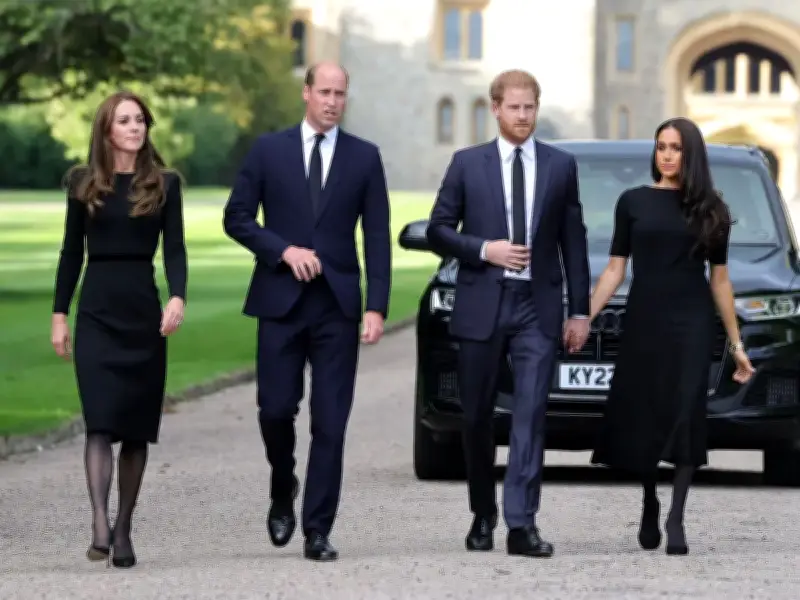
In 2011, the year Prince William married Kate Middleton, the number of wedding businesses jumped by 578. Bridal shops increased by 331 in a single year, the strongest growth the sector had seen. The record was broken in 2018, when Harry and Meghan married at Windsor, with 329 new wedding planners and 346 new bridal shops, a combined 675.
Steady decline since 2019
Net growth fell to 230 in 2019, before the pandemic had even begun, and has declined every year since. The figures show net growth falling to 162 in 2020, 125 in 2021, 123 in 2022, 112 in 2023, 85 in 2024 and 34 in 2025.
Marriages and civil partnerships in England and Wales fell 8.6% in 2023 to 231,949, according to the Office for National Statistics (ONS), returning to a long-term decline that stretches back to the 1970s. Couples who do marry are spending around £21,000 to £22,000, according to Bridebook and Hitched, but are inviting fewer guests.
The average wedding now hosts 80 people, with 11% fewer reception guests than in 2024. Despite slashing the guest list, more than half of couples (56%) went over budget on their nuptials last year.
Bridal retail hit hardest
The figures reveal bridal retail is feeling the squeeze most acutely. Between 2010 and 2018, the number of bridal shops grew by an average of 256 a year. Since 2021, the annual gain has hovered around 40, and in 2026 it stopped altogether at 3,730.
The stagnation fits a wider picture of high street distress. 11,341 independent shops closed across the UK in 2024, up 46% on the year before, according to the Centre for Retail Research. Long-established bridal boutiques have announced closing-down sales this year.
Despite the slowdown, the UK remains the bridal capital of Europe with 3,730 bridalwear retailers, nearly twice as many as Germany (1,961). This is well ahead of Italy (1,452), France (1,218) and Spain (415). Only the United States counts more, with 8,540.
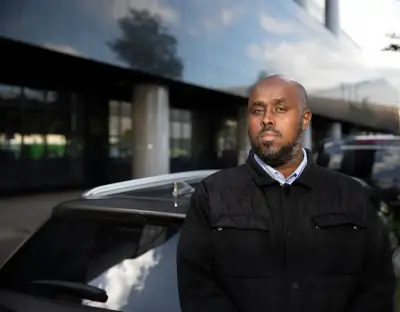
Teun Ebbes, retail data expert at companydata.com, said: "For 15 years the UK wedding trade only knew one direction. What we see now isn't a crash, but a market that's reached saturation at the same moment its customers are marrying less and spending more carefully. Existing businesses are holding on, but new ones are no longer coming in."