Uber drivers from the UK, the Netherlands, and other European countries have filed a landmark class action lawsuit against the ride-hailing giant, alleging that its AI-powered pay-setting system violates data protection laws and systematically reduces their earnings. The claim, lodged at Amsterdam's district court—where the $150bn (£111bn) San Francisco-based company has its European headquarters—could result in billions of dollars in compensation. This marks the first collective legal action of its kind, according to the European Trade Union Confederation.
Drivers describe 'constant fear' of algorithm
Drivers involved in the case say they live in "constant fear" of a "soulless" algorithm that determines their pay and allocates jobs. The system, described as a "black box," uses data collected about each driver to set a personalised rate for every ride. Drivers allege that the algorithm pushes fares down to the minimum they are willing to accept, exploiting their financial vulnerabilities.
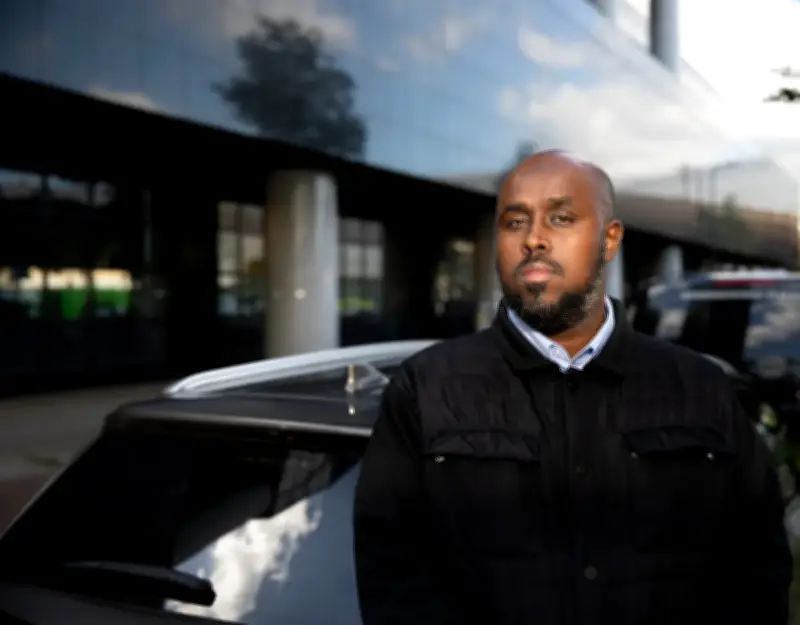
Mohammed Shirwa, a 41-year-old Uber driver from Rotterdam, told the Guardian: "It is like someone watching you all the time and knowing about your weakness – the boss is the algorithm. All the time the algorithm is learning about you and what you are willing to accept. So the prices go low but you are stuck. It knows you need the job."
Concrete examples of pay discrepancies
Kola Oba, a 48-year-old driver from Tottenham, north London, described how he and a colleague were offered the same job at different rates: the other driver was offered £27, while Oba was offered £23. The pair suspected the difference was because Oba had accepted several cheap jobs previously, leading the AI to assume he would accept a lower price. Oba called the algorithm "soulless" and said, "It's scary – they have all my information and they are using it against my own wellbeing. It defines how much I earn, how long I have to work, my time with my family, my resting time."
Uber has previously attributed such discrepancies to other features of its system, including GPS, surge pricing, promotions, and testing. The company also stated that it does not adjust trip prices based on an individual driver's behaviour, nor does it use a history of accepting or rejecting trips to personalise pay offers. Instead, it claims that dynamic pricing allows it to increase pay on less attractive trips, boosting drivers' earning potential.
Legal and regulatory context
The lawsuit, led by the Worker Info Exchange (WIE), a campaign group whose founder James Farrar secured a UK Supreme Court ruling granting Uber drivers worker rights, relates to approximately 241,000 drivers across the EU and the UK. It alleges that Uber has unlawfully used automated decision-making, including profiling, to set pay and allocate work, and that it used driver data to train its AI models without proper consent. The claim seeks damages for affected drivers and an injunction to halt the practices, which it argues breach GDPR data protection regulations.
The drivers claim that Uber has operated dynamic pay-setting in the UK since 2023, reducing their annual incomes by about £5,000 each. The system was introduced in the Netherlands this year. A 2025 study by academics at the University of Oxford found substantial cuts in driver earnings after the "dynamic" algorithm was introduced, though Uber said the study relied on incomplete and selective data.
In a separate development, the Dutch data protection authority fined Uber €825m (£708m) last month for deactivating driver accounts through automated systems without adequate notice. Uber has said it will appeal. The company is also planning to roll out driverless cars in European cities, from London to Zagreb, initially with human supervision.
Uber's response and next steps
Uber's chief executive, Dara Khosrowshahi, said in 2023: "I think that what we can do better is targeting of different trips to different drivers based on their preferences or based on behavioural patterns that they're showing us." However, an Uber spokesperson said: "While we haven't seen the claim yet, we categorically reject the allegations. The Uber app uses real-time information about the trip such as journey, duration and destination to calculate fares. Drivers see their earnings and where a trip is going before they decide whether to accept it. The vast majority of total fares continue to go where they belong: into drivers' pockets, and the percentage that Uber keeps from fares has remained relatively flat."
James Farrar of WIE said: "It's bad enough that Uber's dynamic pay algorithms have squeezed driver pay for years now but the intrusive and underhanded way in which Uber uses its technology to monitor and influence drivers' behaviour is an affront to their dignity as workers and as human beings." Anton Ekker, the Dutch lawyer leading the case, added: "A computer algorithm should not independently make decisions that strip individuals of their livelihood. Like so many other online platforms, it should be held accountable for the large-scale exploitation of vulnerabilities of European citizens." The case is now set to proceed in Amsterdam, with potential implications for how AI is used in gig economy platforms across Europe.