UK Retail Sales Experience February Decline Amid Supermarket Spending Reduction
Retail sales across the United Kingdom experienced a notable decline during February, as diminished spending in food and household goods stores failed to counterbalance the robust performance demonstrated by online sellers. According to the latest data released by the Office for National Statistics (ONS), the quantity of goods purchased fell by 0.4 percent in February. This decrease follows a surprising two percent rise in January, which was subsequently revised upward from an initial estimate of 1.8 percent.
Supermarket Sales Drop as Consumers Target January Deals
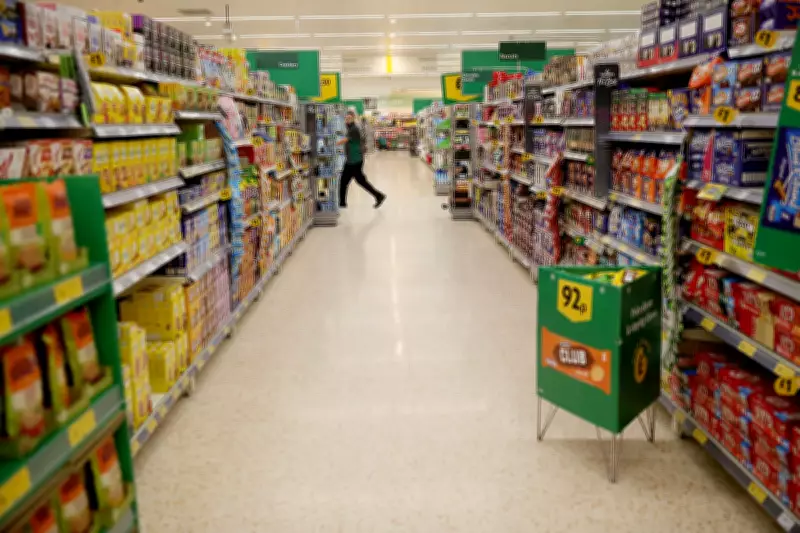
Supermarket sales fell even further in February compared to the previous month, with cash-strapped British consumers concentrating their expenditures in January to take advantage of start-of-year promotional deals. The most popular retail items during December and January included video games, wine, and sports clothing. Despite the February dip, total retail sales still grew by 0.7 percent over the three-month period leading up to February.
Hannah Finselbach, a senior statistician at the ONS, provided insight into the retail landscape, stating: “Retail sales rose in the three months to February, with online shops seeing strong sales and art dealers also faring well. These were partially offset by a weak period for clothing stores.”
Online Retailers Thrive While High Streets Struggle
The ONS's previous retail sales tracker had revealed unexpected growth of 1.8 percent through January, driven by strong performances from technology retailers and art galleries that helped offset falling supermarket sales. Online sales demonstrated significant resilience, increasing by 10.8 percent year-on-year for the three months to January on average. However, traditional high-street retailers faced additional challenges due to unusually heavy rainfall during this period.
Retailers Brace for Rising Costs from Iran Conflict
UK retailers are now preparing for anticipated increases in manufacturing and energy costs resulting from the ongoing Iran war. These mounting pressures are exacerbating existing concerns about employment costs across the retail sector. On Thursday, retail giant Next disclosed that it has already absorbed a £15 million financial impact from the conflict and will likely need to implement price increases as early as June.
Some industry leaders have appealed to the government for energy bailouts to help mitigate the need for passing these additional costs directly to consumers. The combination of geopolitical tensions and domestic economic challenges is creating a complex environment for retailers navigating both consumer spending patterns and operational cost pressures.