The Hidden Dangers Behind Counterfeit Fashion
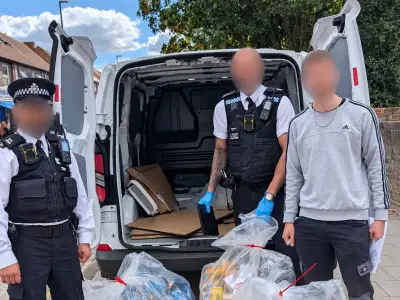
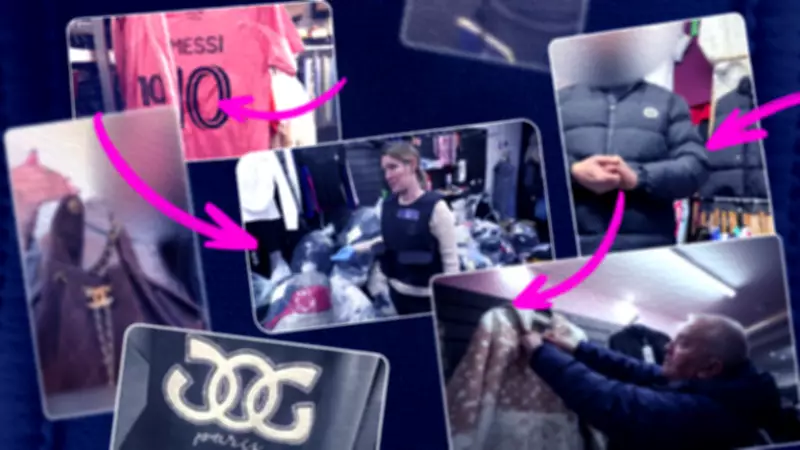
In a dimly lit storeroom in Wolverhampton, Trading Standards agents discovered shelves overflowing with counterfeit designer items during a recent raid. What began as a tip about fake The North Face products revealed a much larger operation, with knock-off garments from Ralph Lauren, Louis Vuitton, Hermes, and Levi's being sold illegally at suspiciously low prices.
A Lucrative Illegal Trade
Private investigator Steve Baker, who works with brands to identify counterfeit goods, immediately recognized the telltale signs of fake merchandise. "You just look at the way it's packaged," Baker explained, pointing to a dog-eared cardboard box marked from Bangladesh. "The facade is that this is a legitimate business, but I bet he's not paying duties on this stuff coming in."
The team seized more than 50 bags of suspected counterfeit items, with Baker estimating the legitimate value would approach half a million pounds. "Those genuine brands are paying duty, council tax, income tax," Baker emphasized. "They are employing people and paying wages—there's none of that in the counterfeit goods trade."
Links to Organized Crime and Terrorism
Former Interpol assistant director Michael Ellis, with forty years of experience hunting counterfeit criminals, revealed the darker connections. "In all my career, I've never been involved in a counterfeiting case that's never been involved in something else," Ellis stated. "Right from the offset, it's money laundering, it is tax evasion, it links us to modern-day slavery, all types of crimes."
Ellis explained that organized crime groups—including Chinese triads, Italian mafia, and Mexican cartels—have taken over the trade because of its profitability. Counterfeiting has become twice as lucrative as drug trafficking according to Global Financial Integrity reports. Even more alarming, investigations into the 2015 Charlie Hebdo terrorist attack in Paris uncovered direct links to counterfeit goods sales funding arms purchases.
Generation Z's Normalization of Fakes
New research shows fake fashion is being driven by demand from Gen Z shoppers under thirty. According to the EU Intellectual Property Office, a third of Gen Z have knowingly purchased counterfeit fashion items in the past year. Sarah Woodcock, chief executive at The Anti-Slavery Collective, noted: "There's that need to belong and to own the cool new thing and they're the ones that we see who have, in their own minds, rationalized or normalized the idea of counterfeits."
Social media platforms like TikTok feature influencers openly promoting fake designer fashion, with some describing counterfeit items as "a little slice of luxury on a budget" while directing viewers to purchase links. Woodcock believes many influencers remain unaware they're committing crimes and funding organized criminal networks.
Direct Safety Hazards to Children
During investigations, Steve Baker discovered counterfeit children's hoodies from The North Face being sold online with dangerously long hood cords that violate safety regulations. "That contravenes the hood cord regulations because it's a potential choking hazard," Baker warned. "You're potentially killing your kid buying that."
The investigation revealed sellers using deceptive practices, including mismatched bank account names and requests to label payments as "friend" transactions to avoid detection. Despite these red flags, counterfeit items continue to reach consumers, with one tracksuit arriving two weeks after purchase despite obvious defects.
Enforcement Challenges and Consumer Responsibility
Michael Ellis described the difficulty of combating counterfeit goods as "a bit like a game of whack-a-mole." UK Trading Standards and the City of London Police's intellectual property crime unit face significant resource challenges against the sheer volume of fake goods. Ellis emphasized that better cooperation between enforcement agencies—including police, customs, labor, immigration, and taxation bodies—could improve effectiveness.
Ultimately, Ellis stressed that consumer choices drive the market. "Do I want to give my hard-earned money to a legitimate trader and thereby contribute to society? Or do I give my hard-earned money to a criminal who's going to reinvest it into firearms, going to be peddling drugs on the same streets that I'm walking?" he questioned. "Just sit back and make an informed choice what you do with your money."