Undercover Raid Exposes Vast Counterfeit Fashion Operation
In a dimly lit storeroom at the back of a small high street shop in Wolverhampton, phone torches scan shelves packed with boxes during a Trading Standards raid. The team, tipped off about counterfeit goods, is stunned by the sheer volume of fake fashion items piled high. "We might need a bigger van," remarks Trading Standards agent Nicola Biddle, as the scale of the illegal operation becomes clear.
Surprising Haul of Fake Designer Brands
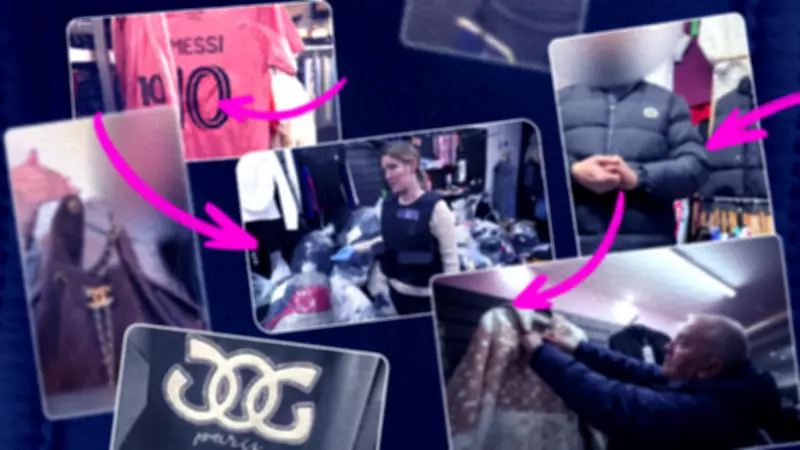
Initially expecting counterfeit The North Face items, Nicola's team discovers garments from dozens of other designer brands. Supposed Ralph Lauren tops for £30, Louis Vuitton jumpers for £20, Hermes shoes, and Levi's pants are among the items being sold illegally on the shop floor. "This is all fake," declares Steve Baker, a private investigator for brands who works with Trading Standards to quickly identify counterfeit goods.
Pointing to a cardboard box containing fake The North Face puffer jackets, Mr. Baker notes the dog-eared packaging, clumsy tape, and markings from Bangladesh as clear signs of counterfeiting. "The facade is that this is a legitimate business," he says, suspecting tax evasion as the goods appear to have been direct-shipped without proper duties paid. He explains that border agents often prioritise contraband like firearms and drugs, leaving counterfeit goods lower on the inspection list.
Investigating Ownership and Modern Slavery Risks
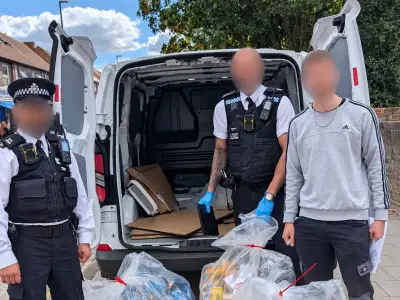
While Ms. Biddle and Mr. Baker assess the stock, officers from West Midlands Police work to establish the shop's ownership and the identity of a shop worker, a man in his late 20s from India. "There is that risk of modern-day slavery on a raid like this," says PC Caleb Walton, emphasising that support will be offered if needed. After hours of cataloguing, the team seizes over 50 large bags of suspected counterfeit goods, estimated to be worth half a million pounds if legitimate.
Mr. Baker highlights the broader impact: "Those genuine brands are paying duty, council tax, income tax. They are employing people and paying wages – there's none of that in the counterfeit goods trade." However, the trouble with fake fashion extends far beyond economic losses, delving into darker realms of crime.
Links to Organised Crime and Terrorism
Michael Ellis, a former assistant director at Interpol with 40 years of experience hunting counterfeit criminals, states, "In all my career, I've never been involved in a counterfeiting case that's never been involved in something else." He explains that counterfeit trade is inherently linked to money laundering, tax evasion, and modern-day slavery.
Mr. Ellis reveals that organised crime groups, including Chinese triads, Italian mafia, and Mexican cartels, have taken over the lucrative trade. Investigations into the 2015 Charlie Hebdo terrorist attack in Paris uncovered direct links to counterfeit goods, as attackers sold fake trainers to fund arms purchases, with similar connections found in the 2004 Madrid bombings.
According to a report by Global Financial Integrity, counterfeiting is twice as lucrative as drug trafficking, making it the most profitable income stream for organised crime. In the UK, fake fashion accounts for about a third of the counterfeit trade, costing the economy nearly £1 billion annually in lost revenue. "Our biggest problem is convincing people that it isn't victimless," Mr. Ellis says, noting that consumers are often drawn by low prices without understanding the criminal underpinnings.
Gen Z Demand and Social Media Influence
New research indicates that fake fashion is being driven by demand from Gen Z shoppers under 30. The EU Intellectual Property Office reports that a third of Gen Z have knowingly bought a fake fashion item in the past 12 months. "We've really seen this marked attitude shift, particularly among Gen Z," says Sarah Woodcock, chief executive at The Anti-Slavery Collective.
Ms. Woodcock explains that Gen Z, growing up with smartphones, has been heavily exposed to brands, leading to a desire to belong and own trendy items. This has normalised the idea of counterfeits in their minds. A brief search on TikTok reveals several influencers openly promoting fake designer fashion, with one woman exclaiming, "Before anyone has a heart attack, it's not real," while holding a fake Louis Vuitton handbag.
Ms. Woodcock believes some influencers are unaware of the impact, suggesting that warnings about funding organised crime could make a difference. However, fake fashion remains readily available on UK high streets, with enforcement struggling to keep pace.
Hotspots and Online Trade Challenges
Camden in London is a UK fake fashion hotspot, where Trading Standards has seized over £26 million worth of counterfeit goods in recent years. In a short stretch of the high street, undercover teams easily purchased fake Chanel handbags, The North Face beanies, Ralph Lauren caps, and Christian Dior jumpers. Vendors even show QR codes on labels that link to genuine brand sites, adding a layer of deception.
Steve Baker, with years of experience investigating counterfeit goods, notes that social media has made the trade more lucrative and harder to police. He demonstrates how easy it is to find fake items online, searching terms like "cheap designer gear" on platforms like Facebook. One vendor selling fake The North Face kids' hoodies raises red flags, including hood cords that pose a choking hazard, violating UK regulations.
Mr. Baker points out other signs of fraud, such as mismatched profile and bank details, and requests for vague payment references like "friend." Despite the risks, a purchased tracksuit arrives two weeks later, highlighting the persistence of the trade.
Enforcement and Consumer Choice
Mr. Baker reports the item and seller to Trading Standards, but former Interpol assistant director Michael Ellis compares hunting counterfeit goods to a game of whack-a-mole. "You seize goods and, days later, they are back again," he says, noting that UK Trading Standards and the City of London Police's intellectual property crime unit are challenged by limited resources and high volumes.
He advocates for better cooperation between enforcement agencies, including police, customs, and immigration, to improve effectiveness. Ultimately, as long as demand exists, suppliers will continue producing fake fashion. Mr. Ellis emphasises the need for informed consumer choices: "Do I want to give my hard-earned money to a legitimate trader and thereby contribute to society? Or do I give my hard-earned money to a criminal who's going to reinvest it into firearms, going to be peddling drugs on the same streets that I'm walking?"