Major Alcohol Producers Face $22 Billion Inventory Crisis
Five of the world's largest listed alcohol producers are currently holding an astonishing $22 billion worth of ageing spirits, representing the highest inventory level in over a decade. According to comprehensive research conducted by the Financial Times, industry giants including Diageo, Pernod Ricard, Campari, Brown Forman, and Rémy Cointreau are grappling with this unprecedented accumulation of unsold stock.
This growing inventory crisis has revived troubling memories of the infamous 'Whisky Loch' phenomenon from the 1980s, which resulted from excessive production during the 1960s and 1970s. The original 'Whisky Loch' had devastating consequences for the industry, forcing dramatic price reductions to clear massive stockpiles while dozens of distilleries were either mothballed or permanently closed as production plummeted.
Industry-Wide Production Cuts and Profit Declines
The current inventory crisis is affecting producers far beyond Scotland's borders. At the conclusion of last year, the manufacturer of Jim Beam bourbon whiskey announced it would completely halt production at its primary Kentucky facility throughout all of 2026. Pernod Ricard, the global powerhouse behind Absolut vodka, Jameson Irish whiskey, and Martell cognac, reported a substantial 19 percent decline in operating profits during the six-month period ending December.
Campari has responded to the challenging market conditions by implementing significant production reductions and divesting several brands. The industry backdrop has deteriorated so severely that Pernod Ricard and Brown-Forman have confirmed they are actively discussing a "potential business combination" that both companies describe as "akin to a merger of equals." Such a consolidation would likely result in substantial job losses as the newly formed entity seeks to streamline operations and reduce costs.
Celebrity-Backed Brands Defy Industry Downturn
While traditional spirits producers struggle with declining demand, celebrity-backed spirit brands are capturing increasing market share. According to IWSR, the global authority on beverage alcohol data and insights, worldwide beverage alcohol consumption declined by two percent in 2025 across twenty-two key markets representing seventy-five percent of global sales.
The spirits category performed particularly poorly, experiencing a four percent volume decline and a nine percent value decrease during 2025. However, celebrity-endorsed and celebrity-owned brands are bucking this negative trend through strategic social media marketing and targeted brand positioning.
The Celebrity Spirit Revolution
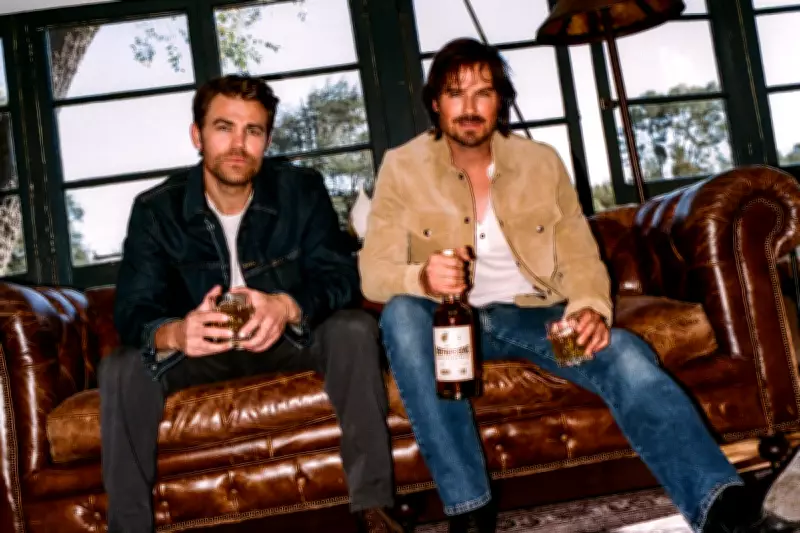
George Clooney's Casamigos Tequila arguably initiated this celebrity spirit movement when Diageo acquired the brand for $1 billion in 2017. This landmark transaction was followed by Ryan Reynolds' $600 million sale of his Aviation American Gin stake to Diageo in 2020. The trend accelerated dramatically throughout 2020 with the launch of Dwayne 'The Rock' Johnson's Teremana Tequila and Brother's Bond Bourbon, founded by former Vampire Diaries actors Ian Somerhalder and Paul Wesley.
Beyoncé entered the premium spirits market in 2024 with SirDavis, an American rye whisky developed in collaboration with Moët Hennessy. The celebrity spirit phenomenon expanded further in 2025 with notable entries from José Mourinho, Meghan Markle, Robbie Williams, Avril Lavigne, Kylie Minogue, and 50 Cent.
Ready-to-Drink Segment Shows Explosive Growth
Recent IWSR data reveals that celebrity-backed brands outperformed traditional competitors in three of seven major alcoholic beverage categories during 2024. The champagne category demonstrated the most dramatic contrast, with celebrity-backed brands achieving twenty-six percent volume growth while the broader category declined by seven percent.
Rum also showed strong celebrity brand outperformance, recording thirty-two percent growth compared to a one percent decline for non-celebrity brands. However, celebrity-backed whisky, gin, and vodka brands underperformed their respective markets by one to five percent during the same period.
The Ready-to-Drink Phenomenon
Ready-to-drink (RTD) pre-mixed beverages emerged as the fastest-growing celebrity-backed segment by a substantial margin. RTD volumes skyrocketed by an astonishing 266 percent in 2024, compared to just three percent growth for the broader market. Preliminary 2025 data suggests this trend has continued, with RTDs representing the only major beverage category to experience both volume and value growth last year.
Roisin Vulcheva, IWSR Senior Insights Manager, attributes this remarkable growth to evolving consumer preferences: "Celebrities have traditionally endorsed premium spirits categories, but they're increasingly active in RTDs and non-alcoholic beer, tapping into the growing moderation trend while partnering with brands that align with their lifestyle and health-focused brand positioning."
Consumers Willing to Pay Premium for Celebrity Brands
Market research indicates consumers demonstrate remarkable willingness to pay premium prices for celebrity-associated spirits. Data published in 2023 by Union, a prominent hospitality insights platform, revealed that consumers are prepared to pay up to seventy-three percent more on average for celebrity spirits compared to traditional alternatives.
As traditional alcohol producers confront mounting inventory challenges and declining demand, celebrity-backed brands continue to capture market share through strategic social media engagement, targeted marketing, and alignment with contemporary consumer trends toward moderation and wellness. The spirits industry appears poised for continued transformation as celebrity influence reshapes market dynamics and consumer preferences.