The End of an Era in Springvale
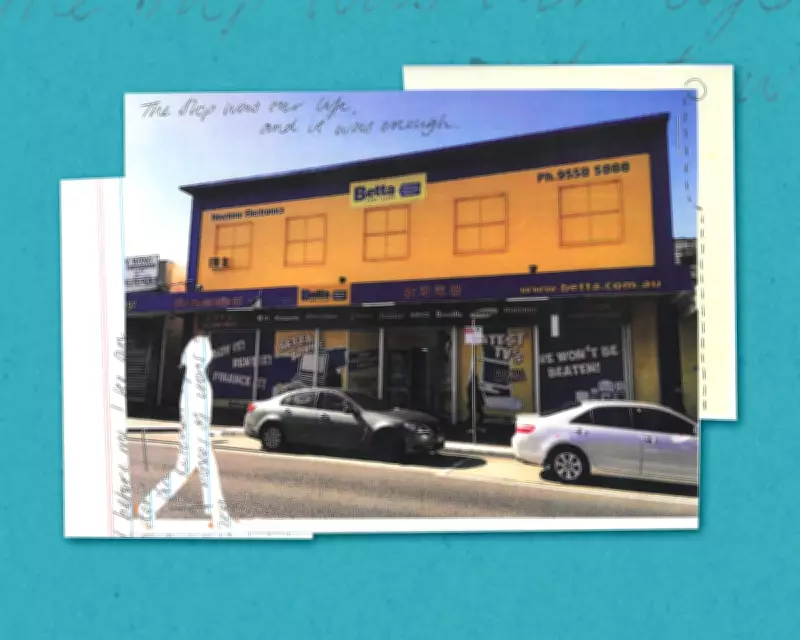
On the final day of packing, the handwritten "SALE: please ask for Special" posters were peeled from the windows of a Betta electrical store that had stood on Springvale Road for almost 35 years. For author Alice Pung, this moment marked more than just a business closure—it represented the culmination of her family's journey from survival to redemption through retail.
A Shop Full of Memories and Curiosities
As the family boxed up toasters, air fryers, and blenders, they uncovered relics from decades past: Sony Walkman cases, cassette holders, a Nintendo Game Boy cartridge featuring Kirby's Dream World, and polar fleece rags saved from the 1990s. The inventory included unusual items not typically found in Betta stores—cloth-covered shopping trolleys, wooden-handled umbrellas marked at $10, and pink glitter pencil cases purchased during post-Christmas sales to entertain children while their parents shopped.
"Ngo, that woman's going to buy the last air fryer! Quick, help type out the receipt," Pung's mother urged her sister, highlighting the practical challenges of running a business without English literacy skills. Her mother had invested earnings from a decade of jewelry-making in their cramped garage, working with dangerous chemicals like potassium cyanide, to help establish this shop that became their family's center of life.

Springvale as a Vision of Adulthood
For young Alice Pung, Springvale represented her ideal vision of adult life—complete with its underground pedestrian tunnel, $2 bánh mì stores, and shops selling diamante-encrusted formal dresses in majestic hues of emerald, purple, and navy blue. She imagined delicious lunch breaks between selling appliances, followed by evenings dressing up for exciting outings.
The reality proved different. "My parents never went anywhere," Pung writes. "The shop was our life, and it was enough." Their world revolved around the electrical store, with occasional visits to chicken rice and pho restaurants, bubble tea shops, the local library where Pung wrote parts of her first book, and the wet market where mangoes sold for a dollar per kilo at day's end.
Survivors Building New Lives Through Retail
Pung's parents and relatives were survivors of the killing fields and Mao's China—people who had been denied modern medicine, electricity, and the wonder of white goods during their earlier lives. For them, the shop represented not just existence but redemption, a second chance at building meaningful lives in their new country.
In the electrical appliance retail world, Pung describes Harvey Norman stores as sleek thoroughbreds and the Good Guys as affable blue heelers, while Betta electricals and Retravision outlets resemble beloved long-living mutts—resilient, sustained by local communities, and containing mixtures of everything.
Transition Rather Than Retirement
When friends asked about her parents' retirement plans, Pung's mother scoffed at the concept. "No way. We're all just going to work in the Footscray shop now," she declared. At Footscray Betta, relatives continued working strong—with Pung's father, in his mid-70s, still calculating air conditioner horsepower requirements mentally, and Uncle Fang working into his 80s.
"Footscray's closer to home," Pung's mother added pragmatically. "Less of a drive. And you'll be able to visit us more often." The family business would continue, just in a different location, maintaining the legacy of resilience that had sustained them through decades of change in Melbourne's retail landscape.
As the Springvale store closed its doors for the final time, it left behind not just an inventory of appliances but a tangible record of immigrant survival, family dedication, and the quiet redemption found in serving a community through generations of technological change.