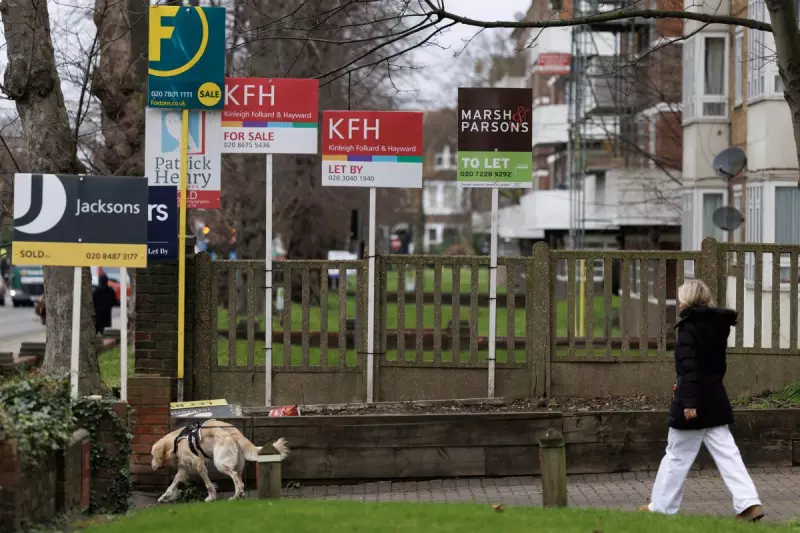
New research has exposed a severe downturn in the London flat market, with a leading estate agent blaming recent government policies for creating a damaging glut of properties and locking out first-time buyers.
A Market Flooded with Flats
According to data from Hamptons, Londoners were the most likely in the country to have lost money when selling a property in 2025. Crucially, 90 per cent of these loss-making sales were flats. This trend has raised concerns among potential buyers, but industry experts argue the problem is not with flats as a housing type, but with specific short-term economic decisions.
Simon Gerrard, chairman of Martyn Gerrard Estate Agents, states that a combination of fiscal measures has severely dampened demand while simultaneously flooding the market with supply. While issues like high service charges in buildings affected by the cladding scandal have played a role, the core of the current crisis is attributed to government policy.

Policy Double-Blow: Cutting Demand, Boosting Supply
The analysis points to two primary policy impacts. First, the reduction of the Stamp Duty relief threshold for first-time buyers from £425,000 to £300,000, coupled with the end of Help to Buy, has disproportionately hurt London. With the average flat price exceeding the new threshold, a purchaser buying at £425,000 now faces an extra £6,000 in stamp duty, eroding deposits and buying power during a period of elevated interest rates.
Secondly, legislation making it economically nonviable for many landlords, ahead of the Renters Rights Bill taking effect in May 2026, has triggered a landlord exodus. This has created a surge in flats for sale just as demand from first-time buyers was being constrained. This imbalance of supply and demand is a basic economic principle with predictable results, warns Gerrard.
Wider Economic Repercussions
The consequences extend beyond flat owners facing losses. The market logjam prevents people from moving up the housing ladder, delaying life events like starting a family. This slowdown in transactions depresses wider house prices and hurts associated economic activity in legal services, surveying, refurbishment, and retail.
Gerrard argues that decisive action is needed to reverse the damage. The government must stimulate demand by restoring support for first-time buyers or reforming Stamp Duty, widely seen as a regressive tax. If abolition isn't feasible, a shift so the seller pays the duty could at least protect those entering the market and ease the burden on those trading up.
The situation presents a particular irony, as the young working Londoners suffering most from these policies were noted as strong supporters of the Labour government in the last election. The call is now for Chancellor Rachel Reeves to change course to unblock the market and encourage growth.