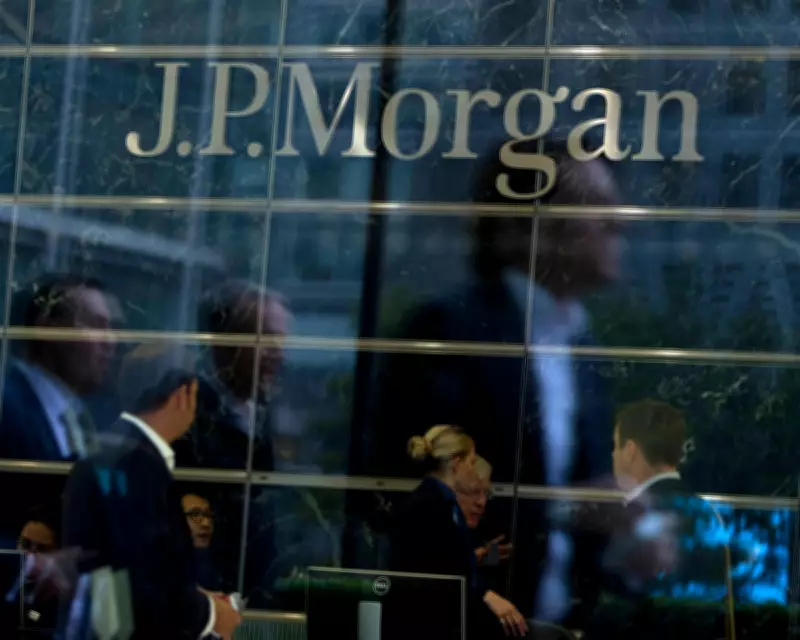
JP Morgan's Request for Business Rates Discount Sparks Controversy
JP Morgan, the global banking giant that achieved a staggering net income of $57 billion in 2025, is currently in negotiations to secure a significant discount on its business rates for a proposed new European headquarters in London's Canary Wharf. This move has ignited a fierce debate over corporate incentives and fairness in the UK's tax system.
The Background of the Deal
In November, following the budget announcement, Chancellor Rachel Reeves expressed her enthusiasm for JP Morgan's decision to build a massive 279,000 square meter tower in Canary Wharf. She hailed it as a "multibillion-pound vote of confidence in the UK economy and this government's plans for growth." Jamie Dimon, the CEO of JP Morgan, echoed this sentiment, attributing the choice to the UK government's focus on economic growth.
However, it has since emerged that the deal is not yet finalized. According to documents from Tower Hamlets council, JP Morgan is seeking clarity on a business rates incentive before proceeding with the project. The Treasury has proposed discounts of "up to 100%" over several years, which could amount to hundreds of millions of pounds, given that the site is estimated to generate up to £1.6 billion in rates over 25 years under normal conditions.

The Negotiation Dynamics
JP Morgan has argued that the project would contribute nearly £10 billion to the UK economy over six years and create approximately 7,800 construction-related jobs. These substantial economic benefits are being used as leverage in the negotiations. The bank has indicated that it is "unlikely to progress" without a clear and certain incentive package.
To facilitate this, the government has requested that the council explore options for a lawful and fiscally responsible business rates incentive, potentially through the creation of an enterprise zone around the development. This approach would allow for time-limited discounts, but it has raised concerns about distorting the tax system.
Criticism and Implications
The request for a business rates discount has drawn sharp criticism, particularly from small businesses in the hospitality sector, such as pubs and restaurants, which were heavily impacted by rate increases in Reeves's budget. Many argue that it is unfair for a highly profitable corporation like JP Morgan to receive such concessions while smaller enterprises struggle.
Despite this, the power imbalance in the negotiation is clear. The Treasury is under pressure to secure the investment, as financial services are a key sector in the government's industrial strategy. It would be a significant embarrassment if the deal fell through, leading to speculation that JP Morgan will ultimately receive a favorable agreement, even if it is not strictly necessary for the bank's financial health.
As the discussions continue, there is a growing call for transparency regarding the final cost of this "vote of confidence." The outcome will likely set a precedent for future corporate incentives in London and beyond, highlighting the ongoing tension between attracting investment and ensuring equitable tax policies.