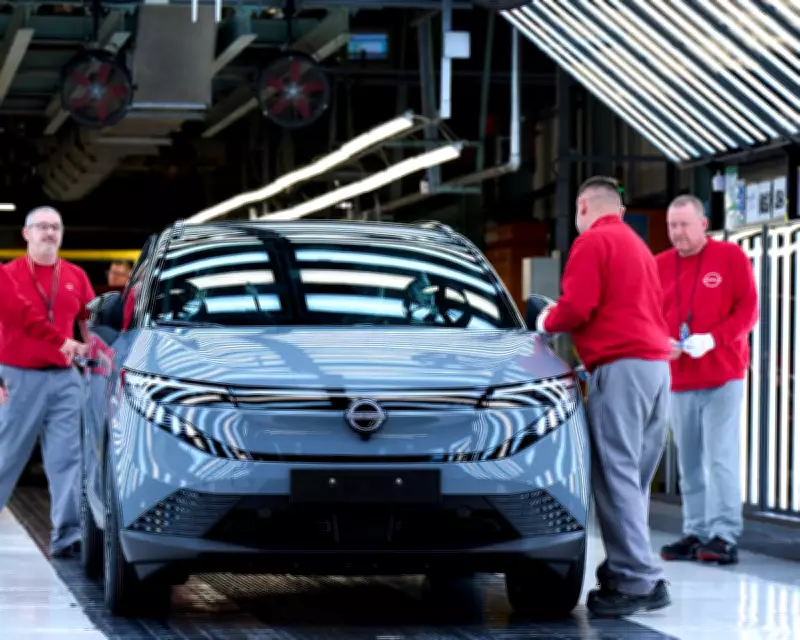
UK Car Production Sees Sharp Drop in Alarming Manufacturing Downturn
Recent data reveals that car production in the United Kingdom has fallen sharply, signaling a concerning decline that is sending shockwaves through the manufacturing sector. This downturn is raising alarms among industry experts and policymakers about the broader economic implications and the future viability of the automotive industry in the UK.
Key Factors Behind the Production Decline
The decline in car production is attributed to a combination of factors that have converged to create a challenging environment for manufacturers. Supply chain disruptions have played a significant role, with delays in the delivery of essential components such as semiconductors and other electronic parts. These disruptions have forced many production lines to slow down or halt operations temporarily, leading to reduced output.
Additionally, economic uncertainties and fluctuating consumer demand have contributed to the downturn. High inflation rates and rising living costs have dampened consumer spending on big-ticket items like cars, while global economic instability has made it difficult for manufacturers to plan and invest in future production. The shift towards electric vehicles has also introduced complexities, as companies navigate the transition from traditional combustion engines to new technologies.
Impact on the UK Economy and Employment
The drop in car production has far-reaching consequences for the UK economy. The automotive industry is a major contributor to the nation's GDP, and a decline in production can lead to reduced economic growth and lower export revenues. Employment in the sector is also at risk, with thousands of jobs potentially threatened if the downturn persists. Many workers in manufacturing plants and related supply chains face uncertainty about their future, which could exacerbate social and economic challenges in regions heavily reliant on the automotive industry.
Furthermore, the decline affects ancillary industries, such as parts suppliers and logistics services, creating a ripple effect that extends beyond car manufacturing itself. This interconnectedness means that a slump in car production can have cascading impacts on the broader industrial landscape, potentially leading to wider job losses and reduced economic activity.
Industry Responses and Future Outlook
In response to the decline, industry leaders and trade associations are calling for urgent government intervention to support the sector. Proposals include:
- Increased investment in research and development for electric and autonomous vehicles.
- Measures to stabilize supply chains and reduce dependency on foreign components.
- Incentives for consumers to purchase new cars, such as tax breaks or subsidies.
Looking ahead, the future of UK car production remains uncertain. While there are opportunities in the growing market for electric vehicles, the sector must overcome current challenges to regain momentum. Experts emphasize the need for a coordinated strategy involving government, industry, and stakeholders to address the underlying issues and foster a resilient manufacturing base. Without decisive action, the worrying decline in car production could deepen, posing long-term risks to the UK's industrial strength and economic prosperity.