
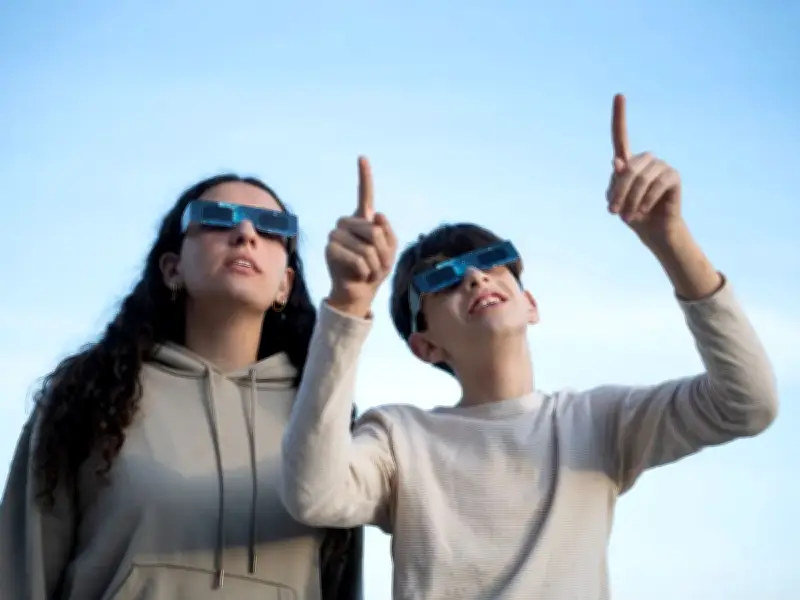
Londoners still hoping to secure certified solar eclipse glasses before Wednesday's historic event can find them in person at a few key locations, including the National Maritime Museum and the Royal Observatory Greenwich, though queues are already forming and stock limits apply.
Where to Buy Certified Glasses in Person
The National Maritime Museum and the Royal Observatory Greenwich are both selling ISO 12312-2 certified eclipse glasses today (Tuesday, August 11) and on eclipse day itself, Wednesday, August 12. Due to high demand, shoppers are limited to a maximum of five pairs per person at either location. The two museums are within walking distance of each other in Greenwich Park, which is also one of the best spots in the city to watch the eclipse.
However, visitors have already reported lengthy queues this morning, so getting a pair may require patience. For those not near Greenwich, it's worth calling your nearest Jessops branch, as some London stores have reportedly been stocking certified glasses. Robert Dyas stores are also reportedly selling them, but stocks are believed to be extremely limited.
Attend an Eclipse Viewing Event for Free Glasses
Another option is to attend an official eclipse viewing event where glasses are handed out or sold. Croydon Astronomical Society will observe the eclipse from Kenley Airfield, The School Common in Warlingham, and Bingham Recreation Ground in Addiscombe. These events are free and require no pre-booking, and the society will have some eclipse glasses to distribute on the night.
South London Astronomical Society is hosting an event at Riddlesdown Common Car Park in Purley. For £10 per family, attendees can borrow eclipse glasses, use three specialist telescopes, and speak to a local astronomer. SW London Stargazers are also meeting on Tooting Common, where a limited number of glasses will be available for early arrivals.
Safety Warnings and Alternatives
Viewers are warned never to look directly at the sun without certified glasses, as the sun's radiation can permanently damage retinas without causing pain. Standard sunglasses offer no protection and can actually increase risk by reducing glare and encouraging longer staring. Viewing through a phone camera is also unsafe for both eyes and the device.
If you can't get glasses, a homemade pinhole projector can work: poke a small hole in a piece of paper and view the shadow cast on another surface, or use a colander. The eclipse, described by the Royal Greenwich Observatory as the most spectacular since 1999, will obscure up to 96 per cent of the sun in some UK areas, peaking at 7.12pm in London and ending by around 8.10pm.




