Latest UK Foreign Office Guidance for Turkey Travel During Easter Season
As geopolitical tensions continue to escalate across the Middle East region, Turkey maintains normal operations in its primary tourist centers. The West Asian nation, celebrated for its historic urban centers and breathtaking coastal landscapes, continues to attract European visitors in significant numbers. During 2025, Turkey recorded an impressive 63.4 million international arrivals, with Russia, Germany, and the United Kingdom representing the leading source markets for inbound tourism.
Current Foreign Office Travel Advisories and Restrictions
The Foreign, Commonwealth & Development Office maintains its recommendation against all travel to specific regions of Turkey. This advisory specifically applies to areas within ten kilometers of the Turkey-Syria border, primarily due to ongoing terrorism concerns. Importantly, no travel warnings currently exist for major tourist destinations including Istanbul, Cappadocia, and Antalya.
The FCDO most recently updated its travel guidance on March 1, implementing new requirements for British nationals considering entry across the land border from Iran. According to the updated advisory, British citizens must now request support from the British Embassy in Ankara before attempting to cross this border region.
The official guidance explicitly states: "If you intend to leave Iran overland, you do so at your own risk. In Iran, holding a British passport or having perceived connections to the UK can be reason enough for the Iranian authorities to detain you."
Flight Operations and Airline Responses
Commercial flights from European cities to major Turkish airports continue to operate according to standard schedules. This includes regular services to Istanbul's two primary commercial airports and Antalya Airport. While Turkish Airlines has cancelled select routes to specific Middle Eastern and Gulf destinations, British Airways, AJet, and Pegasus all maintain daily flight operations between London and Istanbul.
British Airways has confirmed it is actively monitoring the regional situation and has cancelled a limited number of flights to Middle Eastern destinations. The airline's official statement emphasizes: "Safety is always our top priority and we would never operate a flight unless it was safe to do so." British Airways offered passengers scheduled to travel between Heathrow and several Middle Eastern destinations before March 15 the option to modify their flights without charge until March 29.
Geographical Context and Border Situation
Turkey shares a substantial land border with Iran extending approximately three hundred miles. The aerial distance between Tehran and Istanbul ranges between two thousand and two thousand fifty kilometers. According to regional reports, day-trip crossings at all three customs gates along the Turkey-Iran border have been temporarily suspended.
Turkey's Trade Minister Omer Bolat has clarified that Iran continues to permit its own citizens to enter Iran via Turkey, while Turkey allows its citizens to return from Iran. Istanbul, Turkey's largest metropolitan area and primary tourism gateway, is situated in the country's northwest region, thousands of kilometers from areas currently experiencing heightened tensions.
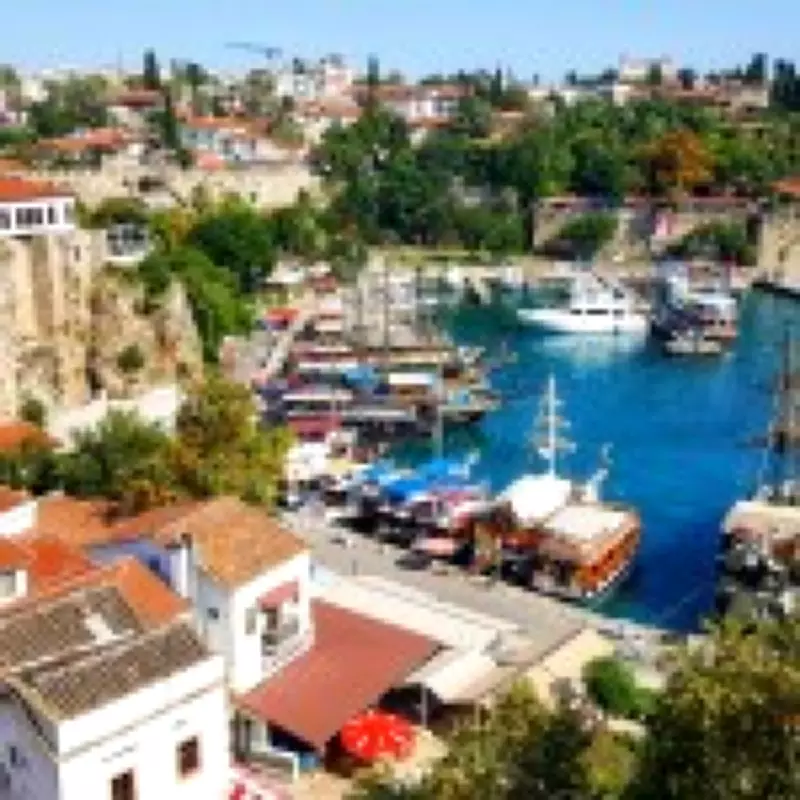
The Turkish Riviera, encompassing popular holiday resorts including Antalya, Bodrum, and Marmaris, is located along the Mediterranean and Aegean coasts in southwestern Turkey.
Travel Considerations and Refund Policies
Travelers who have already booked holidays to Turkey but choose not to travel will not qualify for refunds under current circumstances, as the Foreign Office has not issued explicit advisories against travel to the country. The FCDO recommends that travelers regularly monitor official guidance for any updates regarding the situation.
Should the Foreign Office eventually advise against travel to Turkey, affected travelers should contact their tour operators, travel insurance providers, or airlines directly for further assistance and potential resolution options.