
The 'destination dupe' trend, which encourages travellers to swap popular hotspots for lesser-known, budget-friendly alternatives, is facing growing backlash from industry insiders who argue it is insulting and counterproductive. Patrick Hill, head of Paramount Cruises, told Metro: 'Selling somewhere as the budget version of somewhere famous really gets under my skin. It's a bit insulting, for a start: these are real places with their own character, not knock-off handbags. And [the dupe trend] doesn't even fix the thing it claims to. All it does is take the overtourism that's crushing one town, and export it to another, which was doing perfectly well being itself.'
The Rise of Destination Dupes
Destination dupes, also known as destination 'twins', have become one of the decade's biggest travel trends, with social media platforms like TikTok and Instagram flooded with videos promoting places like Ghent as a substitute for Venice, Albania as a cheaper Maldives, and Lake Ohrid as an alternative to Lake Como. An eSim provider even created a 'Travel Dupe Index' to rank the phenomenon. However, behind the glitzy marketing campaigns, there is growing disquiet about how the trend impacts local communities.
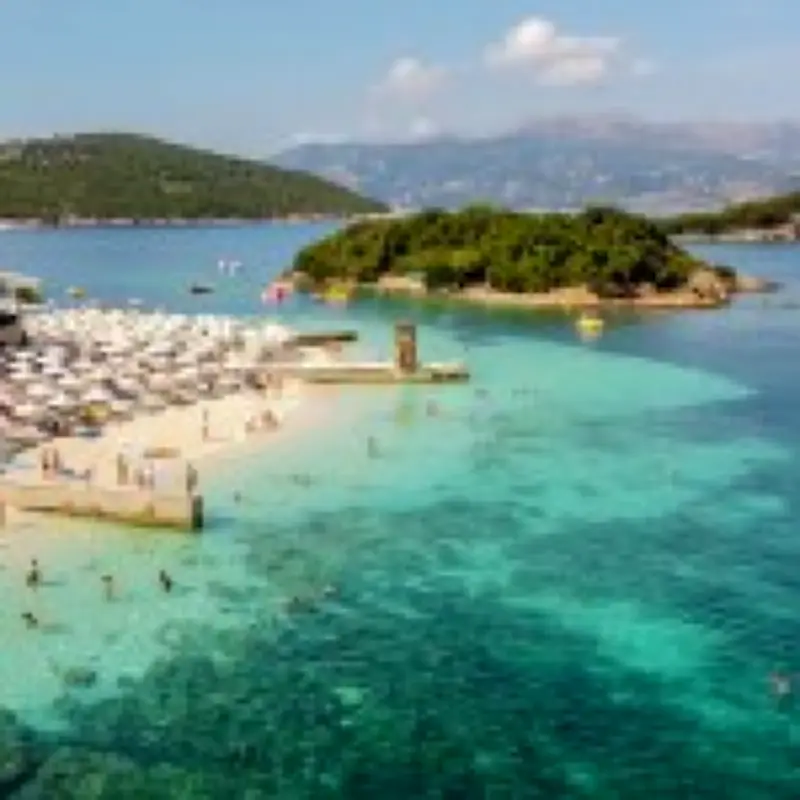
As a Travel Editor, I visited Albania's TikTok-famous Riviera in 2024, often called the 'Maldives of Europe'. The reality was stark: the coastline of Sarandë's horseshoe-shaped bay is now covered with multi-storey hotels, and the beaches were littered with empty beer bottles, cigarette butts, and sunbeds crammed onto every inch of sand. It was sad to see such a spectacular place in such a state. The sudden tourism spike has spawned a flurry of construction that threatens to ruin the natural beauty that makes this country so special.
Albania's Tourism Boom and Its Consequences
In 2015, more than three million overseas visitors touched down on Albania's shores. By 2024, that number had skyrocketed to more than 11.7 million, making it Europe's fastest-growing holiday destination, according to the World Tourism Forum Institute. Albania is unprepared, and the people who live there are paying the price. According to the Travel and Tourism Development Index, Albania lags behind the average in managing natural resources, and lacks the EU regulation on construction and infrastructure development that neighbouring Greece and Croatia must abide by.
The appeal of dupes is understandable: they promise a high-end experience for a fraction of the price, often closer to home. Travel sections have extensively reported on Venice alternatives like Aveiro in Portugal and Bosham in West Sussex, and reader interest is high. As travel costs continue to rise, dupes become even more attractive. Among UK adults, YouGov reports that the cost of living is the most commonly cited factor shaping summer travel plans. Around a third (32%) cite hotel or accommodation costs, while 29% mention airfares. Once away, British families typically set aside £771 for things like meals, drinks, days out and entertainment, according to the Post Office Travel Money 2026 Family Holiday Report. But 85% spent more than their budget, with the average overspend at £380.
Industry Experts Weigh In
A recent study by Skyscanner revealed that 93% of travellers would consider a dupe destination, with about 64% saying the savings helped them decide. Melanie Fish, chief trend tracker for Expedia, described dupes as 'destinations that are a little unexpected, sometimes more affordable, but every bit as delightful as the tried-and-true places travellers love.' However, not everyone agrees. Patrick Hill argues: 'You should go somewhere because you genuinely want to be there, not because it's been dressed up as a cheaper stand-in for somewhere else.'
Mats Ulenius, a Stockholm-based travel advisor with over 25 years of experience, echoes this sentiment: 'The term reduces real places with their own culture and history to cheap substitutes. Calling a destination a 'dupe' is like introducing a musician as the budget version of someone more famous. It completely overlooks what makes that destination unique.'
The Future of Travel
As the debate continues, the question remains: is the dupe trend a sustainable way to travel or a harmful shortcut? While it offers cost savings and less crowded experiences, the environmental and social costs can be significant, as seen in Albania. Travellers are encouraged to consider the impact of their choices and to visit places for their own merits, not just as cheaper alternatives to famous destinations. The trend may be here to stay, but its long-term effects on local communities and environments will shape how we travel in the future.




