A 1,300-Mile Journey to Ukraine's Resilient Food Capital
Walking through the snow-dusted streets of Lviv in February 2026, life appears deceptively normal. People stroll with their dogs, shop for essentials like toilet roll, and gather with friends over coffee in cozy cafes. Yet, a closer look reveals the deep scars left by four years of war since Russia's invasion of Ukraine. Located 600 miles from the frontline in the country's west, Lviv bears a clear toll: monuments shielded by metal cages against attacks, buildings hollowed by shelling and draped in plastic sheets, and a nightly curfew from midnight to 5am. Each morning, the city pauses for a minute of silence, a somber reminder of the ongoing conflict.
The Harsh Realities of Winter and War
Winter has always been challenging in Ukraine, but 2026 brought the coldest temperatures in decades, with January recording the lowest in 16 years. Millions face daily struggles without reliable drinking water and electricity due to repeated attacks on energy infrastructure. Keeping warm has become a full-time job. During my visit, the bone-chilling -10°C air underscored these hardships. I traveled as a volunteer with Driving Ukraine, an organization founded in 2022 by Fynn Watt and Maksym Sosliuk, which sends vehicles to the frontline. Our convoy of 10 cars, starting from Oxfordshire, involved nearly 30 people working together to ensure their safe delivery to Lviv.
These vehicles often end up with military medics, humanitarian bomb disposal teams, or air defence units along the frontlines. Despite being relatively safe by Ukrainian standards—subject to regular aerial attacks but far from the frontline, about the distance from London to Berlin—Lviv requires bravery to reach. The loosely organized chaos at the Polish border and lengthy paperwork add to the journey's challenges. Our 1,300-mile trip faced hiccups like sore backs, sleepless nights, and a breakdown on a German motorway, but we arrived to grateful Ukrainians. Handing over a Toyota Land Cruiser to a soldier, his wife hugged me, thanking us not just for the car but for the chance to reunite with her husband after months apart.
Daily Life Amid Air Alerts and Memorials
Maksym Sosliuk, 25, shared that the war has transformed Lviv beyond recognition, blurring his memories of its pre-war vibrancy. The old town, dating back to the 1200s, remains an architectural marvel with ornate churches, wide boulevards, and a UNESCO-protected opera house. Once thronged by international tourists in Rynok Square, the atmosphere has shifted. Before my trip, I downloaded Ukraine's 'Air Alert!' app, which warns of incoming missiles and drones. While less common than in cities like Kyiv or Dnipro, Lviv experienced alerts, including one at 6am where soldiers attempted to shoot down a drone overhead.
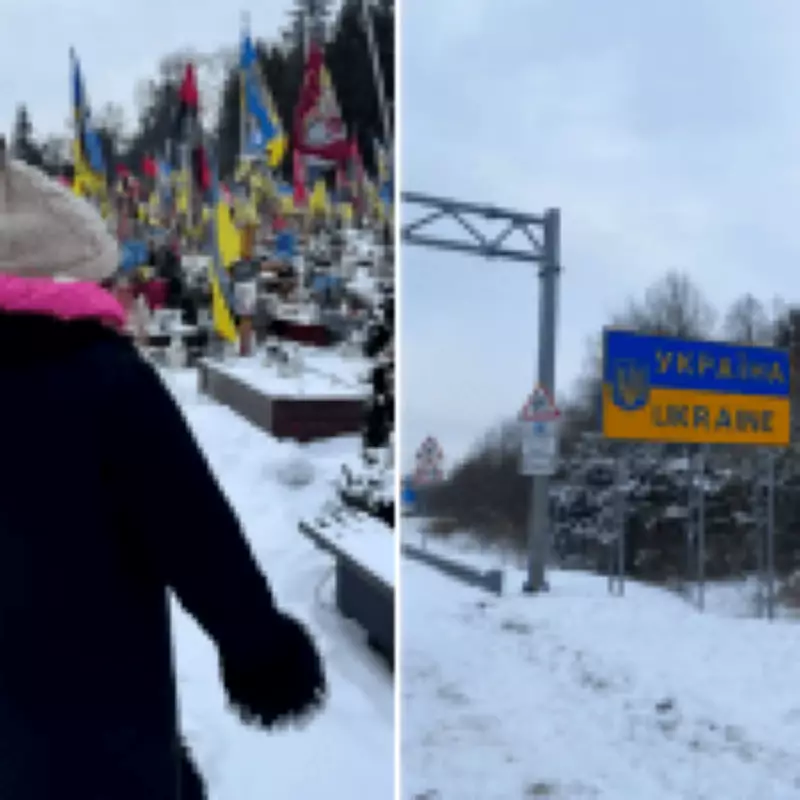
A visit to the Field of Mars in Lychakiv Cemetery, a memorial to fallen soldiers, revealed rows of over 1,000 graves adorned with names, pictures, and Ukrainian flags—each representing a life lost from Lviv. The UK Foreign Office advises against all travel to parts of Ukraine, including Crimea and areas near the Belarus border, and against all but essential travel to western regions like Lviv. For those who choose to visit, monitoring local media, knowing shelter locations, and heeding air alerts are crucial, as Ukrainian airspace remains closed.
The Rise of Dark Tourism and Culinary Resilience
International tourism in Lviv has dwindled, but domestic tourism has surged. Statistics from the Lviv Tourism Office show that pre-war, the city attracted 1.5 to 2 million visitors annually from around 150 countries. In 2024, about 1.7 million people visited, with 88% domestic and only 12% international tourists. Last year, Ukraine's tourism rose 27% above pre-war levels, with Lviv as the second most visited city after Kyiv. The only foreigners I encountered were fellow volunteers from countries like the US, the Netherlands, Spain, and France.
However, social media reveals that international travel influencers, historians, and 'dark tourists' continue to visit Ukraine, despite official advisories. Dark tourism, involving visits to conflict zones, existed before the 2022 invasion, with Chernobyl being a prime example. Now, tours like the Donbas war tour offer firsthand looks at frontline impacts, while Kyiv tours showcase destroyed military equipment. In Lviv, the tourism office focuses on developing sustainable and accessible tourism while supporting locals.
Lviv as Ukraine's Culinary Capital
In peacetime, Lviv could rival Europe's top food destinations. Famous for its chocolate, coffee, and eclectic restaurants, it serves as Ukraine's gastronomic heart. Cozy French bistros, cool wine bars, and top-notch restaurants offer experiences comparable to London or Paris at a fraction of the cost. I sampled culinary delights at Lviv Croissants, which gifted us bags of chicken-stuffed croissants, and at Inshi, where we tried traditional dishes like potato pancakes with catfish, Varenyky dumplings, and borscht.
Brunch at Cukor Black featured eggs royale and cappuccino, while Lviv Handmade Chocolate helped me select treats to take home. Our final stop, 1708 Pizza Di Napoli, served dishes like beef tartare and burrata, but like many establishments, it was quiet aside from our table. The food remains delicious and affordable, yet the sustainability of these businesses and their communities is uncertain. At the time of writing, Driving Ukraine has delivered 300 vehicles, run 53 convoys, and fundraised over £2.1 million, offering ways to support their mission through donations or participation.