
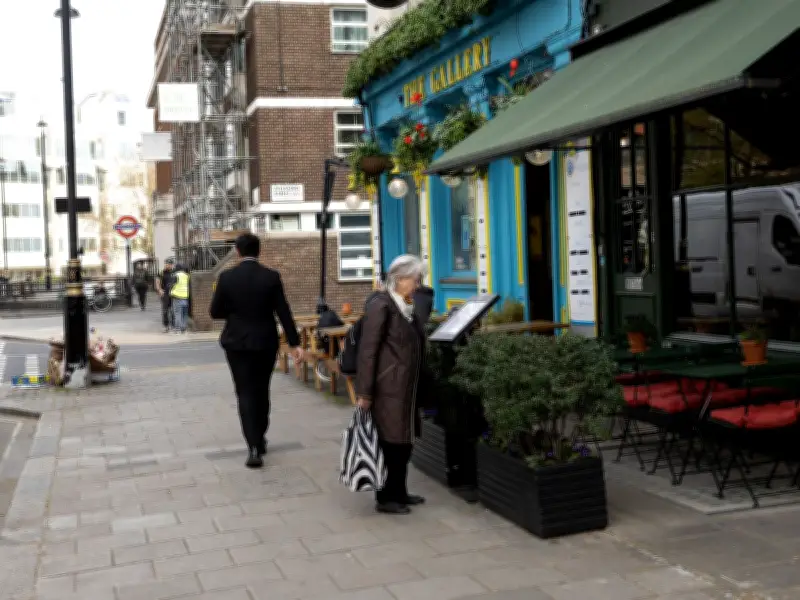
The Mayor of London, Sir Sadiq Khan, has allocated £500,000 to expand the Summer Streets programme, aiming to transform the capital into an 'al fresco city' and revive its struggling hospitality sector. The funding, distributed across 13 boroughs, supports businesses in setting up outdoor dining, events, and extended opening hours throughout the summer. However, demand from local authorities has far exceeded the available budget, leaving some councils without support and prompting criticism that the scheme is underfunded.
Expansion and Impact
This year's programme is a significant expansion from the inaugural 2025 scheme, which trialed in just four boroughs: Lambeth, Hackney, Waltham Forest, and Westminster. Now, 13 boroughs have received a share of the funding, with events like the one outside Cha Sha restaurant on Ealing Road in Wembley, Brent, featuring al fresco dining, live music, and partnerships with local businesses. Howard Dawber, Deputy Mayor for Business, told the Local Democracy Reporting Service (LDRS) that the scheme has 'caught the imagination' and that 'pretty much every borough bid for it.' He added, 'We could have done a few more - hopefully we'll be able to put some more funding together for future years as well.'
The programme has already shown promising results. According to Deputy Mayor for Culture Justine Simons, footfall increased by up to 85% in some areas during last year's trial. This year, the scheme is 'exponentially bigger,' with 40 events in Brent alone. Simons emphasized the cultural significance, saying, 'Summer Streets is all about London expressing itself... We want London to really be an al fresco city, for al fresco to be the norm, not the exception.'
Challenges for Hospitality
The initiative comes as London's hospitality sector faces mounting pressures, including higher National Insurance rates, a minimum wage increase, and declining footfall and consumer spending compared to pre-pandemic levels. Dawber acknowledged these struggles, noting, 'Inflation and costs have gone up, rates and rents have been high... Although the footfall in a lot of places has recovered from COVID, the spend hasn't necessarily recovered.' He stressed that many factors are 'down to national government to work on,' and that City Hall is making representations to address these issues.
The scheme has been praised for its community impact, with Dawber highlighting how businesses in Wembley have 'signed up to offer discounts' and turned the event into 'a real celebration of the street.' However, not all bids were successful. Some councils that missed out have proceeded independently, finding sponsorship to fund their own events. Dawber noted that the programme acts as 'a catalyst' for innovation, even if funding is not always available.
Criticism and Future Prospects
Despite its popularity, the scheme has faced criticism. Alex Challoner, a Conservative candidate in the 2024 London mayoral election, called the £500,000 budget 'small beer by City Hall standards' and 'inadequate,' noting it is barely more than the salary of three deputy mayors. He wrote on ConservativeHome, 'Not only is the funding meagre, but its impact is also being further diluted by spreading it pretty thin... It will take more than a few picnic tables to wipe the memory of a decade of failure in office.'
Dawber, however, remains optimistic about the future. He said that while no commitments have been made for next year, 'it's clearly been so popular this year,' and the success may prompt further funding. He also suggested that successful boroughs could sustain the initiative independently, as physical assets like barriers can be reused year on year. The Mayor's office will evaluate the data after the programme concludes to decide on next steps.
As London continues to recover from the pandemic, the Summer Streets programme represents a key part of the city's strategy to revitalize high streets and support small businesses. With its expansion and the enthusiasm of local communities, the vision of an 'al fresco city' may become a lasting reality, provided that funding keeps pace with demand.




