
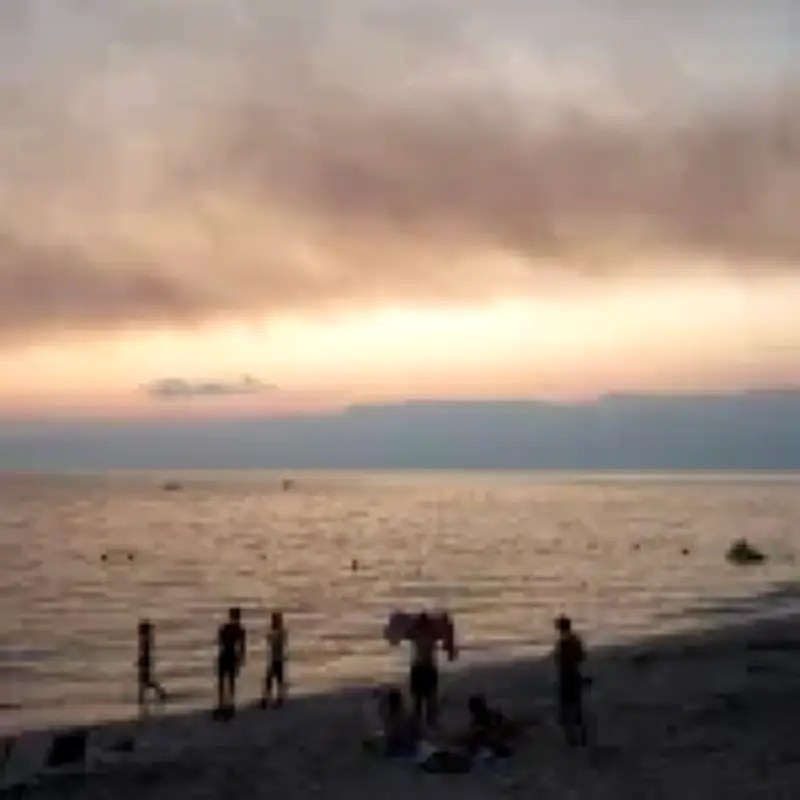
Hundreds of holidaymakers were evacuated by sea from beaches in northern Greece on Thursday, August 13, as a three-kilometre wall of flames up to 30 metres high swept through the Halkidiki peninsula, according to fire service officials and local TV. The blaze, which broke out amid a punishing summer heatwave, forced people in swimwear, many carrying children, into small boats and coast guard vessels as it bore down on homes near the popular resorts of Siviri and Fourka.
Where Are the Wildfires in Greece Right Now?
Greek authorities have declared a category 4 threat in several regions, including Greater Athens, Attica, Crete, and the Peloponnese, with large parts of southern Greece at 'extreme' or 'very high' risk of wildfires. The risk zones are expected to expand as temperatures continue to rise, according to officials. While the chances of being caught in a wildfire are slim, travelers are advised to stay informed about affected areas.
More than 200 firefighters, supported by water-bombing planes and helicopters, battled the Halkidiki fire, which spread rapidly through dry pine forests. The evacuation was chaotic, with hundreds of people forced to flee to the sea as the flames approached. The fire service confirmed that no injuries were reported, but the incident highlights the growing threat posed by wildfires in southern Europe.
What Is Causing the Greece Wildfires?
Europe is experiencing its hottest summer on record, with average temperatures 2.79°C higher than the 1991 to 2020 average. While heatwaves create tinderbox conditions, experts point to other factors. Data from the Fire Service’s Arson Crimes Directorate indicates that sparks from the state electricity grid have been responsible for as much as 75% of the land burned in Greece this year. This raises questions about the safety of Greece’s infrastructure in fire-prone areas, as well as the impact of austerity measures that have led to massive cuts in fire prevention staff over the last decade.
UK Foreign Office Travel Advice for Greece
The UK Foreign Office (FCDO) warns British citizens of a high risk of wildfires in Greece from April to October. They advise travelers to register for official emergency alerts, which can be enabled on smartphones. On iPhones, go to Settings > Notifications and enable 'Emergency Alerts' at the bottom. On Android 11 and higher, go to Settings > Notifications > Advanced Settings > Wireless Emergency Alerts. On Samsung devices, go to Settings > Apps > Messages > Notifications > Emergency Notifications and enable the option. These alerts from the Greek government’s Emergency Communication Service will be sent based on the phone's location, so travelers should keep their phones with them at all times.
The FCDO urges travelers to be responsible and self-aware to avoid starting fires. They recommend collecting litter (especially glass), ensuring cigarettes are properly extinguished, and not lighting barbecues. In case of immediate danger, call the Greek emergency services on 112. The FCDO also recommends having a grab bag ready with essentials such as passports or ID cards, mobile phones and chargers, money and bank cards, insurance and important documents, and essential medicine and prescription details.




