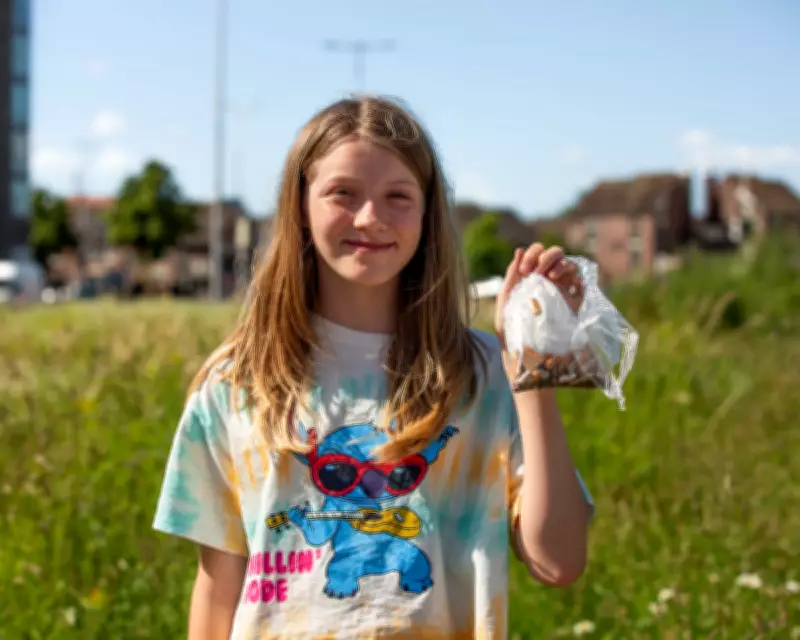
More than 4.5 trillion cigarette butts are discarded globally each year, making them the most common form of plastic waste. In the Netherlands, the figure is in the hundreds of millions. To combat this, a food truck called WasteBar is offering free poffertjes—small Dutch pancakes—in exchange for 20 cigarette butts. The initiative also accepts plastic waste: 15 pieces for a poffertje, with drinks costing 10 butts and fruits or candies 15.
How WasteBar Works
At festivals like Het Vrije Westen in Amsterdam's Westerpark, the yellow WasteBar truck displays slogans such as “don’t waste waste!” and a sign reading “Betaal hier met zwerfafval” (pay here with litter). The concept, launched in 2022, is the brainchild of Dutch entrepreneur Noreen van Holstein, who adapted it from a 2019 campaign in Goa, India, to tackle beach litter. She runs the bar through a foundation with fellow entrepreneur Lalita van Lamsweerde.
Impact and Challenges
To date, the WasteBar has serviced over 50 events, collecting more than 500,000 cigarette butts. Some were used in an art exhibit, while others await proper disposal. Van Holstein jokes, “Right now I have about 100,000 in my garden in a drum.” She hopes to find a recycling partner this year. Dutch municipalities spend an estimated €36 million annually cleaning up cigarette butts, which contain plastic, heavy metals, and toxic substances.
Behavioral Change
Van Holstein aims to prompt a “mentality change,” especially among children. “We want to get people in action mode, and by picking up litter, they would not litter any more, because we believe that once seen, it cannot be unseen,” she says. The initiative is funded by grants and municipality funds.
Reint Jan Renes, a behavioral scientist at the Amsterdam University of Applied Sciences, notes that WasteBar leverages effective social dynamics: “It turns something abstract like littering into a visible, collective social activity. People see others participating, talking about waste, picking up cigarette butts together and contributing to something tangible.” He adds that if enough people associate litter cleanup with civic pride or community participation, it may seed a wider cultural shift.
Broader Context
Van Holstein points to Singapore and Nordic countries as models for clean cities and notes the Netherlands’ success in reducing dog poo litter. However, she acknowledges that one truck cannot solve the problem alone: “Even if we were at 500 events a year, we wouldn’t solve the problem.” The annual No Butts Day, held on the first Saturday of July, also engages thousands in cleanup efforts. At the Westerpark festival, children collected 6,000 cigarette butts, equivalent to several hundred pancake portions.