
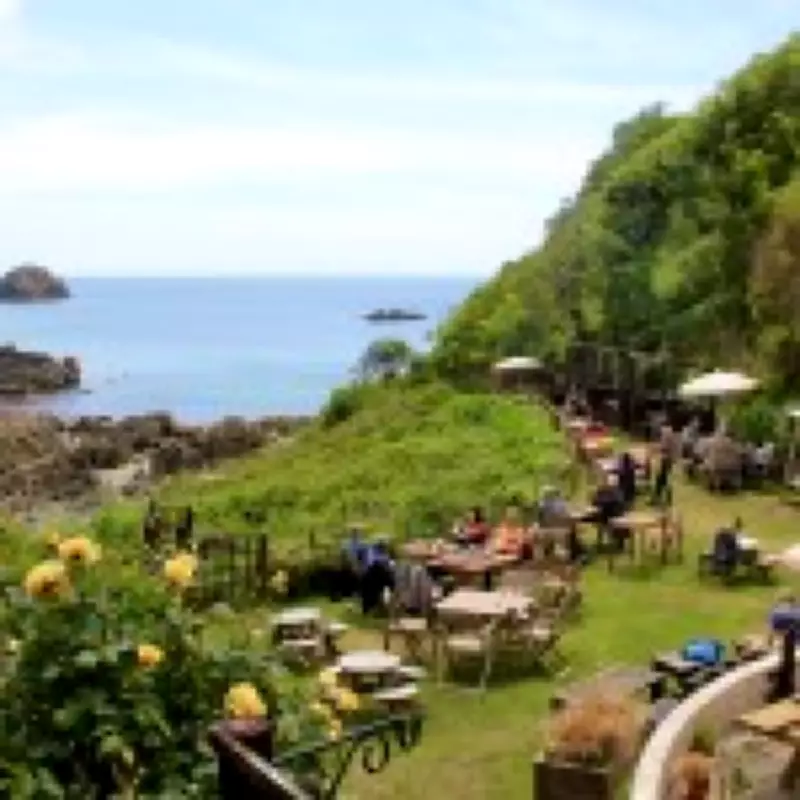
In an era marked by pandemic, war, and climate concerns, long-haul travel can feel daunting. Yet just a 45-minute flight from London lies a pocket-sized paradise that feels like a secret gem from a bygone era. The Channel Island of Guernsey offers immaculate beaches, an exquisite food scene, and a laidback vibe that every traveller craves. With no traffic, unlocked doors, and a close-knit community, it's a stress-free escape. There's no language barrier, and you can still use Pound sterling. I spent 48 hours exploring what this island has to offer.
The Background and Getting Around
Guernsey is less than an hour's flight from London but feels like another world. It enjoys more sunshine than the rest of the British Isles, and rain showers pass quickly. Geographically closer to France than England, Guernsey has a dark history: during WWII, it was occupied by Nazi forces, a legacy visible in bunkers and fortifications. Liberation Day on May 9 marks the end of occupation. Today, life moves slowly, and mass tourism has faded since the 1980s. Guernsey is a self-governing Crown dependency, not part of the UK, so you'll need an eSIM for navigation. Rent a car (narrow lanes), take efficient buses (contactless payment), use the local taxi app, or cycle—e-bikes are often left unlocked at cafes.
Day 1: Coastal Walks and Local Flavours
Start with the cliff walk from Renoir to Jerbourg, a two-hour route offering spectacular coastal views. Stop at Renoir Cafe for a drink and authentic Guernsey gâche (cake). Then visit Castle Cornet, an 800-year-old fortress in the town centre. For £12, you can explore medieval grounds, gardens, and museums. Guernsey was once an agricultural and maritime hub, but today it's a financial services powerhouse. The island is also boosting its culinary scene, exemplified by Reservoir View Vineyard, established in April by Lily and Jono. They offer tours of their boutique wine production, with first bottles expected next year. After a day of walking, unwind at Black Box Sauna on the west coast, offering sunset views and a plunge into the sea. Several pubs are nearby.
Day 2: Sport, Food, and Festivities
The inter-island rivalry between Guernsey and Jersey is fierce, especially in rugby and football. I caught the Siam Cup rugby match, the second oldest in the world (dating to 1920), where Guernsey won 35-27 at Footes Lane. Guernsey also retained the Muratti Vase football trophy 2-1. The island has no chain restaurants; instead, it offers independent eateries and food festivals. Top of the list is Virac (named after the Guernésiais word for seaweed), a Michelin-starred restaurant run by Welsh chef Nathan Davies and his wife Hollie. The open kitchen serves a ten-course tasting menu featuring local ingredients, especially seaweed. It costs £155 before wine pairings or service charge—ideal for special occasions. For mid-range dining, try Hook in the town centre, with a cocktail bar offering £8 daily specials. Balthazar on the seafront serves surf and turf. Cobo Beach has three restaurants in one: Rockmount pub for seaside drinks, Randalls Public Bar for sports and pool, and Seafront Sundays for food stalls. Local fish and chips, Thai, Indian, and Indonesian options are also available. Don't miss ice cream made from pure Guernsey milk.
Where to Stay and How to Get There
Fermain Valley Hotel on the southeast coast offers elegance and nature, with rooms overlooking the bay. Highlights include made-to-order breakfast and the Tree House Spa. Classic doubles start from £185 per night. Budget options include guest houses from £70 and Airbnb private rooms from £61. Guernsey's airline Aurigny serves nine UK airports plus seasonal Dublin routes, with flights from Gatwick from £98 return. BA also flies daily from Heathrow Terminal 5. Ferries from Poole cost under £100.




