
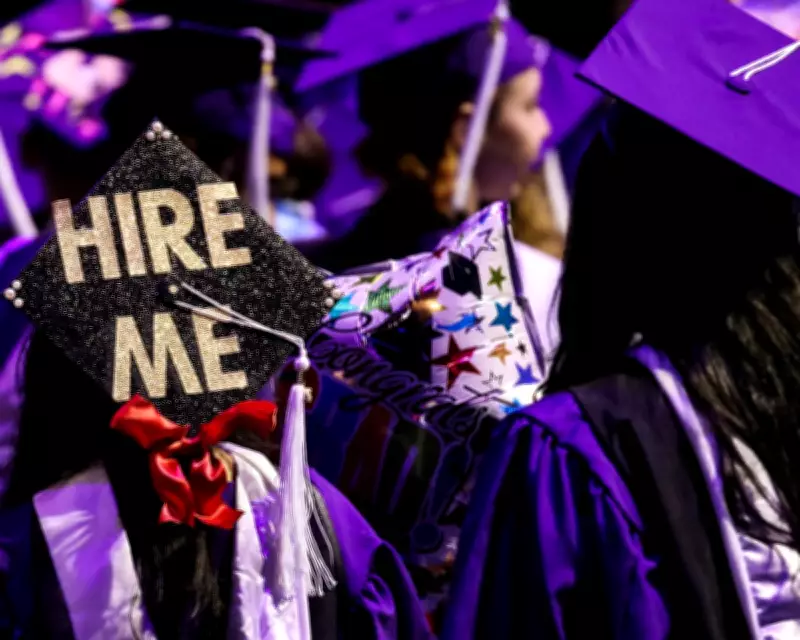
Recent graduates across the United States are navigating an increasingly difficult employment landscape, with new data indicating the entry-level job market for college graduates has deteriorated to its worst state since the onset of the pandemic. According to a comprehensive analysis conducted by the Federal Reserve Bank of New York, both unemployment and underemployment rates have surged, painting a grim picture for those entering the workforce.
Alarming Unemployment and Underemployment Trends
The Federal Reserve Bank of New York's research highlights a significant uptick in unemployment among recent college graduates. By the end of last year, the unemployment rate climbed to approximately 5.6%, up from an average of 5.3% during the third quarter. This increase underscores the growing challenges faced by new graduates as they seek stable employment opportunities in a competitive market.
Perhaps even more concerning is the sharp rise in underemployment, which reached 42.5%—the highest level recorded since 2020. Underemployment, which includes individuals working in jobs that do not fully utilize their skills or education, reflects a broader issue of job quality and economic mismatch for college-educated workers.
Graduates Share Their Job-Hunting Struggles
As this year's graduation season approaches, many students are expressing anxiety and frustration over their job prospects. The application process has become increasingly demanding, with graduates reporting the need to submit dozens, if not hundreds, of applications to secure even a single interview. Experiences vary widely, but common themes include lengthy hiring processes, intense competition for limited positions, and a sense of uncertainty about future career paths.
We are reaching out to individuals who are set to graduate this year to gather firsthand accounts of their job-hunting journeys. How are you managing the application process? What strategies have you employed to stand out in a crowded field? Share your stories to help shed light on the real-world impacts of these economic trends.
Broader Implications for the Economy
The struggles of college graduates in the job market have far-reaching implications for the broader US economy. High levels of underemployment can lead to reduced earning potential, increased student debt burdens, and delayed milestones such as homeownership or starting a family. Moreover, this trend may signal underlying weaknesses in the labor market that could affect economic growth and stability in the coming years.
Experts suggest that addressing these issues requires a multifaceted approach, including enhanced career counseling, stronger partnerships between educational institutions and employers, and policies that foster job creation in high-demand sectors. As the data from the Federal Reserve Bank of New York makes clear, the need for actionable solutions is more urgent than ever.




