
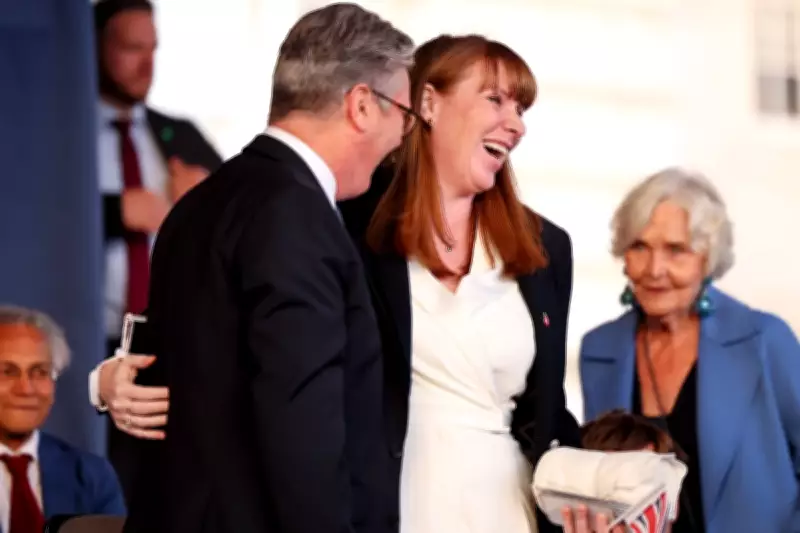
Union Leaders Seize Labour Turmoil to Demand Major Workers' Rights Overhaul
Union bosses are capitalising on the ongoing turmoil within the Labour party leadership to intensify their push for a significant shakeup in workers' rights. This move comes as Prime Minister Keir Starmer faces mounting pressure from left-wing factions within his own party, who are increasingly vocal about the need for stronger employment protections.
Call for Guaranteed Hours Beyond Manifesto Pledges
The government is being urged to go beyond its existing manifesto commitments by granting all workers the right to guaranteed hours. This represents a major escalation from Labour's initial pledge to abolish zero-hour contracts entirely. Under new proposals set to be introduced next year, employers will be required to offer eligible workers guaranteed hours that reflect their standard work patterns over a reference period, which is expected to be around 12 weeks.
This legislative change is poised to be a transformative development for more than a million workers currently employed on zero-hour contracts, providing them with greater job security and predictability in their earnings.
Political Maneuvering and Leadership Speculation
The union lobbying efforts, as reported by the Telegraph, are unfolding against a backdrop of heightened political speculation. There are growing rumours that the former deputy leader of the Labour party, who played a key role in drafting the workers' rights bill, is preparing for a potential leadership challenge. This figure, widely regarded as one of the main architects of the proposed reforms, is said to have amassed a war chest of approximately £1 million to fund such a bid.
This internal party dynamic adds a layer of complexity to the government's efforts to navigate the contentious issue of workers' rights while maintaining party unity.
Business Confidence Plummets in Response to Reforms
Labour's Employment Rights Bill has emerged as one of the most contentious areas for the government as it attempts to balance its pro-worker agenda with the need to foster a positive relationship with the business community. The London Chamber of Commerce and Industry reported in January that business confidence had plummeted to its lowest ever level, based on a quarterly economic survey of 500 business leaders across the capital.
The group issued a stark warning, stating that what they describe as punitive workers' rights reforms are causing employers to reconsider their hiring plans. The survey revealed that only a quarter of London businesses believe the local economy will improve in 2026, with even fewer expecting an upturn in the national economy.
Government U-Turn on Unfair Dismissal Protections
In a significant policy reversal, the government backtracked on its manifesto pledge to provide all new staff with protection from unfair dismissal from their first day of employment. This U-turn, announced in November, followed fierce political resistance from the House of Lords.
Under revised proposals unveiled by the Department for Business and Trade, this protection will now come into effect after an employee has completed six months in a new role. This compromise reflects the ongoing tension between advancing workers' rights and addressing concerns from business leaders and political opponents.
The interplay between union demands, Labour's internal politics, and business apprehensions continues to shape the landscape of workers' rights in the UK, with significant implications for both employees and employers across the nation.




