
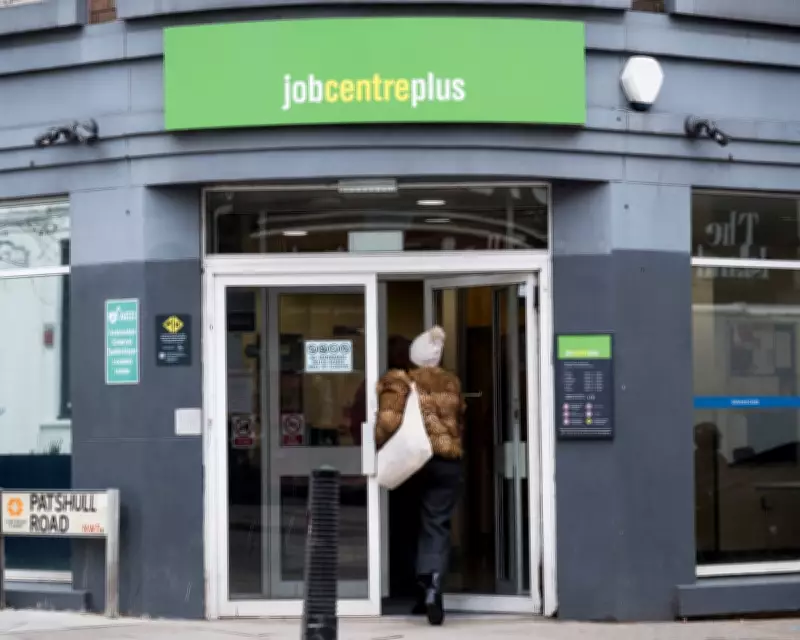
Unemployment in the United Kingdom has climbed to a five-year high, reaching 5.2% in the final quarter of 2025, according to recent official data. This alarming rise underscores a job market that is described as "floundering," with companies exhibiting extreme caution in hiring due to persistent economic uncertainties and cost pressures.
Labour Market in Fragile State with Limited Recovery Signs
Two major reports released on Monday reveal that Britain's labour market remains in a precarious position, showing only minimal signs of recovery. The BDO employment index, a key indicator from the accountancy and consultancy firm, has plummeted to its weakest level in nearly 15 years, matching the lows seen during the aftermath of the financial crash in March 2011. This index, which tracks hiring intentions, headcount, and labour demand, registered at 93.30 in February, unchanged from January and well below the 95 threshold that signifies growth.
Scott Knight, head of growth at BDO, emphasized the severity of the situation, stating, "While momentum is building in pockets of the economy, real growth is impossible without targeted action to fix the floundering labour market." The report notes that while the decline in employment has stabilised since the start of the year, there are limited prospects for a meaningful near-term recovery.
Impact on Young Workers and Business Output
The unemployment surge has disproportionately affected young people, with rates hitting a near-11-year high. The Office for Budget Responsibility attributes this trend to businesses scaling back on hiring rather than implementing mass layoffs, which particularly impacts new entrants to the workforce. In a recent forecast, the OBR revised its unemployment peak projection to 5.3% for the year, up from an earlier estimate of 4.9%.
Despite the grim employment outlook, BDO's business output index offers a glimmer of hope, rising to 98.80 in February—its highest level in a year. This increase, driven largely by a more buoyant services sector, marks three consecutive months of recovery. However, this positive momentum in output has not translated into job creation, highlighting a disconnect between economic activity and labour market health.
Recruitment Trends and Sector-Specific Challenges
A parallel report from KPMG and the Recruitment and Employment Confederation (REC) indicates that demand for both permanent hires and temporary workers continued to decline in February, albeit with some signs of stabilisation. Permanent staff hires are still falling, but the rate of decrease is at its lowest since March 2023. Some recruiters noted a slight improvement in employers' willingness to recruit, though overall conditions remain subdued.
Jon Holt, chief executive of KPMG UK, pointed to global disruptions as a key factor, saying, "Businesses are again facing unexpected economic shocks because of global events out of their control, such as the crisis in the Middle East. Resilience is now the new normal, so it is likely we may see these signs of recovery stall again in the near term."
Sectoral analysis reveals stark contrasts: engineering was the only sector to experience an uptick in demand for permanent staff during February. In contrast, retail and hotel and catering sectors suffered the steepest reductions in permanent vacancies, with retail also showing the biggest drop in temporary job openings.
Policy Implications and Future Outlook
Neil Carberry, chief executive of the REC, stressed the need for policy interventions to boost confidence. "A real turnaround requires growing confidence among businesses and consumers. There is cash in the system to spend if consumers and businesses feel better—a core goal of policy should be to tackle this by reducing the cost of doing business, which will in turn address the rising cost of living," he explained.
As the UK navigates this challenging economic landscape, the labour market's fragility poses significant risks to long-term growth. With unemployment at a five-year high and hiring intentions weak, targeted measures to stimulate job creation and business investment will be crucial in steering the economy toward a more stable recovery.




