
NHS Tribunal Awards Compensation Over 'Auntie' Harassment Claim
An employment tribunal has ruled in favor of Ilda Esteves, a 61-year-old NHS healthcare assistant, who was awarded £1,425 in compensation after her colleague Charles Oppong repeatedly referred to her as "auntie" despite her objections. The case highlights the complex interplay between cultural norms and workplace conduct in modern Britain.
Cultural Defense Versus Personal Boundaries
Oppong defended his actions by stating that in his Ghanaian culture, "auntie" is a term of respect for older women. However, the tribunal found that his persistence after Esteves asked him to stop constituted harassment. Additionally, Oppong suggested an older colleague would be a "good match" for Esteves, which the tribunal deemed inappropriate over-familiarity.
This dispute underscores the challenges when behaviors learned in one cultural context clash with expectations in shared spaces like workplaces. Habits perceived as harmless in one culture can be interpreted differently in another, leading to misunderstandings and conflicts.
The Multifaceted Meaning of 'Auntie'
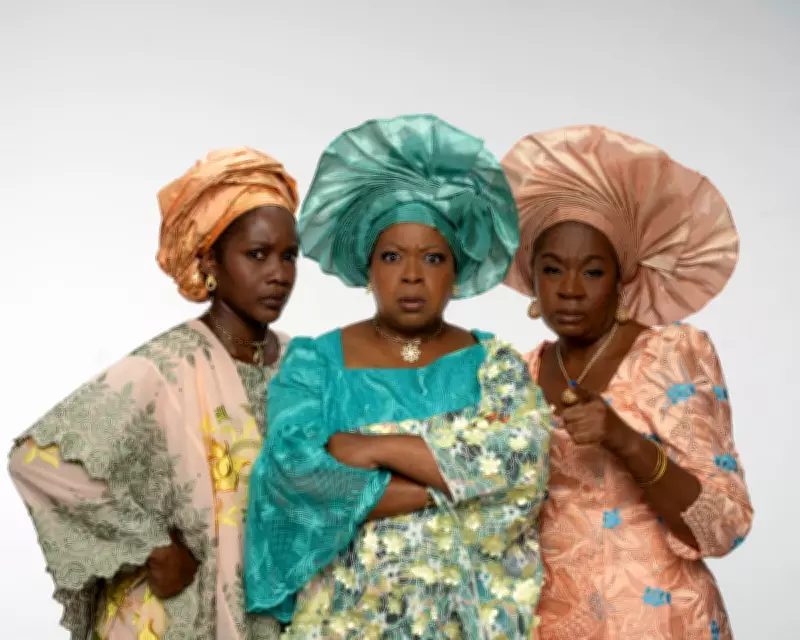
For many West African, Caribbean, and South Asian communities, "auntie" and "uncle" are honorifics that convey respect and authority. For instance, DKMS UK, a charity combating blood cancer, launched the "Listen to your Aunties!" campaign to encourage Black and South Asian communities to join the stem cell donor register, leveraging this title's authoritative connotation.
In these cultures, using such terms signals good manners and values age as a source of wisdom. However, within diaspora communities, the term can sometimes be inverted to challenge authority, showing its nuanced usage across contexts.
Western Attitudes Towards Ageing and Workplace Dynamics
In British workplaces, where age hierarchies are often flattened, "auntie" can be seen as undermining or even ageist, particularly in a society where older women may feel pressured to hide their age due to ageism and misogyny. This contrasts with cultures that celebrate ageing, viewing it as an accumulation of experience and dignity.
Author Lola Okolosie reflects on her own experiences as a middle-aged woman, noting the western discomfort with ageing. She argues that ageing should be acknowledged with pride rather than shame, challenging the societal worship of youth.
Respecting Personal Preferences in a Multicultural Society
Ultimately, the tribunal's verdict emphasizes that persisting with a title someone has rejected is not a sign of respect. This case serves as a reminder of the importance of listening to and honoring individual preferences in diverse environments, balancing cultural sensitivity with personal boundaries.
As Britain continues to navigate its multicultural identity, such disputes highlight the need for ongoing dialogue about respect, age, and cultural understanding in all spheres of life.




