
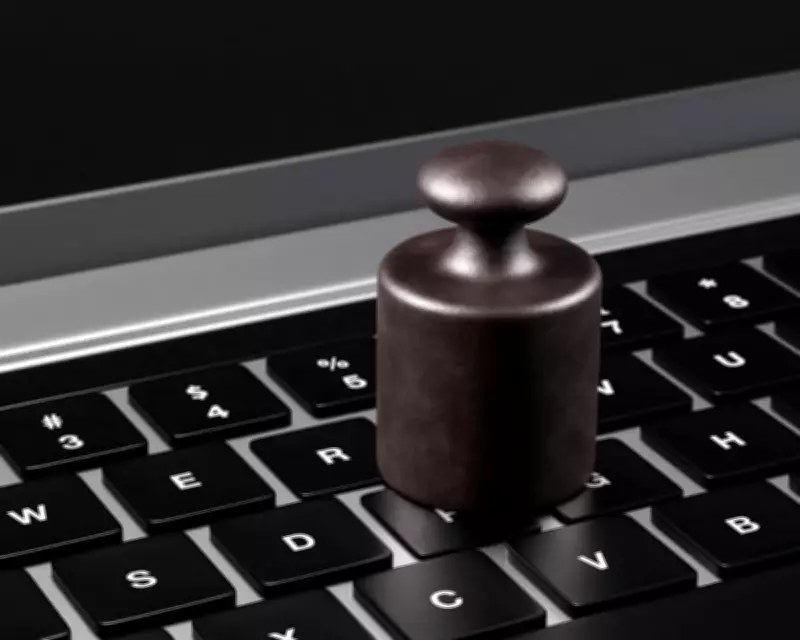
Keyboard Jamming: The Sneaky Scam to Fake Work-From-Home Activity
In the era of remote work, a new workplace scam has emerged: keyboard jamming. This deceptive practice involves employees using heavy objects to press keys on their keyboards, creating the illusion of active work while they relax during office hours. The technique is simple—open a file, place a stapler or similar item on a key, and let it simulate typing—but its implications are significant for workplace productivity and trust.
The Rise of Keyboard Jamming in Remote Work
Keyboard jamming exploits the monitoring systems used by employers, such as Microsoft Teams, which marks users as "inactive" after five minutes of no activity. By keeping keys pressed, employees avoid this status, appearing busy even when they are not. This trend has gained traction post-pandemic, as remote work becomes more common and workers seek ways to evade surveillance.
Historical context adds an ironic twist: while workshy behavior isn't new—think of Diogenes the Cynic, who famously rejected ambition—modern tactics have evolved with technology. Today, it's not about living in a barrel but about manipulating digital tools to shirk responsibilities.
Employers Fight Back with Advanced Monitoring
Employers are not standing idly by. They are investing in sophisticated tools that go beyond tracking keyboard activity to monitor actual work output. These systems analyze productivity, engagement, and task completion, making it harder for employees to fake their way through the workday.
Case in point: police forces in the UK have been particularly affected. Former PC Liam Reakes of Avon and Somerset police resigned after being caught weighing down the Z key for 103 hours between June and September 2024. Similarly, ex-detective Niall Thubron of Durham police pressed the I key over 16,000 times in a single day in December 2024, resigning before dismissal.
Widespread Impact in Public and Private Sectors
According to a Freedom of Information request and public records checks by the Times, at least 50 police officers and civilian staff have been dismissed or forced to resign in the past three years for faking keyboard activity. Greater Manchester police alone identified 28 keyboard jammers, highlighting the scale of the issue.
This isn't limited to law enforcement. The "soft off day" trend, popularized by influencers like Jess on TikTok, involves using AI apps to record meetings and draft emails while employees engage in personal activities. This blurs the line between work and leisure, raising ethical questions about remote work practices.
Employer Responses and Alternatives
In response, some employers are taking drastic measures. Manchester's chief constable, Stephen Watson, has banned work-from-home while investigations into keyboard jamming are ongoing. This move underscores a growing backlash against remote work abuses and a push for more accountable work environments.
Alternatives to these cat-and-mouse games include:
- Implementing clearer productivity metrics
- Enhancing employee engagement through regular check-ins
- Promoting a culture of trust and transparency
As remote work continues to evolve, both employees and employers must navigate the balance between flexibility and accountability. Keyboard jamming may offer a temporary escape, but with advanced monitoring on the rise, the days of easy deception could be numbered.




