
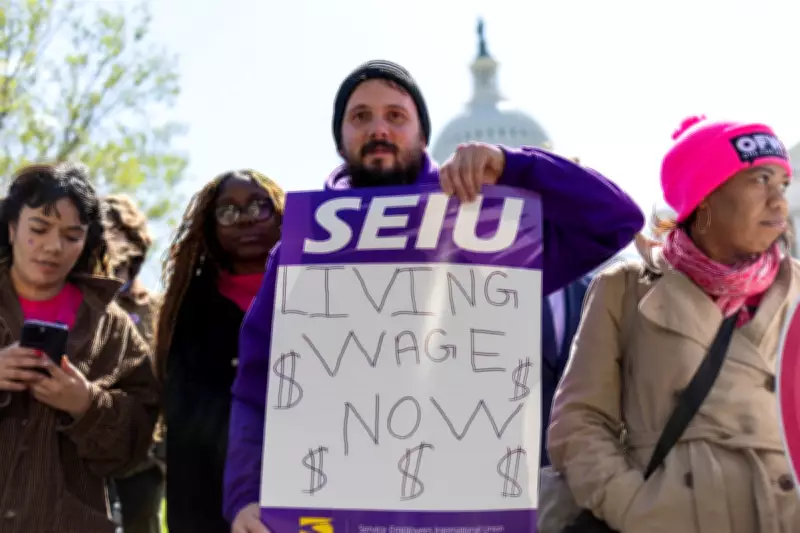
California and New York Announce Major Minimum Wage Increases for 2026
In a significant move to address economic pressures and enhance worker welfare, both California and New York have officially announced substantial increases to their minimum wage rates, scheduled to take effect in 2026. This development marks a pivotal step in labor policy, reflecting ongoing efforts to keep pace with inflation and the soaring cost of living in these populous states.
Details of the Minimum Wage Hikes
California will see its minimum wage rise to $18 per hour, up from the current $16. This increase represents a 12.5% boost, aimed at providing greater financial stability for low-income workers across the state. The adjustment is part of a broader legislative push to ensure wages align with economic realities, particularly in high-cost urban areas like Los Angeles and San Francisco.
New York is set to implement a similar hike, with the minimum wage increasing to $17 per hour, from the current $15. This 13.3% rise is designed to support workers in a state where living expenses, especially in New York City, have escalated dramatically in recent years. The change underscores New York's commitment to fostering a more equitable economic environment.
Impact on Workers and Businesses
The wage increases are expected to benefit millions of employees in sectors such as retail, hospitality, and healthcare, where minimum wage jobs are prevalent. Advocates argue that higher wages will reduce poverty levels, improve quality of life, and stimulate local economies by increasing consumer spending.
However, some business groups have expressed concerns about potential challenges, including higher operational costs and possible job cuts in small enterprises. They caution that while the intent is noble, the rapid pace of increase could strain businesses still recovering from economic disruptions.
Broader Context and Future Outlook
These announcements come amid a national conversation about fair wages and income inequality. Other states may follow suit, as policymakers grapple with balancing worker needs with economic sustainability. The 2026 timeline allows for gradual adjustment, giving businesses time to adapt and plan accordingly.
Experts suggest that monitoring the outcomes in California and New York could provide valuable insights for future wage policies nationwide. As these changes unfold, they will likely influence debates on labor standards and economic justice across the United States.




