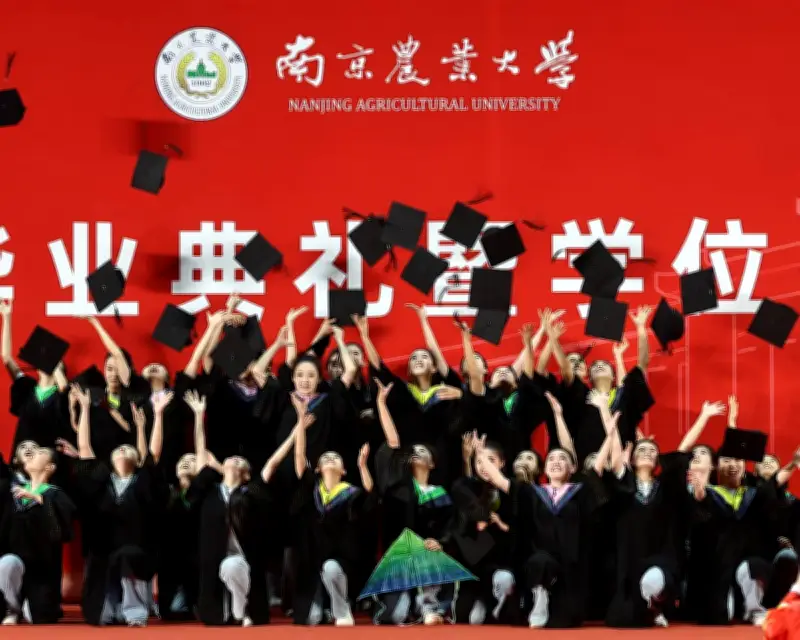
China's graduation season has become a period of anxiety as a record 12.7 million college graduates enter a job market with little demand for their skills. The number, a 480,000 increase from 2025, represents the largest cohort yet, exacerbating a persistent youth employment crisis.
Graduates Struggle to Find Jobs
Jasmine, a 22-year-old accounting graduate from Shanghai, has sent about 150 CVs over the past month without success. "It has been much harder than I imagined," she says. "The lack of vacancies is one issue, and the competition is also intense, especially for jobs that offer weekends off and proper social insurance."
China's jobless rate for 16- to 24-year-olds stands at 15.6%, comparable to the UK's 16.2% and the EU's 15.1%, but the employment market is especially unforgiving for graduates amid rapid economic transformation.
Skills Mismatch and AI Impact
A growing number of graduates with humanities, arts, and languages degrees find little demand for their skills. Meanwhile, Chinese universities are culling "obsolete" degrees en masse, having eliminated 12,200 undergraduate programs between 2021 and 2025 while introducing 10,200 in emerging fields, according to Charles Jeffery Sun, founder of consultancy China Education International.
An Economist Intelligence Unit (EIU) researcher, who did not wish to be named, says the trend was initially fuelled by China's move towards a productivity- and manufacturing-driven growth model in high-value industries like EVs, batteries, semiconductors, and robotics. "As the economy shifted, a mismatch emerged between the skills being supplied by graduates and those demanded by the labour market," the researcher says. AI's transformative impact has exacerbated the problem, with entry-level jobs often easier to automate.
Policy Responses and Gig Economy
Authorities have launched initiatives to boost hiring, including a six-month national campaign and plans to harness AI to add 12 million urban jobs in 2026. Sun describes Beijing's policy response as "rational and proactive," but says "structural issues will take time" to resolve. He believes the trend is worsening in the short term but may stabilise in the medium term.
Many graduates are turning to the gig economy, which employs more than 200 million people. The EIU researcher warns this may lead to long-term skill depreciation and lower income growth.
Graduate Despair
Informal polls on Xiaohongshu show widespread unemployment. One poll in June by a 2025 graduate had over 14,000 respondents, with more than 10,000 saying they were still unemployed. Another poll found 3,317 of 4,637 respondents selecting "unemployed since graduating, feeling aimless, lost and anxious."
Fan, a 22-year-old humanities graduate from Sichuan University, says few jobs offer regular hours and stability. "For most of us, looking for a job or going to work is very stressful," he says. He maintains hope the "future environment will be better," but adds, "I don't know exactly when that will happen. I can only accept the reality."