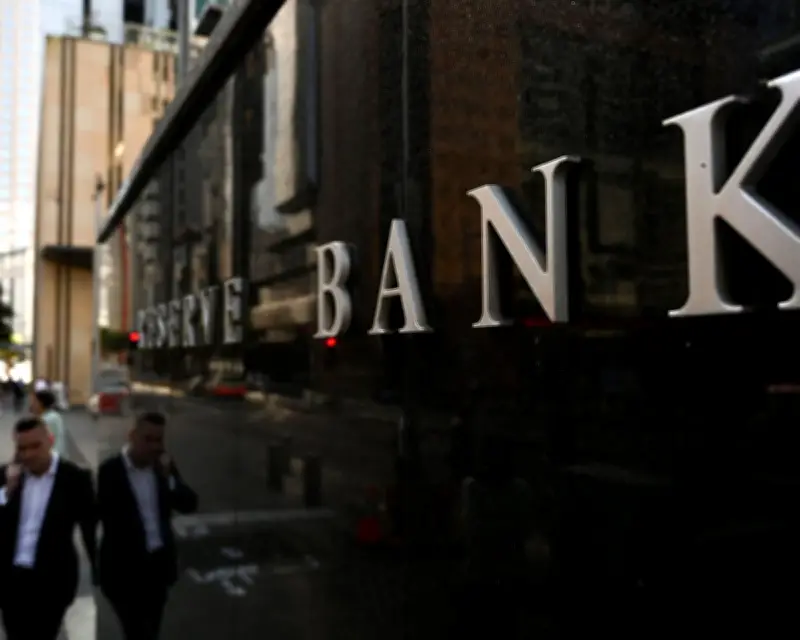
The Reserve Bank of Australia is expected to raise interest rates at least once more this year after a key measure of underlying inflation increased in May, despite a sharp drop in fuel prices that pulled headline inflation lower.
Headline inflation falls, but underlying pressures persist
Annual headline inflation fell to 4% in May from 4.2% in April, according to the Australian Bureau of Statistics, driven by a nearly 12% decline in petrol prices. This was below the consensus forecast of 4.4%.
However, the trimmed mean measure of inflation, which the RBA prefers as it excludes volatile items, rose to 3.6% from 3.4% in April. This increase signals that underlying price pressures remain strong.
Economists divided on rate path
Treasurer Jim Chalmers welcomed the lower headline figure but acknowledged ongoing risks. “We know that there are still inflationary pressures in our economy,” he said.
Financial markets currently assign a 32% probability of a rate hike at the RBA’s August meeting and a 56% chance of an increase by year-end.
Sally Auld, chief economist at NAB, argued that the data reduces pressure for a hike. “At the margin, the pressure to take interest rates higher isn’t as compelling,” she said, predicting the next move would be a cut, though not for another year.
In contrast, Shane Oliver of AMP maintained his expectation of a fourth rate hike in August, citing the rise in underlying inflation. “There’s probably still more impact to come to food prices from higher fertiliser prices, and that’s going to worry the RBA,” Oliver warned.
Supply chain pressures evident
Evidence of pass-through from higher fuel costs appeared in home building costs, which rose 0.9% in May—the largest monthly increase since late 2022—pushing annual growth to 5.6%. Food and drink inflation also accelerated to 3.3% annually, up from 2.8% in April, including a 4% rise in restaurant and takeaway meals.