Government Expands Raneem’s Law to 12 Additional 999 Control Rooms
Natalie Fleet, Minister for Safeguarding and Violence Against Women and Girls, has announced Phase Two of Raneem’s Law, which will place domestic abuse specialists in 12 more 999 emergency control rooms across England and Wales. This expansion triples the number of sites where the initiative is operational, building on the initial pilot in five police force areas.
The announcement comes as part of the Prime Minister’s Violence Against Women and Girls (VAWG) Strategy, which includes over 200 pledges to prevent violence, pursue perpetrators, and support victims. The government aims to halve violence against women and girls within a decade, a commitment Fleet described as the measure by which the government will be judged.
Background: The Tragic Case That Sparked Change
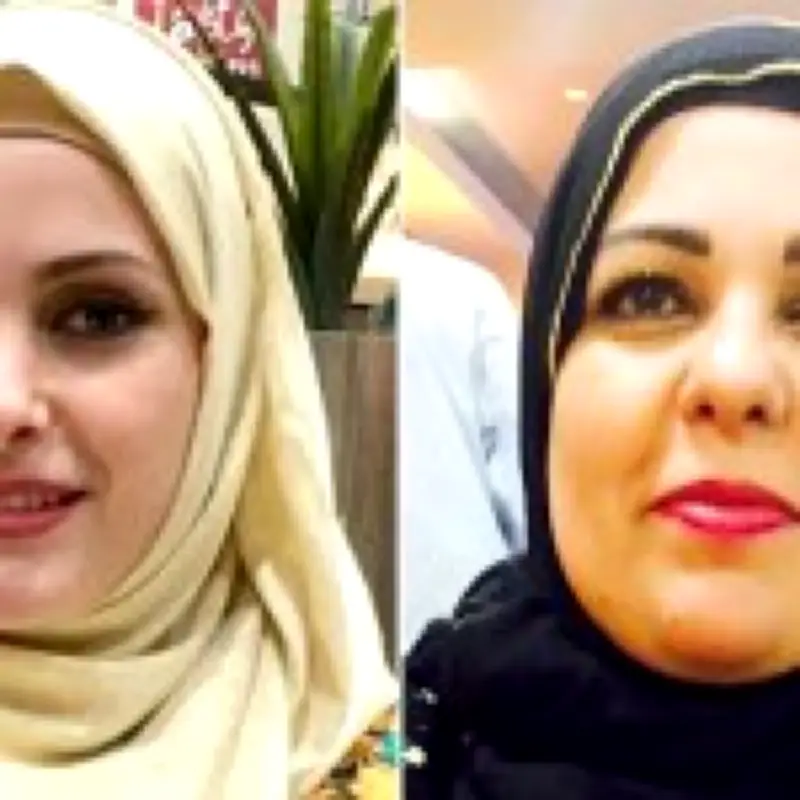
Raneem’s Law is named after Raneem Oudeh and her mother Khaola Saleem, who were murdered in 2018. On the night of their deaths, Raneem called 999 four times seeking help. In the months prior, 13 other reports had been made to police about concerns for her safety. Despite doing everything victims are advised to do—reporting her abuser, calling for help, and repeatedly reaching out—Raneem was killed. Fleet called this “more than a failure” and “a moral aberration.”

Nour Norris, Raneem’s aunt, campaigned tirelessly for the law, which was launched to ensure no other victim faces such systemic failures. The initiative places domestic abuse specialists inside 999 control rooms to oversee call assessments, provide real-time expert advice to call handlers and officers, review cases and risk assessments, support staff training, and ensure victims are quickly referred to specialist services.
Phase One Results and Phase Two Expansion
The initial pilot operated in West Midlands, Northamptonshire, Bedfordshire, Humberside, and Northumbria. Early police reports indicate stronger engagement with victims, quicker identification of high-risk cases, and faster, better-informed protective actions. Phase Two extends the program to 12 additional control rooms, with the goal of full rollout across all police forces in England and Wales by 2029.
Fleet emphasized that every victim, regardless of location, should be able to rely on a system built to protect them. She stated, “Because this work matters. Not just because of the laws we pass or the actions we take. But because of what it says about who we are as a country and whose safety we choose to prioritise.”
Scale of the Crisis: One in Eight Women Affected
Fleet, a survivor of abuse herself, highlighted the shocking scale of violence against women and girls. Last year, one in eight women experienced domestic abuse, sexual assault, or stalking. Approximately 3.8 million people were affected by domestic abuse alone. Police record around 200 rapes daily, though many more go unreported. Fleet stated, “No society that tolerates this level of violence can claim to be safe for women and girls.”
The government’s VAWG Strategy, launched by the Prime Minister at the end of 2025, includes over 200 pledges. Fleet stressed that the full power of the state will be deployed to halve these crimes within a decade. She also praised Metro’s “This Is Not Right” campaign for shining a light on the national emergency, saying, “For too long, we’ve said ‘enough is enough’ and continued as we were. We owe it to Raneem, to Khaola, and to every victim of abuse whose life has been cut short. We cannot afford to fail.”