
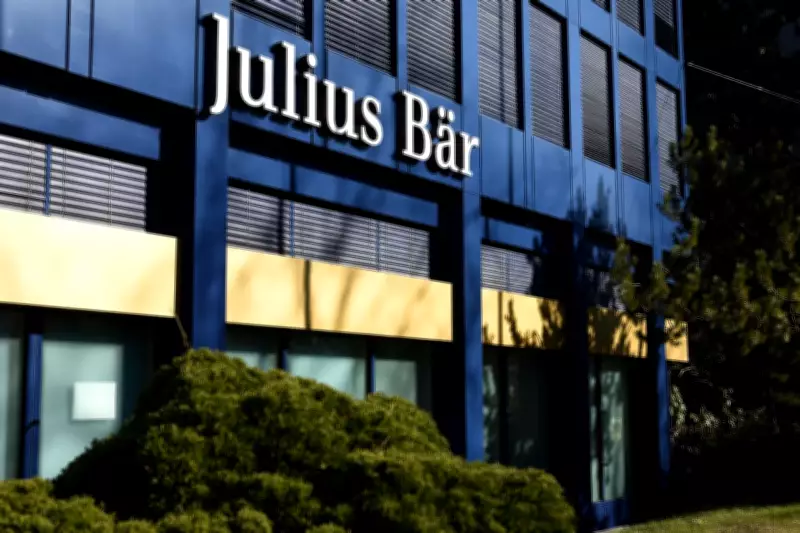
Julius Baer, the Swiss wealth manager, has indicated that a comprehensive risk review and the ongoing war in the Middle East are dampening client inflows. The bank, which has been under scrutiny following the collapse of Greensill Capital, is reassessing its risk management framework, a process that has temporarily slowed new business.
Impact of Geopolitical Tensions
The conflict in the Middle East has added to the uncertainty, with many clients adopting a wait-and-see approach. The bank noted that while the long-term outlook remains positive, short-term inflows have been affected by these external factors. Julius Baer's assets under management have seen modest growth, but the pace of new money entering the firm has decelerated.
Risk Review Process
The risk review, initiated after the Greensill scandal, involves a thorough examination of the bank's lending practices and exposure to illiquid assets. This internal overhaul is expected to strengthen the bank's risk culture but has also led to a more cautious stance from clients. The bank's CEO, Philipp Rickenbacher, emphasized that the review is a necessary step to restore trust and ensure long-term stability.
Market Reaction
Investors have responded cautiously, with Julius Baer's shares experiencing some volatility. Analysts note that the bank's focus on risk management is prudent, but the short-term impact on inflows is a concern. The bank continues to see net new money from other regions, partially offsetting the slowdown.
Outlook
Looking ahead, Julius Baer expects the risk review to be completed by the end of the year, after which the bank anticipates a normalization of inflows. The Middle East situation remains a key variable, but the bank is confident in its ability to navigate the challenges. The wealth management sector as a whole is facing headwinds from geopolitical tensions and economic uncertainty, but Julius Baer's strong brand and client relationships are expected to support its recovery.




