Powerful US utilities are quietly funding a network of front groups to thwart the growing push for publicly owned electricity, as communities across the country express frustration over high bills, outages, and slow clean energy transitions. From Ann Arbor, Michigan to San Diego, California and St Petersburg, Florida, residents are exploring municipalization to join roughly 2,000 public power companies nationwide.
Front Groups in Action
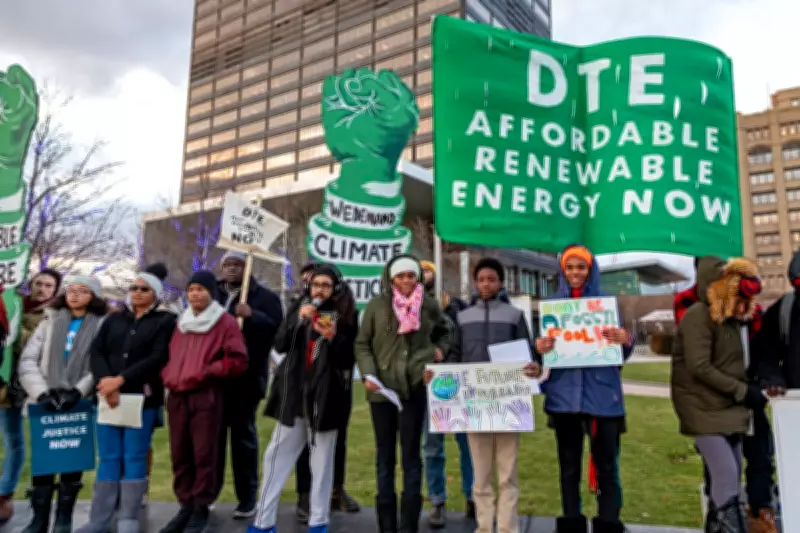
In Ann Arbor, the Ann Arbor Responsible Energy Coalition (A2rec) appears to be a local grassroots group opposing public power, but state filings show its mailing address is DTE Energy's headquarters. Campaign finance records reveal nearly $2 million in funding from DTE, its contractors, and industry consultants. Sean Higgins, president of Ann Arbor for Public Power (A2P2), said utilities fund these groups because public power threatens their profits.
Similar tactics are used in Florida, where industry-backed groups like Clearwater Energy Alliance and Pinellas Energy Alliance oppose municipalization of Duke Energy's grid. Investigations found connections to Willy Ritch, a Democratic strategist and utility operative, who also helped defeat a 2023 public power vote in Maine.
Deceptive Claims
Front groups distribute materials warning of crushing costs, such as a $1 billion debt and 40% rate increases in Ann Arbor. Public power advocates call these claims wildly inaccurate, citing an independent city study estimating costs at $300 million with quick bill reductions. DTE Energy touted its grid improvements but did not address its role in A2rec.
Backlash and Effectiveness
While the industry defeated Maine's public power push, advocates say the campaigns may backfire. In St Petersburg, hiring canvassers from plasma center parking lots generated suspicion. Yousef Rabhi, a former state representative and mayoral candidate, said DTE's tactics are an attempt to deceive voters, adding that the fight indicates public power is the right path.
Public power companies offer bills about 14% lower on average than private utilities, as they do not need to generate profits for Wall Street investors. Advocates continue to push for municipalization, aiming for a November ballot in Ann Arbor.