Unilever Forges $44.8 Billion Partnership with McCormick for Food Division Spin-Off
In a landmark corporate restructuring, Unilever has finalized a monumental $44.8 billion agreement to merge its extensive food portfolio with the American condiments giant McCormick. This strategic maneuver will establish a distinct corporate entity, predominantly under Unilever's control, while McCormick assumes leadership of the newly formed organization.
New Entity Structure and Brand Portfolio
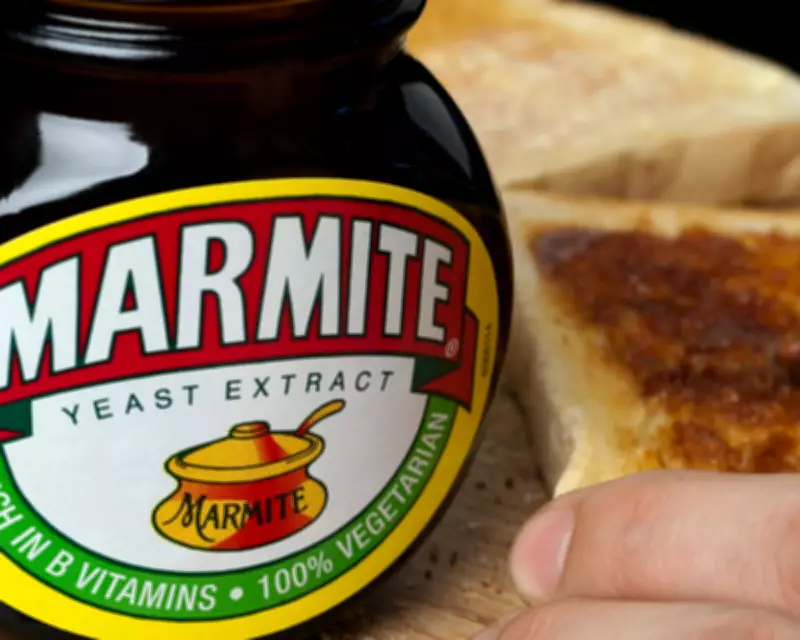
The Anglo-Dutch conglomerate will retain a commanding 65% stake in the spin-off company, which will amalgamate Unilever's iconic food brands with McCormick's renowned product lines. This fusion brings together household names such as Knorr, Pot Noodle, Hellmann's, and Marmite from Unilever's arsenal, alongside McCormick's staples including French's mustard, Old Bay seasoning, and Cholula hot sauce.
Despite Unilever's majority ownership, the combined enterprise will operate under the McCormick banner and be steered by its executive team, with significant managerial input from Unilever's food division veterans. The transaction involves McCormick disbursing $15.7 billion in cash and issuing shares valued at $29.1 billion to acquire a substantial interest in nearly all of Unilever's food operations.
Operational Integration and Financial Implications
Post-merger, the consolidated company is projected to achieve annual cost reductions of approximately $600 million by the conclusion of the third year, primarily through optimizations in manufacturing, distribution, and supply chain procurement. The organization will maintain McCormick's global headquarters in the United States and its New York Stock Exchange listing, while establishing an international hub at Unilever's existing food base in the Netherlands.
Unilever's food segment, which employs research, development, and marketing personnel across the United Kingdom and operates production facilities in Crumlin, Wales, and Burton-on-Trent, will integrate into this new framework. Company officials have emphasized that the primary objective is to catalyze growth, with detailed assessments regarding potential workforce impacts still pending.
Strategic Repositioning and Market Response
This transaction signifies a pivotal shift for Unilever, redirecting its core focus toward the beauty, personal care, and home products sectors. This realignment positions the corporation to directly contend with industry titans such as L'Oréal, Beiersdorf, and Estée Lauder. Unilever's chief executive, Fernando Fernández, articulated that this move "unlocks trapped value through a growth-led separation of foods, creating a scaled, global flavour powerhouse."
Financial markets reacted swiftly to the announcement, with Unilever's shares plummeting nearly 7% and McCormick's stock declining by 5.6% in the United States. Analysts from Jefferies noted that the deal might diminish global economies of scale, potentially prompting Unilever to pursue acquisitions in the health and beauty domains to compensate.
Historical Context and Future Prospects
This agreement culminates nearly a century of Unilever's dominance in the food sector, following a series of divestitures including its spreads business in 2017, most of its tea division in 2022, and the ice-cream unit last year. The new entity, boasting combined annual revenues around $20 billion, plans a secondary stock listing in Europe to accommodate Unilever's international shareholder base.
Exclusions from the deal encompass Unilever's Indian operations and brands like Horlicks and Boost. Executives from both companies have expressed confidence in the integration process, citing detailed roadmaps and experienced teams to harness the full potential of this partnership.