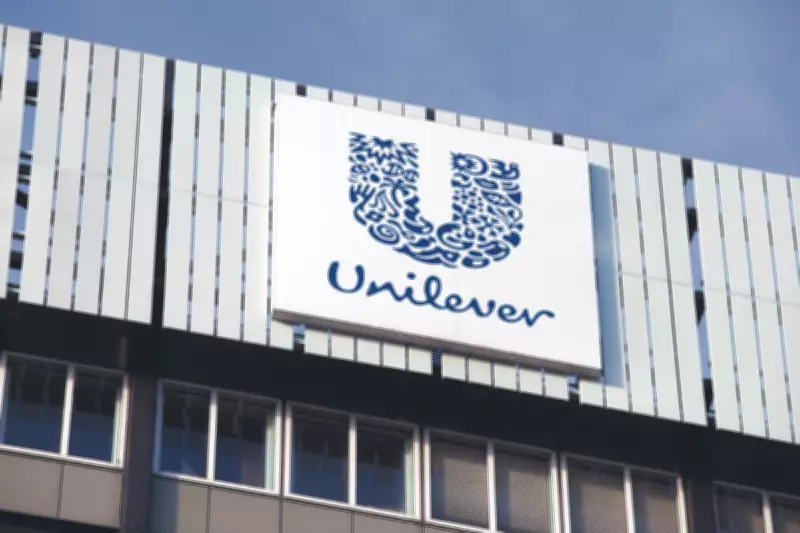
Unilever Halts Global Recruitment for Three Months as Middle East Conflict Intensifies
FTSE 100 consumer goods giant Unilever has implemented an immediate global freeze on hiring across all levels of recruitment, a move that will last for a minimum of three months. The London-based company, which owns iconic brands such as Dove soap and Hellman's mayonnaise, cited the "significant challenges" created by the ongoing Iran war as the primary reason for this drastic measure.
Supply Chain Disruption and Rising Costs
The conflict in the Middle East, particularly the blockage of the crucial Strait of Hormuz shipping passage, has severely choked global supply chains and sent fuel prices soaring to unprecedented levels. These transit delays are making international shipping substantially more expensive, while the manufacturing costs for essential plastic packaging materials have also increased dramatically.
Fabian Garcia, head of Unilever's personal care business, emphasized in an internal memo that "macro economic and geopolitical realities, especially in the Middle East conflict [...] bring some significant challenges for the coming few months." The Unilever Leadership Executive team unanimously agreed to the recruitment freeze in response to this "uncertain" external environment, with plans to adjust their strategy as necessary moving forward.
Strategic Restructuring Continues
This hiring freeze comes as Unilever continues its ambitious restructuring program that began even before the Iran war erupted in February. Under the leadership of CEO Fernando Fernandez, who took charge in March last year, the company has been pivoting toward its beauty and personal care brands while streamlining operations to become what Fernandez describes as a "simpler, sharper and faster Unilever."
The company's transformation plan includes shedding approximately 7,500 jobs over three years, including 200 managerial positions, as Fernandez targets what he calls "mediocrity" within the organization. These cuts are part of a broader €800 million cost-saving initiative designed to enhance operational efficiency and profitability.
Food Brands Divestment Progresses
Simultaneously, Unilever is advancing plans to divest its entire food brands division, following last year's successful spin-off of its ice cream business that included popular brands like Magnum and Ben & Jerry's. The company confirmed earlier this month that it is in advanced discussions with US spice and seasoning manufacturer McCormick regarding the sale of its food arm.
The proposed deal would merge McCormick with Unilever's food businesses, with the American firm providing nearly $16 billion in upfront cash. Unilever and its shareholders would retain a 65 percent stake in the newly formed entity. While analysts have expressed concerns about the complexity of this transaction given McCormick's smaller size compared to Unilever's food division, company representatives indicated that an agreement could potentially be finalized imminently.
Unilever stated: "Work remains ongoing to agree and finalise a transaction and it is possible that an agreement could be concluded today, although there can be no certainty that a transaction will be agreed." This strategic shift away from food brands represents a significant reorientation of Unilever's business portfolio toward higher-margin personal care and beauty products.
The combined impact of geopolitical instability, supply chain disruptions, and internal restructuring creates a challenging landscape for one of Britain's largest multinational corporations as it navigates both external crises and internal transformation simultaneously.