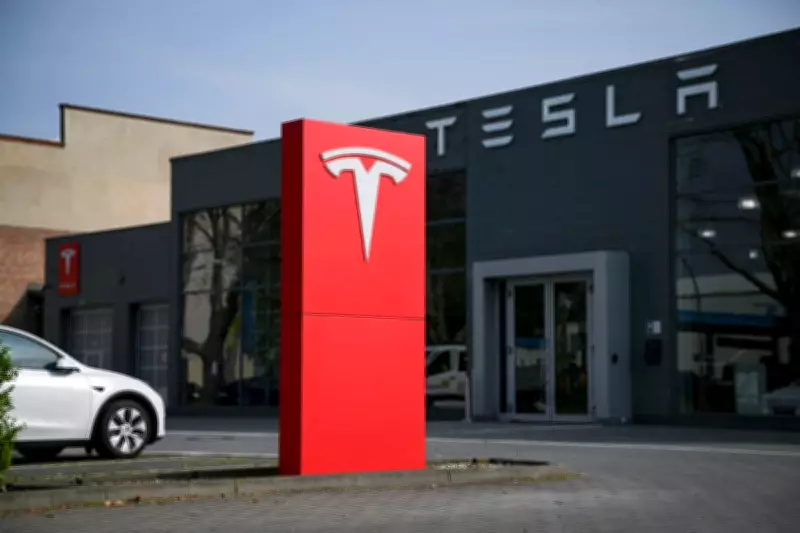
Tesla disclosed its first-quarter earnings on Wednesday, revealing a complex financial picture with some positive surprises but notable shortcomings. The report did little to significantly boost Tesla's stock, which has underperformed this year as CEO Elon Musk aggressively promotes the company's shift toward humanoid robots and self-driving robotaxis. Meanwhile, Tesla's core automotive business faces mounting pressure from Chinese competitors and backlash related to Musk's political engagements.
Financial Highlights and Market Reaction
Tesla announced earnings of 41 cents per share after market close, surpassing Wall Street's forecast of 37 cents per share. The company also reported a positive free cash flow. However, revenue fell short of expectations at $22.39 billion, below the estimated $22.6 billion. Initially, Tesla's stock rose over 3% following the earnings release, but those gains were erased after Musk outlined plans for substantial capital expenditures this year.
Musk's Vision and Investor Skepticism
During the earnings call, Musk adopted an unusually subdued tone while detailing Tesla's projects, yet he reiterated bold claims about the transformative potential of its robotics and self-driving technologies. Investors pressed Musk on the timeline for these ambitious goals, seeking reassurance about future growth. "Tesla is working on a lot of large ambitious projects," Musk stated, offering brief remarks that underscored the company's pivot from traditional automaking to AI and autonomous systems.
The earnings report arrives as Tesla continues to reposition itself, emphasizing investments in AI, autonomous vehicle technology, and robotics. Despite Musk's grandiose promises, Tesla's stock has lagged behind mega-cap rivals, declining approximately 11% year-to-date. The company's self-driving cars are operational in several Texas cities, including Austin, its headquarters. Tesla also noted preparations to launch robotaxis in three Florida cities and Las Vegas.
Challenges in Core Auto Business
Tesla's automotive segment struggles persist. Earlier this month, the company reported delivering around 358,000 vehicles globally in the first quarter, missing analyst projections. In the United States, demand has waned following the Trump administration's decision to end a key electric vehicle tax credit in 2025. After a stock price drop at the start of 2025 amid backlash over Musk's political involvement, shares have since recovered to near pre-Trump levels.
To navigate these challenges, Tesla announced earlier this year the discontinuation of two flagship models, the Model S and Model X. The Cybertruck, its latest new model, has not achieved significant sales success. Reports indicate Tesla is developing a smaller, cheaper electric car to compete with Chinese automakers like BYD.
Robotics and Future Prospects
In previous earnings calls, Musk has touted upcoming products as revolutionary, claiming the Optimus robot will be the "biggest product of all time" and that self-driving technology could eliminate poverty. However, tangible benefits and revenue from these robotics and robotaxi projects remain unrealized, fueling ongoing investor questions about delivery timelines. Despite these uncertainties, Tesla shareholders voted in November to award Musk a $1 trillion pay package.
As Tesla grapples with flagging vehicle demand and positions itself within the AI boom, investor attention has increasingly shifted toward Musk's other ventures, particularly SpaceX. The satellite communications and rocket company confidentially filed for an initial public offering this month, seeking a valuation of $1.75 trillion.