
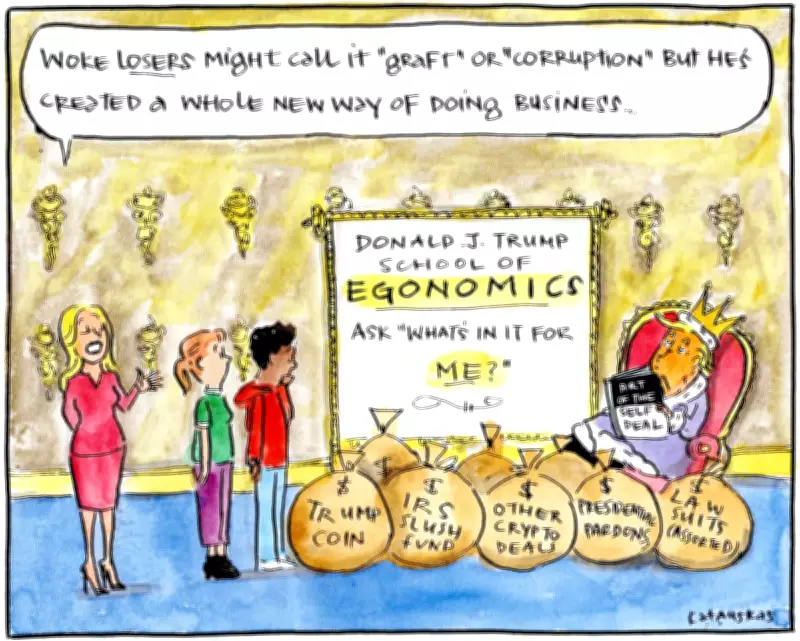
Donald Trump's financial success has long been a subject of fascination and debate. While some attribute it to his savvy real estate investments and branding acumen, others point to controversial practices and inherited wealth. This article delves into the key factors that have shaped his financial trajectory.
Real Estate Empire
Trump's fortune is primarily rooted in real estate. He inherited a substantial business from his father, Fred Trump, and expanded it aggressively. His projects, from Trump Tower to luxury hotels, have often been high-profile, though not all have been profitable. Bankruptcies and legal battles have marked his career, but he has consistently rebranded himself as a successful businessman.
Branding and Licensing
Beyond property, Trump capitalized on his name. The Trump brand has been licensed for everything from steaks to universities, generating revenue with minimal investment. This strategy amplified his public image as a mogul, even when his actual holdings were leveraged.
Controversies and Criticisms
Critics argue that Trump's success is overstated. They highlight multiple business failures, lawsuits, and allegations of tax avoidance. His financial disclosures have often been opaque, making it difficult to assess his true net worth. Nevertheless, his ability to maintain a perception of wealth has been a key asset, particularly in politics.
In conclusion, Trump's financial success is a mix of inherited wealth, bold real estate moves, strategic branding, and a knack for self-promotion. Whether one views him as a genius or a charlatan, his impact on business and politics is undeniable.




