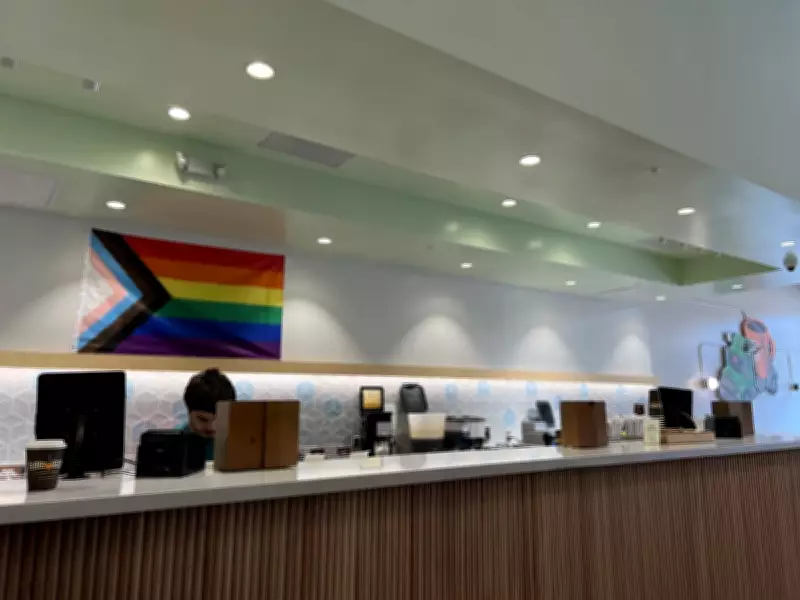
California Coffee Chain Philz Faces Intense Criticism Over Pride Flag Removal Policy
Philz, the popular San Francisco-based coffee chain with numerous locations across California, is confronting substantial public backlash following revelations about its decision to remove Pride flags from store premises. The company's announcement has sparked immediate controversy within communities that have long viewed Philz as an inclusive establishment.
Corporate Statement Sparks Immediate Controversy
Mahesh Sadarangani, the CEO of Philz, explained the decision in a statement, describing it as part of an effort to "create a more consistent, inclusive experience across all our stores, including removing a variety of flags and other decor." Sadarangani emphasized that "our longstanding support of the LGBTQIA+ community is unchanged" and characterized the move as "a change in how our stores look, not in who we are."
Despite these assurances, the response from customers and community members has been overwhelmingly negative. The chain, which operates seventeen locations in San Francisco alone, found itself at the center of a growing protest movement within hours of the news breaking.
Petition Gathers Thousands of Signatures in Protest
By Friday morning, more than four thousand people had signed a petition urging Philz to reconsider its decision regarding Pride flag removal. The petition specifically cites the "deep meaning and value" these flags hold for both staff members and visitors, describing them as powerful symbols of "safe and welcoming spaces" within the community.
The petition statement argues that "removing these flags risks alienating a core group of team members and loyal customers who see Philz not just as a coffee shop, but as a place where they are embraced and celebrated for who they are." This sentiment reflects broader concerns about corporate support for marginalized communities during a period of increasing political polarization.
Community Members Express Outrage and Disappointment
Supporters of the petition have voiced profound frustration with Philz's decision. One commenter, who identified themselves as a former Philz barista with years of service, stated: "Philz has made their branding and fortune off of supporting the LGBTQ community. This is a slap in the face to all of your employees."
This perspective highlights the tension between corporate branding and genuine community engagement, particularly for businesses that have built their reputation on inclusive values. The coffee chain has historically been viewed as a welcoming space for LGBTQ+ individuals, with visible Pride flag displays and annual fundraising initiatives supporting LGBTQ+ organizations.
Historical Context and Current Climate
The controversy emerges against a backdrop of increasing challenges for LGBTQ+ communities across the United States. Recent years have witnessed numerous instances of Pride flag removal from schools, businesses, and government buildings, creating what many describe as a hostile political environment for queer and transgender individuals.
In February, the Trump administration removed a Pride flag from the Stonewall national monument, an action that symbolized broader tensions around LGBTQ+ visibility and rights. Philz's decision, while framed as an aesthetic standardization effort, enters this charged political landscape at a particularly sensitive moment.
Current Status and Company Response
As of Wednesday, Pride decorations reportedly remained in place at Philz locations in downtown San Francisco and the Castro neighborhood, which has long served as a cultural center for the city's LGBTQ+ community. The Castro location featured a sign reading: "Welcome to the Queerest coffee shop in town. Period," according to local newspaper reports.
The company maintains that it "remains committed to serving as an ally to the LGBTQ+ community" and plans to continue its annual fundraiser supporting LGBTQ+ organizations. Philz has not announced a specific timeline for implementing the flag removal policy, leaving open questions about how the controversy will ultimately resolve.
This situation illustrates the complex challenges businesses face when balancing corporate standardization with community-specific expressions of support, particularly for companies operating in culturally diverse regions like the San Francisco Bay Area.