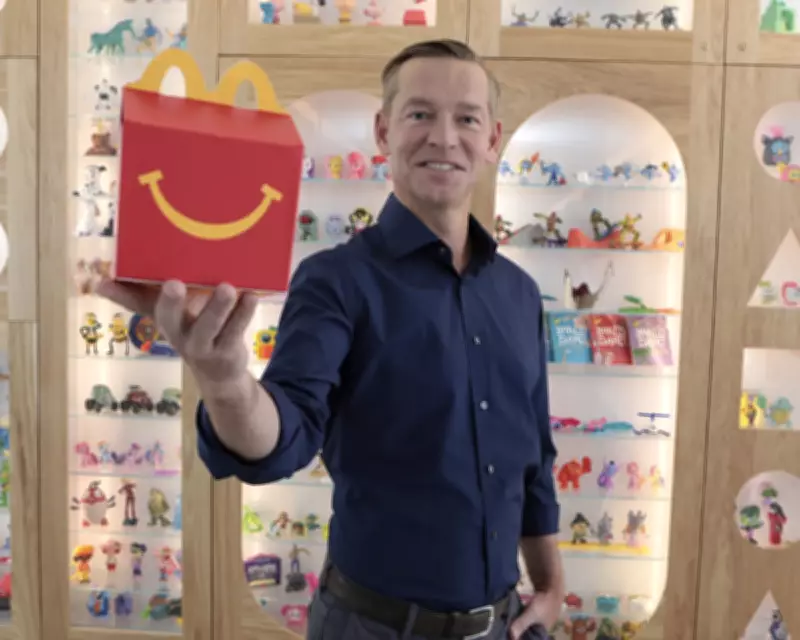
McDonald's CEO Gianni Infantino Aligns with Trump's Elite Boss Class
In a significant development that underscores the growing intersection of corporate power and political influence, McDonald's CEO Gianni Infantino has officially joined Donald Trump's elite boss class. This move positions Infantino among a select group of high-profile business leaders who are aligning themselves with Trump's network, raising questions about the future direction of global business and political strategies.
The Rise of the Boss Class
The concept of the boss class refers to a cadre of top executives and entrepreneurs who wield substantial economic clout and are increasingly active in shaping political agendas. Under Trump's leadership, this group has gained prominence, with members leveraging their corporate platforms to influence policy and public discourse. Infantino's inclusion marks a notable expansion of this network into the fast-food industry, a sector with vast global reach and cultural impact.
Implications for McDonald's and Global Business
Gianni Infantino's alignment with Trump's boss class could have far-reaching implications for McDonald's operations and brand image. As CEO, Infantino oversees one of the world's largest fast-food chains, with thousands of locations worldwide and a significant role in global supply chains. This move may signal a shift in corporate strategy, potentially aligning McDonald's more closely with Trump's economic policies and political vision.
Critics argue that such alliances blur the lines between business and politics, risking consumer backlash and ethical concerns. Supporters, however, see it as a pragmatic approach to navigating an increasingly polarized political landscape, where corporate leaders must engage with influential figures to protect their interests.
Broader Political and Economic Context
This development occurs against a backdrop of heightened political tensions and economic uncertainty. Trump's boss class has been instrumental in advocating for deregulation, tax cuts, and other pro-business measures, which could benefit companies like McDonald's. Infantino's participation may enhance his influence in policy discussions, particularly on issues like trade, labor, and environmental regulations.
Observers note that this trend reflects a broader shift in global leadership, where corporate executives are playing more visible roles in political arenas. As businesses face pressures from globalization, technological change, and social movements, alliances like these offer a way to consolidate power and shape outcomes.
Potential Challenges and Controversies
Infantino's move is not without risks. McDonald's has faced scrutiny over labor practices, environmental impact, and health concerns, and closer ties to Trump's political network could amplify these criticisms. Additionally, in regions where Trump's policies are controversial, this alignment might affect McDonald's market performance and stakeholder relations.
Key points to consider include:
- The impact on McDonald's brand reputation among diverse consumer groups.
- Potential changes in corporate governance and ethical standards.
- The role of other CEOs in similar networks and their collective influence.
Looking Ahead
As Gianni Infantino integrates into Trump's boss class, the business world will be watching closely to see how this affects McDonald's strategy and the broader corporate-political landscape. This development highlights the evolving nature of leadership in the 21st century, where economic power and political influence are increasingly intertwined.
In summary, Infantino's alignment with Trump's elite network marks a pivotal moment for both McDonald's and global business, raising important questions about the future of corporate responsibility and political engagement.