
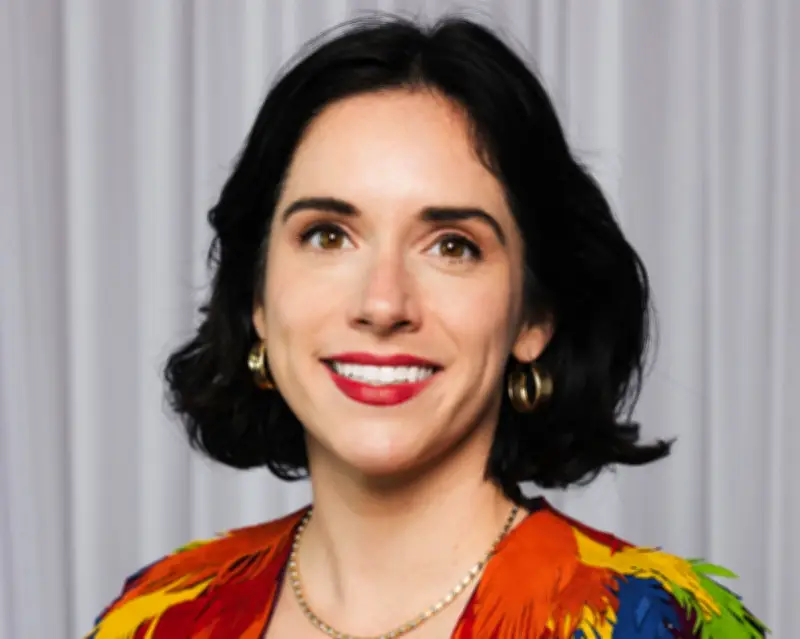
Noelle McEntee wants you to know that wills and trusts are not just for old, rich people. 'You don’t need a butler and a rod iron fence to need an estate plan,' she says. 'If you have anything and you have people you love, even if what you have is very small, it still matters.'
McEntee is the co-founder of Legado, an online platform where you can set up a will or trust and detail other end-of-life wishes. The marketing maven-turned entrepreneur started the company in 2023 after her uncle died without a will, leaving his longtime partner unsure whether she still owned their shared assets – or even if she could stay in their home. 'That made me realize how backwards this process can be,' McEntee said. She wanted to build an inclusive estate planning business in step with the evolving nature of family: more people are forgoing marriage, fewer are having children and more relationships don’t fit traditional molds.
When Should People Start Thinking About Estate Planning?
'Now,' McEntee says. 'You never know what’s going to happen – when there’s going to be an awful health incident or a bike accident or, the classic example, you get hit by a bus. Having at least an advanced medical directive in place is always worth it. Planning for your death doesn’t make it come any faster; it just takes away its power.'
What Is the Difference Between a Trust and a Will?
A revocable living trust puts your assets – like property, savings, retirement accounts and life insurance – into the care of a controlling trustee, with beneficiaries to inherit its contents. Unlike a will, a trust doesn’t become public and it doesn’t typically go through probate after your death. A will is a document that states your wishes, but it’s made public, and anyone can contest it, so many wills end up in probate, a court process where a judge makes final decisions based on state laws and also what they think. If you die without any plan, which is called intestate, your estate automatically goes through probate (excluding any jointly owned assets or those with named beneficiaries). It takes a little more work and cost upfront to implement a trust, but that could be less expensive than having your estate go through probate later, which takes on average 16 months and can cost 3% to 8% of the total estate in attorney’s fees.
How Much Does It Cost to Set Up a Basic Estate Plan?
Legado offers a basic will for $99 (typically a cost of $300 to more than $1,000) and a trust for $599 (typically $1,500 to $3,000). Documents are created by attorneys, and you have the option to add a live attorney review or a consultation for more direct legal support. 'Know that not everything needs to be super custom. Many states offer free templates for a lot of typical forms, like an advanced medical directive and guardianship designation for kids. You don’t need to spend a lot of money on something like that. Think about the things that might be atypical in your situation and spend money on that versus hiring an attorney for the works.' In general, it shouldn’t cost you more than $2,500 to set up a revocable living trust. If an attorney says it’ll cost more, have them explain the hourly work involved in creating your trust that differs from most people’s.
What’s Your Best Tip for Saving Money on Estate Planning?
'Don’t put it off. There’s always going to be one more thing that keeps you from starting, but dying intestate is actually the most expensive for your family. Even if your plan isn’t perfect, if you give someone a little bit of direction, it’s a lot easier.' Settling an estate can become very expensive, especially if you have to hire an attorney. You can also explore tools like EverSettled, Scrivnr, One Step After to settle the estate, and Sunset lets you upload a death certificate and search financial institutions and unclaimed property databases to find assets you might not even know exist.
What Is the Worst Piece of Estate Planning Advice?
'It’s pretty common for people to suggest you just put your kid as a co-owner on your bank account or on the deed to your home. But that can expose your assets to your child’s creditors, lawsuits or divorces. If they get sued or their spouse gets sued, your asset could be at risk. It also comes with a tax disadvantage. For example, if your mom buys a house for $100,000 and it’s worth $500,000 by the time she dies, you can inherit it through a will or a trust and sell it for $510,000 and only have to claim $10,000 of that gain. If you instead were added to the deed as a co-owner and then you sell it, you [can be taxed on] the full $410,000 in gain.'
What Conventional Wisdom About Estate Planning Drives You Crazy?
'That it’s for old rich people! You don’t need a butler and a rod iron fence to need an estate plan. If you have anything and you have people you love, even if what you have is very small – your record collection, your writing, your volunteer work, your family recipes, your church community – it still matters. Maybe you want everyone at your funeral to donate to a soup kitchen or local shelter. You don’t have to have assets for your legacy to have a positive impact on your community.'
What’s One Common Mistake People Make?
'People tend to assume that they’re automatically included in their spouse’s estate plan; they’re not. Making an estate plan is one of the best audits you can do to know where all of your assets are and even to gather information like passwords and digital accounts so a surviving spouse can still pay the mortgage or cellphone bill. My personal suggestion is to revisit your plan each year on your half-birthday. That way, no more than a year goes by between check-ins. Confirm your beneficiary designations on life insurance, retirement accounts and bank accounts are all correct. They should name your partner or beneficiary directly as TOD (transfer on death) or POD (payable on death), or they should list your trust. Unless you recently got married or divorced, had a child, bought a home or received a medical diagnosis, there likely won’t be much to update. Another mistake I see is that people don’t actually fund their trust, because they don’t realize they have to take this step.'
How Do You Recommend Keeping Track of Plans?
'Document all of your wishes, and tell people where the paperwork is. You can also send photos of the paperwork or the digital copies to those same people via email. I also recommend using a password manager for all of your digital accounts, telling those people which one you use and sharing the passkey with your will or trust information. Similarly, set someone you trust as a legacy contact for your Apple or Google accounts, so they can access information in your phone. This isn’t the same thing as an emergency contact!'
Why Do Most Americans Wait Until Their 70s?
'Most people don’t create an estate plan until there’s a trigger: someone else’s death, divorce, marriage, buying a home, having a child, disability or entering a new decade. I usually recommend setting a deadline of your next half-birthday. Admin nights are also becoming a thing, where people get together and share experiences and hold each other accountable to doing admin work; estate planning can be part of that. At the end of the day, remember you’re doing this work for other people in your life. It’s the greatest, last gift you’ll give them.'




