Apple's Leadership Transition: John Ternus Takes Helm Amidst Critical Challenges
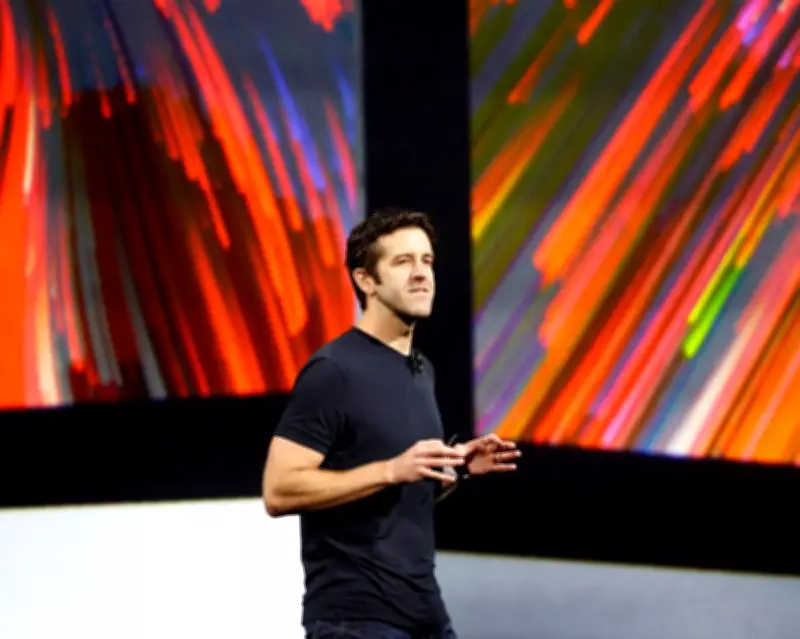
John Ternus, Apple's current head of engineering, is set to assume the role of chief executive officer in September, succeeding the long-serving Tim Cook. This internal promotion places Ternus at the helm of one of the world's most valuable companies, with Apple's market capitalization standing at an impressive $4 trillion. While Apple remains a dominant force in global technology and maintains its status as one of the most recognizable brands worldwide, the incoming CEO faces a complex array of challenges that will define his tenure.
1. Revitalizing Apple's Artificial Intelligence Strategy
Artificial intelligence represents a surprising area of vulnerability for Apple, particularly when compared to competitors like Microsoft, Google, Meta, and Amazon. These tech giants have collectively invested hundreds of billions of dollars into AI development, while Apple has largely remained on the sidelines. The company's current approach involves strategic partnerships, most notably with Google's Gemini technology, which will power an enhanced version of Siri, Apple's voice assistant.
Dan Ives, a prominent analyst at Wedbush Securities, emphasizes the urgency of this situation: "We cannot stress this enough—Apple cannot afford to be a mere spectator during this fourth industrial revolution centered on artificial intelligence. Essentially, Apple currently functions as a toll collector on the consumer AI highway. Ternus must fundamentally realign and perfect the company's AI strategy to ensure Apple becomes an active participant rather than a passive observer."
2. Diversifying Beyond iPhone Dependency
This challenge presents something of a paradox for Ternus, who has earned considerable praise both internally and externally for his successful oversight of recent iPhone model launches. The iPhone, undoubtedly one of the most iconic consumer products of the twenty-first century, accounted for just over fifty percent of Apple's $416 billion in sales last year, with approximately 1.5 billion active users globally. However, the smartphone market has reached saturation point and faces intense competition.
Thomas Husson, an analyst at Forrester Research, articulates the necessity for change: "Apple must diversify its revenue streams away from the iPhone and ensure that this single product no longer represents half of their total income." Ternus, aged fifty-one, will likely explore emerging opportunities including Apple's collaboration with former iPhone designer Jony Ive through OpenAI, potential foldable iPhone models, reported investigations into personal robotics, and possible wearable devices like an Oura-style smart ring.
Ives further elaborates: "Future innovation surrounding foldable phones, AI-enabled smartphones, more affordable and sleek Apple Glasses, and other hardware developments will constitute the very heart and lungs of Apple's continued success. While supply chain management, political navigation, and brand maintenance remain important, innovation ultimately defines Apple's future trajectory and will determine Ternus's legacy."
3. Navigating Complex Geopolitical Landscapes
As a $4 trillion corporation with products in billions of pockets and homes worldwide, Apple confronts significant diplomatic, political, and regulatory challenges. Tim Cook has meticulously managed relationships with political figures, including former President Donald Trump, and Ternus must continue this delicate balancing act. Trump's tariff policies and persistent calls for Apple to relocate iPhone manufacturing from China to the United States present ongoing complications.
Simultaneously, Apple must maintain its crucial relationship with China, which serves as its third-largest market behind Europe and the United States and remains the primary assembly location for most iPhones. Regulatory pressures are mounting in Europe and the United Kingdom regarding Apple's App Store policies, which have long frustrated developers who object to the company's substantial cuts from app and in-app purchases.
Husson highlights the magnitude of this challenge: "Ternus will need to address massive geopolitical issues, including diversifying Apple's supply chain away from China and managing relationships with Donald Trump. Navigating this period of intense geopolitical tension—while simultaneously dealing with Trump, European Commission President Ursula von der Leyen, and Chinese authorities—represents an enormous undertaking."
4. Expanding Apple's Services Business
One of Tim Cook's most notable achievements has been transforming Apple's services division into a $110 billion annual business. This unit encompasses Apple's technical support services, Apple Music, and Apple TV streaming platforms, which have produced acclaimed original content like Severance and Ted Lasso. The services business offers high profit margins and consistent revenue streams—attributes that any executive would prioritize.
Husson identifies the next phase of this expansion: "The ongoing challenge involves maintaining and developing consumer trust to facilitate entry into adjacent markets such as healthcare and financial services. Building upon Cook's successful foundation while exploring new service-oriented opportunities will be crucial for Ternus's leadership."
As John Ternus prepares to assume leadership of Apple this September, these four critical areas—artificial intelligence strategy, product diversification beyond the iPhone, geopolitical navigation, and services expansion—will define his early tenure and determine the future direction of one of the world's most influential technology companies.