Tool Theft Epidemic Cripples UK Tradespeople, Sparking Calls for Urgent Action
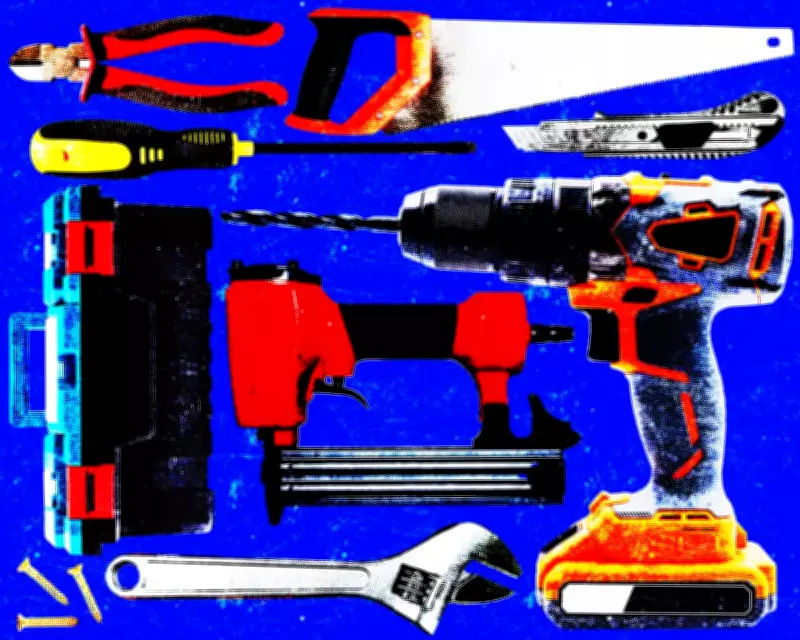
More than 80% of the United Kingdom's tradespeople have experienced the theft of their tools, a crisis that has surged by 16% in just one year, leaving countless individuals financially devastated and living in constant fear. This rampant crime not only results in direct losses from stolen equipment but also forces cancellations of work, inflicting severe economic strain on small businesses and self-employed workers across the nation.
Personal Stories Highlight the Human Cost
Kevin Tingley, a 39-year-old decorator known as Paint Warrior on social media with millions of followers, fell victim to tool theft on Boxing Day morning. His van was broken into near his home outside Milton Keynes, with thieves making off with the bulk of his equipment. "I had to cancel all my jobs for January and February," Tingley explains, estimating the total cost at around £17,000, including van repairs and tool replacements. Despite reporting the crime, he has seen little progress from police after more than two months, reflecting a broader trend of low recovery rates.
Robin Clevett, a carpenter with nearly four decades of experience, recalls his first tool theft in 1987 and notes that the scale has become "industrial" today. He has altered his work practices, avoiding certain areas and insisting on secure parking, a sentiment echoed by many tradespeople who now operate under the shadow of theft.
Organised Crime and Police Response
Inspector Mark Connolly of the Metropolitan police, part of a joint taskforce in east London, highlights that tool theft is increasingly driven by organised criminal gangs. In a recent raid in Ilford, police discovered stolen tools worth an estimated £2 million, believed to be the largest such haul in UK history. Sergeant Dave Catlow, who works on similar operations, points out that these gangs are highly mobile, shifting tactics from tool theft to other crimes like catalytic converter theft when police pressure intensifies.
Campaigners like Frankie Williams, founder of Stolen Tools UK, and Shoaib Awan, who leads Trades United, have amplified the issue through social media and protests. Awan organised convoys of tradespeople to Parliament Square, demanding government action, and has seen small victories such as car boot sales banning power tool sales. However, many feel abandoned by authorities, despite the construction industry contributing £130 billion annually to the UK economy.
Solutions and Preventive Measures
Authorities advocate for tool marking with substances like SelectaDNA, which assigns unique codes to help police return recovered items. In Hertfordshire, awareness campaigns and secure parking initiatives have led to a decline in thefts over three years. Police and Crime Commissioner Jonathan Ash-Edwards emphasizes, "This is, ultimately, about people's livelihoods. Tradespeople should be able to get up in the morning... and not have to worry whether their tools have been nicked overnight."
Insurance experts like Gary Ross of Blip insurance stress the importance of detailed inventories and policy understanding, noting that insurers pay out on 97% of valid claims. Meanwhile, political efforts include proposed tougher sentencing under the Sentencing Act 2026 and campaigns like the Liberal Democrats' Operation Ironclad, which calls for enhanced van security and stricter sales regulations.
As tool theft continues to escalate, the collective call from tradespeople, police, and campaigners is for sustained focus and concrete measures to protect those who form the backbone of the UK's construction sector.