
Wildlife to Replace Politicians on UK Banknotes: Experts Nominate Fox, Toad, Beaver, Swift
The Bank of England has announced that native British wildlife will feature on the next generation of £5, £10, £20 and £50 banknotes, marking a significant departure from traditional portraits of historical figures. While politicians including Nigel Farage and Ed Davey have expressed opposition to replacing figures like Winston Churchill and Jane Austen with animals, public consultations conducted by the Bank reveal strong support for the switch to wildlife representation.
Regularly updating imagery on currency is a strategic security measure designed to combat counterfeiters. A panel comprising wildlife broadcasters, academics, and conservation experts will compile a shortlist of candidate species, with a public vote scheduled for later this summer to determine the final selections.
Expert Nominations for the New Banknotes
Early favorites for the new designs include beloved garden animals such as hedgehogs and robins, alongside attractive predators like barn owls. In Scotland, the Royal Bank of Scotland already features native species including mackerel, otters, red squirrels, and ospreys on its notes.
Tony Juniper, Chair of Natural England, has proposed championing species that have been successfully reintroduced to England after extinction, such as the white-tailed eagle, large blue butterfly, and lady's slipper orchid. Meanwhile, the RSPCA animal welfare charity advocates for representing less fashionable wildlife, including feral pigeons, foxes, herring gulls, and brown rats.
In this spirit of highlighting underappreciated species, the Guardian convened its own expert panel to recommend wild candidates for the new banknotes.
£5 Note: Red Fox (Vulpes vulpes)
Nominated by Chris Packham
Red foxes are bold, highly successful predators frequently encountered across urban, suburban, and rural landscapes throughout Britain. They have endured centuries of human persecution and continue to thrive despite ongoing challenges.
The red fox remains a divisive animal, says Packham. While social media celebrates 'fox of the day' photos, illegal foxhunting persists despite legal bans. Featuring animals on banknotes should spark conversations about how we value and treat wildlife. This is an opportunity to spotlight species facing struggles rather than simply celebrating popular favorites like hedgehogs and red squirrels. The red fox is the perfect candidate.
Chris Packham is a renowned naturalist, broadcaster, campaigner, and author.
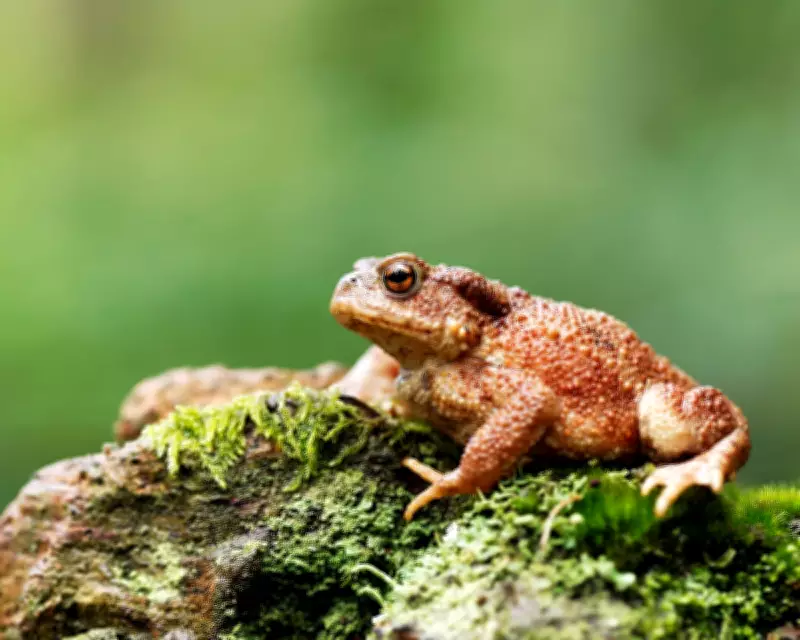
£10 Note: Common Toad (Bufo bufo)
Nominated by Lucy Lapwing
Common toads possess characteristics often deemed unappealing: warty, lumpy skin, slow movement, preference for damp habitats, and diets including slugs and worms. Yet their unique appearance makes them stunningly beautiful upon closer inspection.
Toads exhibit a remarkable 'not-giving-a-fuck' attitude, explains Lapwing. Their poor flight response stems from confidence in their bufotoxin defense mechanism, a poisonous secretion unique to toads. With only a handful of amphibian species in the UK, toads urgently need conservation attention. 'The gardener's friend' has suffered population declines up to 70% and requires public support through initiatives like toad patrols that help them safely cross roads.
Currency worldwide typically features the toad-like faces of male politicians, so why not feature the real thing? Lapwing adds. A toad makes a perfect tenner—ten £1 coins approximate the weight of a substantial female toad.
Naturalist Lucy Lapwing is the author of Love is a Toad: Exploring Our Relationship With Nature.
£20 Note: Beaver (Castor fiber)
Nominated by Isabella Tree
Beavers rank among Earth's most significant keystone species alongside humans and elephants, capable of transforming landscapes and delivering substantial public benefits. Their activities prevent flooding, purify rivers, enhance water storage during droughts, and restore biodiversity.
Five centuries ago, beavers created watery ecosystems teeming with life, says Tree. Now reintroduced to England, they're reviving that magical biodiversity. Beavers at rewilded Knepp have established vibrant hubs where trail-cams capture them grooming, building intricate dams and lodges, and even chewing down webcam posts for construction materials.
Living with beavers proves easier than anticipated, though management plans help farmers address potential issues with drainage or crop flooding. 'Beaver deceivers' can regulate water levels behind dams, and translocation remains an option when necessary.
Beavers provide essential ecosystem services while bringing joy through their presence, Tree concludes. They'd serve as a hugely popular symbol of nature restoration on our banknotes.
Isabella Tree authored Wilding and co-manages the Knepp rewilding project with her husband, Charlie Burrell.
£50 Note: Swift (Apus apus)
Nominated by Hannah Bourne-Taylor
Swifts herald summer's arrival as accessible urban birds whose 'screaming parties' create heart-lifting natural spectacles available to all. These birds desperately need celebration and protection to prevent Britain from becoming the first nation to lose its swift population.
No bird better represents the avian category than swifts, states Bourne-Taylor. They spend more time airborne than any other species, sleeping in the sky while migrating across continents before returning to Britain each summer to breed. Our buildings' walls provide the only ground they intentionally touch when nesting in roofs and eaves.
Swifts' existence intertwines with ours through complete dependence on our structures for successful breeding. Celebrated by figures from Van Gogh and Shakespeare to King Charles and the RSPB, swifts won the charity's inaugural Bird of the Year with 81% of the public vote last year.
Their instantly recognizable silhouette lends itself perfectly to banknote design, Bourne-Taylor adds. As irreplaceable and precious creatures, swifts would genuinely increase the value of the currency they adorn.
Hannah Bourne-Taylor, author of Nature Needs You, campaigns for mandatory swift bricks in all new British homes.
Conservation Through Currency
The transition to wildlife-themed banknotes represents more than aesthetic change—it offers a platform for raising awareness about conservation challenges facing British species. By featuring animals like foxes, toads, beavers, and swifts, the Bank of England can foster public engagement with wildlife protection while maintaining currency security through regular design updates.
As the expert panel finalizes its shortlist and prepares for public voting this summer, these nominations highlight the diverse possibilities for celebrating Britain's natural heritage through everyday financial transactions.




