
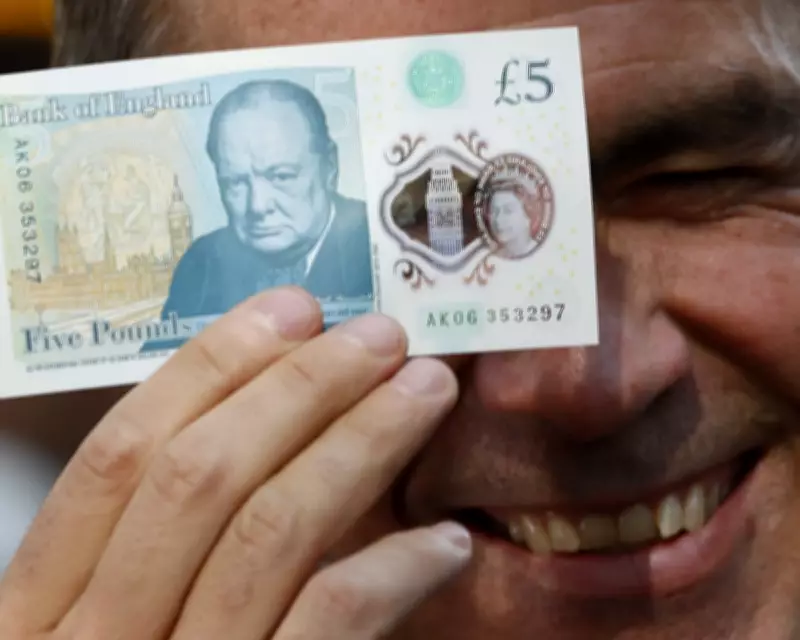
Bank of England's Wildlife Banknotes Ignite Fierce Culture War
The Bank of England has announced a groundbreaking shift in British banknote design, ending a half-century tradition of featuring historic notables. Instead, the next update will showcase patriotic British wildlife, selected through a public vote and expert panel, with the Bank's governor holding final approval to avoid potential embarrassments like "Goaty McGoatface." This move, supported by 60% of respondents in a recent consultation, prioritizes nature over architecture and landmarks at 56% and historic figures at a mere 38%.
Public Backing and Global Precedents
Despite the controversy, the initiative aligns with public sentiment and international trends. In 2024, the International Bank Note Society awarded its prestigious banknote of the year to Bermuda's $5 note, which features King Charles alongside marine life like blue marlin and dolphins. Even within the UK, Royal Bank of Scotland notes already include images such as mackerel, otters, and red squirrels, though their acceptance in southern England remains limited.
Political and Public Outcry
The proposal has sparked uproar among self-styled patriots. Nigel Farage expressed fury on social media, labeling the replacement of Winston Churchill with a beaver as "the definition of woke." Conservative MP Tom Tugendhat criticized the Bank for opting for "bland neutrality," while financial commentator Matthew Lynn decried the end of honoring "greatest Brits" as a travesty. However, concerns extend beyond the right; Liberal Democrat leader Ed Davey argued Churchill "deserves better than being replaced by a badger," and the BBC noted the Bank's likely aim to avoid backlash.
Avoiding Divisiveness in a Polarized Era
The Bank's guidelines explicitly avoid "divisive" imagery, reflecting a cautious approach amid ongoing culture wars, from the Rhodes Must Fall campaign to statue removals. This mirrors challenges in the US, where plans to replace Andrew Jackson with Harriet Tubman on the $20 bill have stalled due to similar controversies. With cash use declining to about 15% of payments, some argue the debate may be overblown, but symbols remain potent in shaping national identity.
Broader Implications and Missed Opportunities
Critics like social justice campaigner Prof Patrick Vernon warn that the shift sidelines efforts to feature diverse figures like Mary Seacole, sending a "troubling message" that the institution prefers wildlife over confronting Britain's multifaceted human history. The monarch's presence on banknotes, only since 1960, adds another layer to potential future disputes. Ultimately, this debate underscores the enduring significance of national symbols in an increasingly digital and divided society.




