
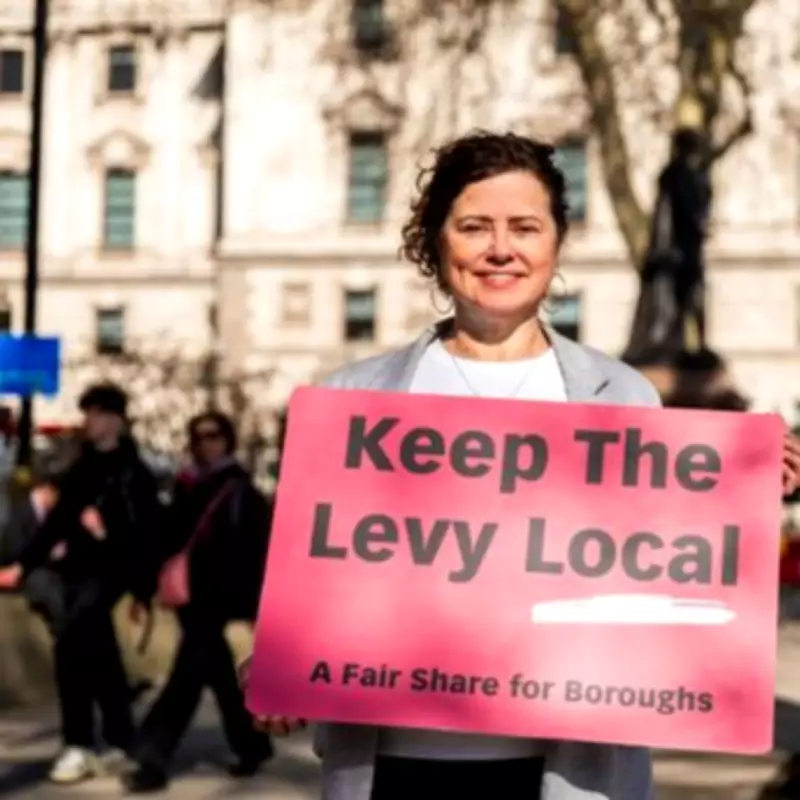
London Boroughs Demand 50% Share of Tourist Tax Revenue from Mayor Khan
London's local authorities have issued a clear directive to Mayor Sadiq Khan regarding the distribution of revenue from the forthcoming overnight tourist levy. London Councils, representing all 32 boroughs, insists that municipalities retaining half of all funds generated within their jurisdictions is essential for maintaining services in popular tourist destinations.
The Financial Burden of Tourism on Local Services
Claire Holland, Chair of London Councils, emphasized that boroughs bearing the substantial costs associated with tourism must receive corresponding financial benefits. She highlighted that councils in areas with major attractions provide extensive additional services including enhanced street cleaning, community safety teams, and public realm improvements.
"We have to draft in additional street cleaning, we work with businesses to deploy more community safety teams," Holland explained, referencing her experience as leader of Lambeth Council, which encompasses landmarks like the London Eye. "We need to be able to retain and recoup funding for the additional costs of those services."
The Proposed Revenue Distribution Framework
With Chancellor Rachel Reeves preparing to grant Mayor Khan and other civic leaders authority to implement the tourist tax through the English Devolution and Community Empowerment Bill, the specific allocation of anticipated £352 million annual revenue remains undetermined. The funds would be divided between the Greater London Authority and London's boroughs.
Holland proposes that while 50% should remain with local authorities, the remaining portion should support pan-London initiatives including transportation infrastructure and policing enhancements. These priorities would be collaboratively established by City Hall and borough representatives.
Securing Long-Term Financial Commitments
The London Councils Chair advocates for embedding the 50% revenue allocation directly into government legislation to prevent future mayoral administrations from altering the arrangement. "We also don't know what the future looks like after Sir Sadiq," Holland noted. "That's why it's even more important in London than anywhere else that the government backs our plan to keep the levy local."
Informal discussions regarding revenue distribution have already commenced between borough leaders and the Mayor's office. Holland expressed confidence in reaching a fair agreement, citing Khan's collaborative approach and commitment to working closely with local authorities.
Tourism's Substantial Impact on London
London welcomed over 20 million overnight visitors during 2024, representing nearly half of all overnight visits to the United Kingdom. This substantial tourist presence creates significant financial pressures on municipal services throughout the capital.
London Councils estimates that tourism-related expenses including waste management, park maintenance, and licensing requirements cost boroughs collectively more than £1.5 billion annually. The proposed tourist levy would help offset these substantial expenditures while generating sustainable revenue for reinvestment in London's economy.
Government Consultation and Future Implementation
A spokesperson for Mayor Khan confirmed that City Hall welcomes the new taxation powers and acknowledges London's role as the United Kingdom's primary international gateway. "Providing London with the powers to collect and retain a tourist levy would generate sustainable revenue to reinvest back into London's economy," the spokesperson stated.
The national government is currently consulting on the levy's design framework. Following this consultation period, City Hall will develop comprehensive implementation plans in collaboration with local authorities and tourism industry representatives to maximize benefits for the entire capital region.




