
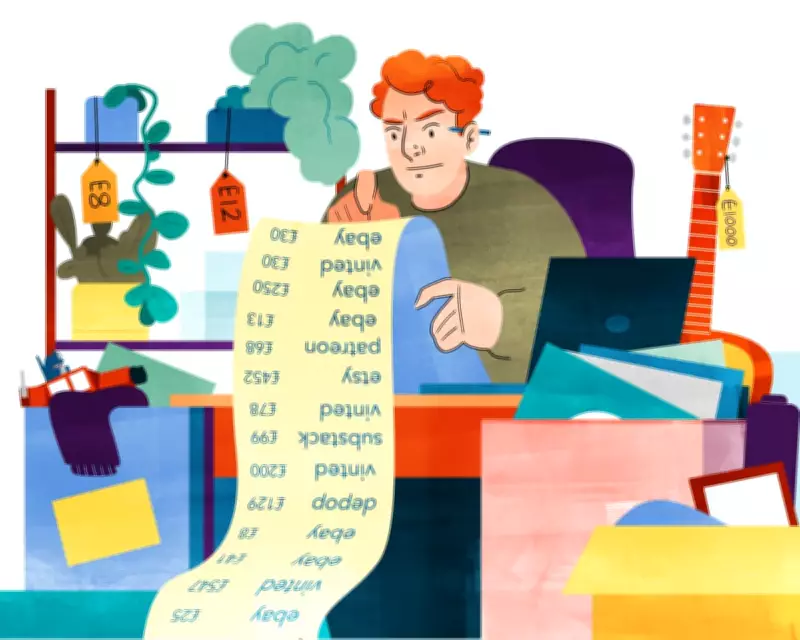
HMRC Targets Side Hustles: New Tax Rules for Online Sellers and Freelancers
Since the start of 2024, online sales platforms such as Vinted, eBay, and Airbnb have been mandated to share user data with HM Revenue and Customs (HMRC). This requirement applies to individuals who sell more than 30 items per year or earn over approximately £1,700 annually, with the threshold set at €2,000. However, this data sharing does not automatically imply that these users owe additional income tax. It is crucial for anyone engaged in side hustles to understand their potential tax liabilities or the need to provide documentation proving no tax is due.
Understanding Your Tax Position
If you are selling old clothes or other personal belongings, these transactions are classified as personal possessions. You can sell as many of these items as you like without incurring income tax. The only exception is if an item sells for more than £6,000; in such cases, you must declare this to HMRC and may be liable for capital gains tax on any profit. In contrast, profits from trading activities, rental payments, and freelance work are included in your income tax calculations. This encompasses earnings from jobs like tutoring, dog-walking, babysitting, or renting out equipment, whether done casually or regularly.
Tax matters can be time-consuming and frustrating, so it is essential to have all your paperwork organized and ready. This rule extends beyond online platforms; profits from running a market stall are subject to the same regulations, though you must track these figures independently.
Distinguishing Between Trading and Selling
Lee Murphy, managing director at The Accountancy Partnership, explains that determining whether you are selling personal possessions or trading can be straightforward. Key questions to consider include: Are you purchasing items specifically to resell for profit? Are you selling regularly and systematically? Are you buying items, refurbishing them, and then selling them? These inquiries relate to the "badges of trade." Answering yes to any suggests you might be viewed as trading goods.
Additional factors include the duration of ownership before sale—did you buy and sell quickly for profit?—and whether you took out a loan to acquire the item sold. These considerations help clarify your tax status.
Utilizing Tax-Free Allowances
Every individual in the UK benefits from a £1,000 tax-free trading allowance each year. If your side income falls below this amount, no declaration to HMRC is necessary. For property rentals, a tax-free property allowance of up to £1,000 per year applies. Lodgers under the Rent a Room scheme can earn £7,500 annually tax-free. The Gov.uk website offers a questionnaire to assist in determining if you need to report extra income to HMRC.
Preparing for Self-Assessment
If your additional earnings exceed £1,000, the surplus is added to your overall income and taxed according to the relevant income tax band. The government has announced that self-assessment rules will change in 2029, introducing a new online service for declaring income below £3,000 annually. Until then, you must register for self-assessment online to report extra earnings. This process involves applying for a unique taxpayer reference (UTR), which typically takes about two weeks to arrive by post. Once obtained, you can register, log in, and file your tax return for the applicable year.
Maintaining Accurate Records
Research by Monzo indicates that UK individuals with side hustles earn an average of £470 monthly or £5,640 yearly, well above the £1,000 allowance. Keeping detailed records of earnings and related expenses is vital for calculating tax liabilities. For online sales, retain receipts to prove items are personal possessions, especially for expensive goods that might exceed sales limits. Online platforms store transaction histories, which you can download for your records. For in-person sales, use a paper receipt book to track transactions.
Claiming Deductible Expenses
Costs incurred from side work are tax-deductible. This includes software for online content creation, tools for crafting goods, platform fees for online trading, and a portion of energy and wifi bills if renting property on Airbnb or working from home. Landlords can deduct expenses like repair costs or insurance. Tracking these expenses can significantly reduce your tax bill.
Responding to HMRC Communications
Receiving a letter from HMRC can be daunting, but it is important to review it carefully and respond appropriately. Murphy notes that most letters request additional information or clarification. Check the tax year, deadlines, and gather relevant records such as sales history, bank statements, and platform statements. Avoid contacting HMRC until you have the necessary information, but do not miss the deadline, typically 30 or 60 days. Ignoring letters can lead to severe fines.
If contacted about expensive secondhand sales without receipts, do not panic. Provide bank statements showing purchase dates or photos of you using the items as evidence.
Proactive Tax Management
If you unexpectedly owe taxes and lack savings, contact HMRC promptly. Murphy emphasizes that HMRC is more flexible with proactive communication. You can arrange a "Time to Pay" plan, spreading payments into manageable monthly instalments with interest, which is preferable to facing fines.




